Image
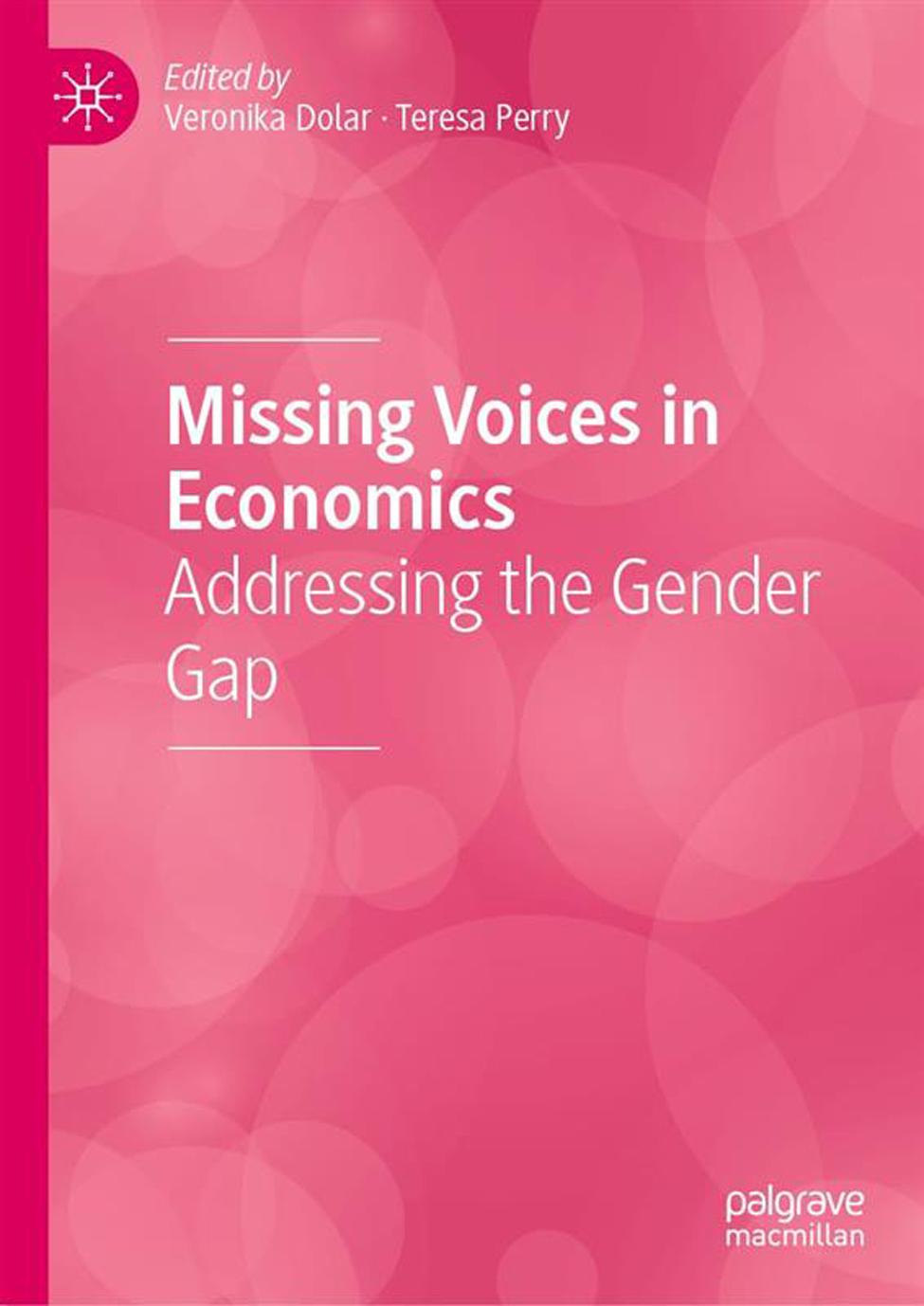

What is the central theme of your book?
The central theme of Missing Voices in Economics is the persistent exclusion and underrepresentation of women within the economics profession. The book examines how structural barriers continue to limit women’s presence and advancement in the discipline, how gender has been sidelined in economic theory and models, and how women’s contributions to economic thought have been overlooked.
What inspired you to write this book?
The book was inspired by both academic research and personal experience. After writing a public-facing article on the gender gap in economics, I received an overwhelming response from women around the world who shared deeply similar experiences of exclusion, dismissal, and self-doubt. These stories, combined with mounting empirical evidence, made it clear that these were not isolated incidents but systemic problems that needed to be documented, discussed, and addressed collectively.
Why is this book important in your field? What does it contribute to the current body of knowledge on this topic?
This book is important because it brings together three strands that are often treated separately: gender bias in economic models, the neglected intellectual contributions of women economists, and the ongoing underrepresentation of women in the profession. By integrating these perspectives, the book demonstrates how exclusion shapes not only careers but also the content, creativity, and policy relevance of economics itself. It contributes a structural, historically informed, and international perspective to ongoing debates about diversity and inclusion in the discipline.
Were students involved in any research related to your book?
While our Pace students were not directly involved in the research for this book, I actively incorporated the book’s themes into student-facing academic activities. I organized an invited talk by Marlene Kim (one of the book’s contributing authors) on the topic of Women in Economics for the Women in Economics student association on September 16, 2024. In addition, I regularly draw on the research and insights from the book in my course Economics of Gender, Race, and Class, integrating its findings into classroom discussion and analysis.
Tell me about a particularly special moment in writing this book.
One particularly meaningful moment was receiving an email from a PhD student who described feeling validated for the first time after reading my work. She had previously been told by faculty that gender and race played no role in academic outcomes, despite her lived experience suggesting otherwise. That moment crystallized why this book needed to exist—not only as scholarship, but as a source of recognition and solidarity for those who are often told their experiences are invisible or irrelevant.
What is the one thing you hope readers take away from your book?
I hope readers come away understanding that diversity in economics is not about representation for its own sake, but it is essential for better research, better policy, and a more accurate understanding of the world. Excluding voices narrows the scope of economic inquiry; including them strengthens the discipline intellectually and ethically.
Is there anything else you would like to share about your book?
While the book centers on women in economics, it also explicitly acknowledges the exclusion of other marginalized groups, including scholars of color, LGBTQ+ economists, and those from lower socioeconomic backgrounds. The book is intended not as an endpoint, but as part of a broader and ongoing conversation about how economics must evolve to become a more inclusive and relevant discipline.
What other books have you published?
I am a co-author of ECON Micro and ECON Macro (Cengage), widely used introductory textbooks that integrate empirical evidence and critical perspectives into standard economic theory. I am also currently working on a forthcoming book focused on economic inequality.
When did you join Dyson College?
I joined the Dyson College of Arts and Sciences in January 2024.
What motivates you as a teacher?
I am motivated by helping students see economics as a tool for understanding real-world inequality, power structures, and policy choices—rather than as a purely abstract or technical discipline.
What do you do in your spare time; to relax/unwind?
In my spare time, I enjoy biking and bikepacking, and I’ve done several long-distance trips, including rides in Portugal and Spain as well as a multi-country trip from Italy through Austria, Slovenia, Hungary, Croatia, and Serbia. I also love going to live music events, which I find a great way to relax and recharge.
What are you reading right now?
Right now, I’m reading Robert Frank’s Success and Luck. I’m especially drawn to how it challenges the idea that outcomes are driven solely by effort or merit and instead highlights the role of chance, social context, and institutions—ideas that strongly resonate with my teaching and research on inequality, opportunity, and how we interpret economic success.