
Dyson College of Arts and Sciences News
Featured Stories

-
-
 AnnouncementsSeptember 22, 2026
 -
In The Media


Latest News

Faculty and Staff
From studying disease at the molecular level to exploring the ecosystems in our own backyards, two Pace University professors are helping undergraduate students turn curiosity into meaningful research. Meet the 2026 Faculty Undergraduate Research Mentor Award recipients.
October 16, 2026
Faculty and Staff
How much freedom are we willing to sacrifice in the name of security? As facial recognition and AI-powered surveillance expand worldwide, Political Science Professor and Chair Amy Freedman, PhD, examines what the rise of digital monitoring in Southeast Asia reveals about democracy, individual rights, and the growing power of governments to watch and control their citizens.
October 12, 2026

Faculty and Staff
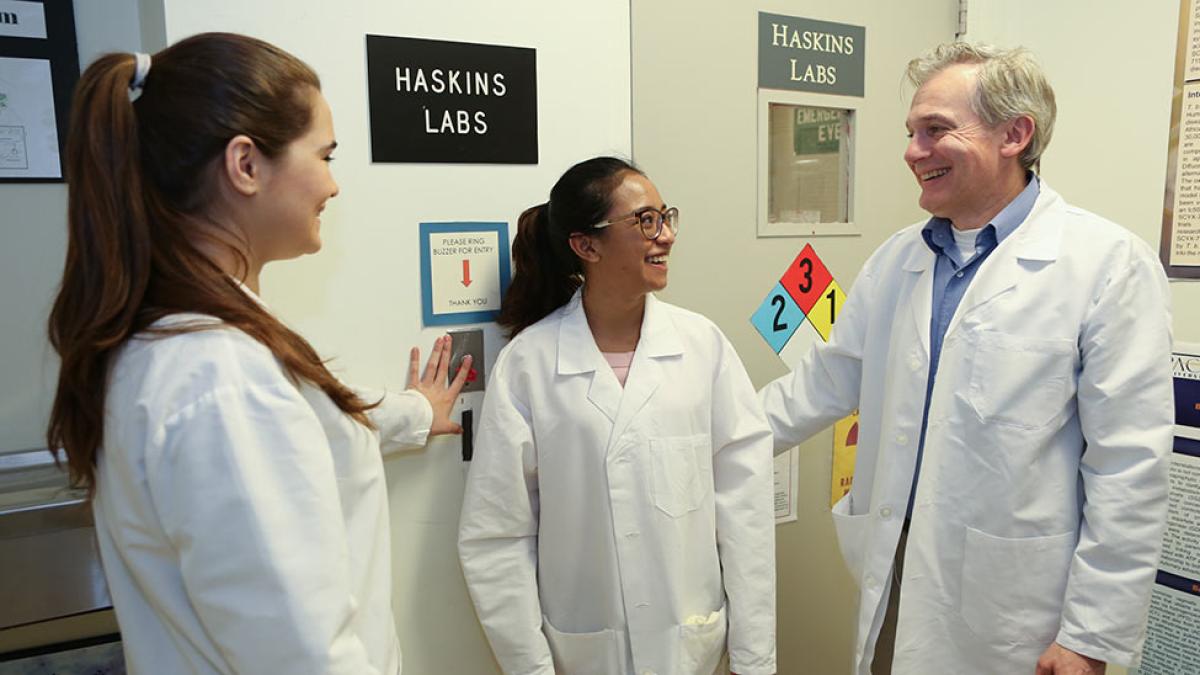
Decades of research at Pace’s Haskins Labs helped pave the way for a lifesaving treatment for sleeping sickness with far-reaching global impact.
October 1, 2026

Students
Fall is here, and there are a few important financial aid updates to keep on your radar. From filing your 2027–2028 FAFSA to understanding new federal student loan rules, here’s what undergraduate students and families need to know.
September 29, 2026

Students
Your Commencement isn’t just about walking the stage—it’s about celebrating the people and values that got you here. That’s why we want the Class of 2027 to help choose our Commencement speaker. Think of someone whose story will light up the room, inspire your classmates, and leave a lasting mark. Ready? Nominate now.
September 22, 2026

Announcements
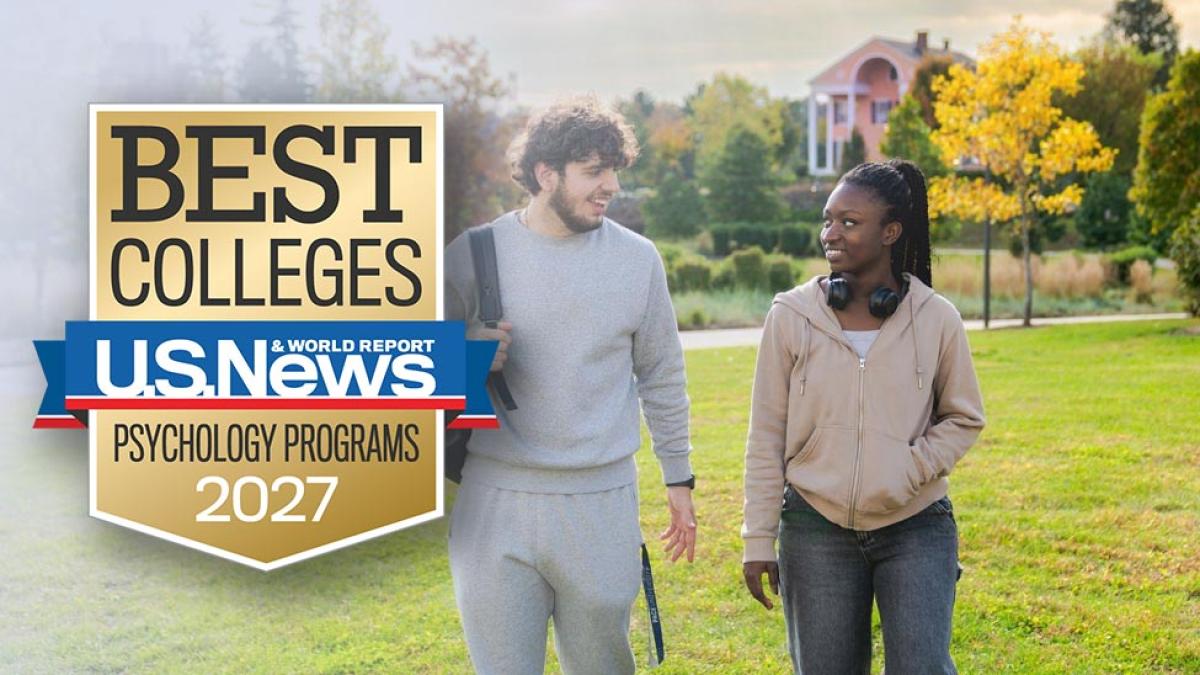
Pace University’s undergraduate psychology program jumped 34 spots in the latest U.S. News & World Report rankings, building momentum for a STEM-designated program rooted in research, critical thinking, and real-world experience.
September 22, 2026

Faculty and Staff
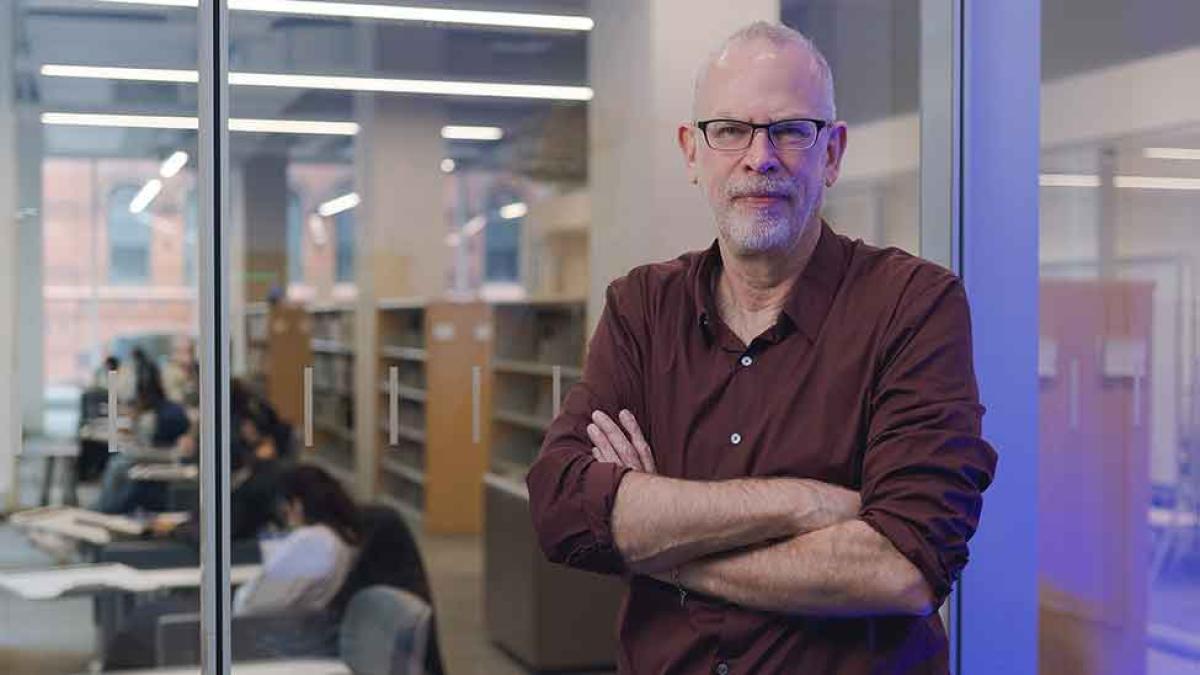
In the murky world of business, a company’s call for regulation and developmental slowdown may be less about humanity and more about self-interest, says Pace University ethics expert James Brusseau.
September 18, 2026

Academics and Programs
Explore the careers, skills, experiences, and opportunities that come with studying Women’s and Gender Studies at Pace University in New York City.
September 9, 2026

Faculty and Staff
Curated by the Pace University 9/11 Oral History Project, this timeline offers a contemporary account of how September 11, 2001, unfolded at Pace and how the University community responded in the hours, days, and weeks that followed.
September 1, 2026

Students
Questions about registration, financial aid, or student accounts? The Pop-Up Student Solutions Centers are your go-to resource as we kick off the Fall 2026 semester. No appointments, no stress—just the answers you need to keep moving forward.
August 26, 2026