Image
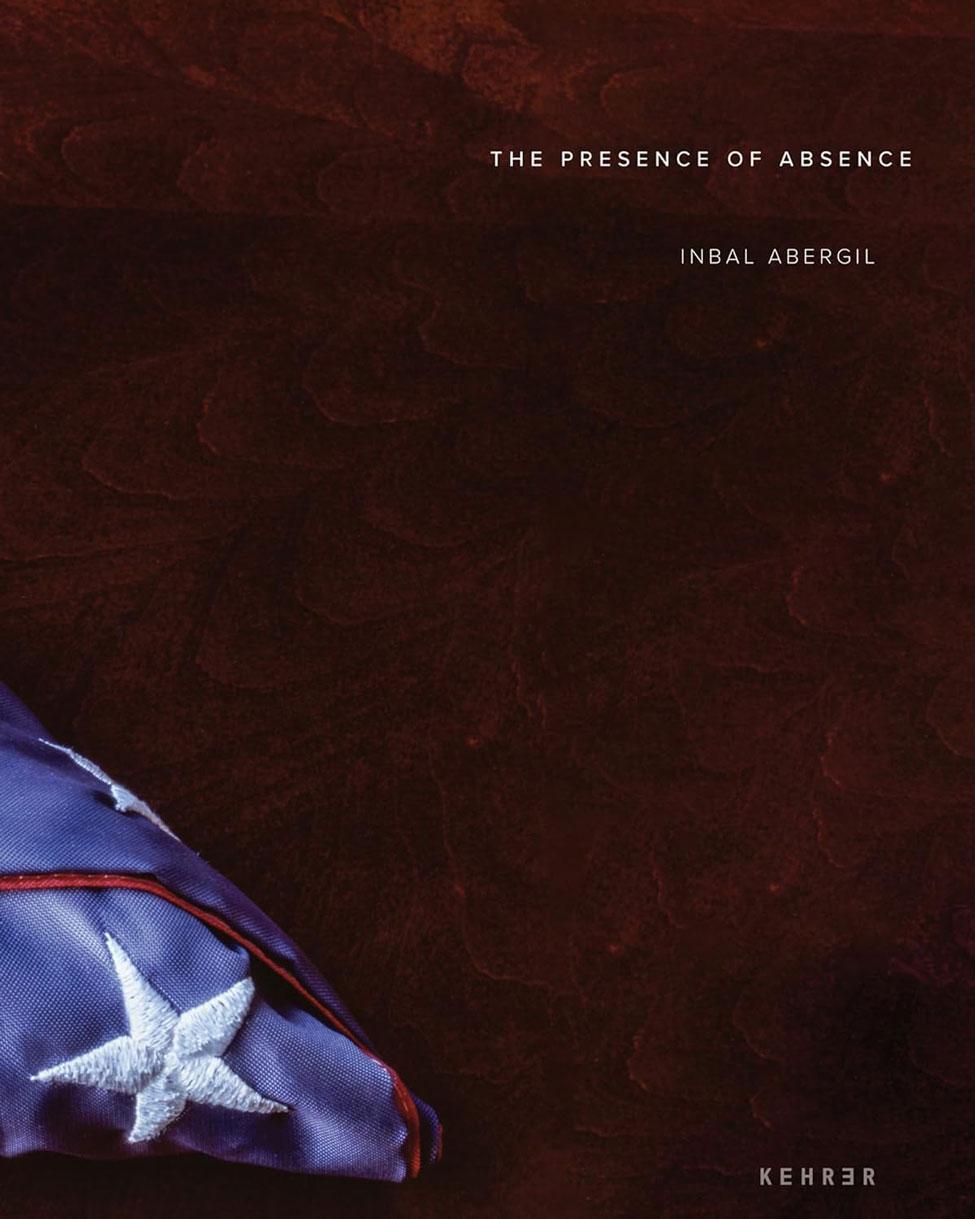

What is the central theme of your book?
The Presence of Absence is a decade-long documentary photography and video project that explores trauma, loss, grief, and healing in the aftermath of war. It weaves together the stories of Gold Star Families, still lifes of personal belongings left behind, and portraits of the Casualty Notification Officers who deliver the news of loss. Through images and video, the book reflects on how memory, objects, and human connection help survivors carry absence while continuing to live.
What inspired you to write this book?
My focus on the human cost of war comes from a desire to create space for reflection, because without reflection, healing is nearly impossible. We live in a time when conflict passes quickly across the news cycle, leaving many carrying unresolved grief. My work invites a pause and asks us to listen—because listening itself can be an act of care. The project brings together Gold Star Families, Casualty Notification Officers, veterans, and the broader public to consider how we continue living beyond the war zone while allowing space for grief, remembrance, and healing.
Why is this book important in your field? What does it contribute to the current body of knowledge on this topic?
This work offers a rare, in-depth visual and narrative exploration of grief, loss, and healing after war. By including both Gold Star Families and Casualty Notification Officers, the book highlights the interconnectedness of these experiences and provides insights into the emotional landscapes of those directly impacted by conflict. It contributes to documentary photography and visual storytelling by centering empathy, reflection, and ethical engagement with human suffering, offering both scholars and the public a deeper understanding of the ongoing consequences of war.
Tell me about a particularly special moment in writing this book.
One particularly meaningful moment was bringing together the three bodies of work—families, notifiers and mothers—and seeing how their stories spoke to one another. Meeting Gold Star mothers and hearing their reflections compelled me to meet with the Casualty Notification Officers. Ending the book with the voices of four Gold Star mothers was especially important; their reflections move between despair and hope, confusion and clarity, offering a lived wisdom that is uncompromising yet compassionate.
What is the one thing you hope readers take away from your book?
I hope readers come away with a deeper awareness of grief and resilience and an understanding that bearing witness, listening, and creating space for reflection are essential acts of care. While the work is grounded in the specific experiences of Gold Star Families, its lessons on loss, connection, and healing are universal.
Is there anything else you would like to share about your book?
This work has profoundly shaped me. The emotional impact of engaging with families and notifiers has been ongoing and transformative. Their strength, vulnerability, and generosity continue to teach me about the true human cost of conflict, the nature of grief, and the possibilities for resilience and healing.
What other books have you published?
N.O.K. – Next of Kin, 2017, Daylight Publications
When did you join Dyson College?
Fall 2011
What motivates you as a teacher?
Art provides me with a way to support students in navigating the complexities of life. I am deeply committed to sharing my own experiences in artmaking, guiding students to cultivate a creative voice that grows naturally from their own perspectives and experiences. A core part of my teaching is connecting students with real-world, meaningful stories that encourage reflection, empathy, and critical thinking. It is incredibly rewarding to witness students gain confidence, recognize their potential, and understand that they are capable of achieving anything they set their minds to.
What do you do in your spare time; to relax/unwind?
Spending time with my family, visiting museums and gallery shows, and traveling.
What are you reading right now?
War Diary by Yevgenia Belorusets and The Wild Edge of Sorrow by Francis Weller