Image
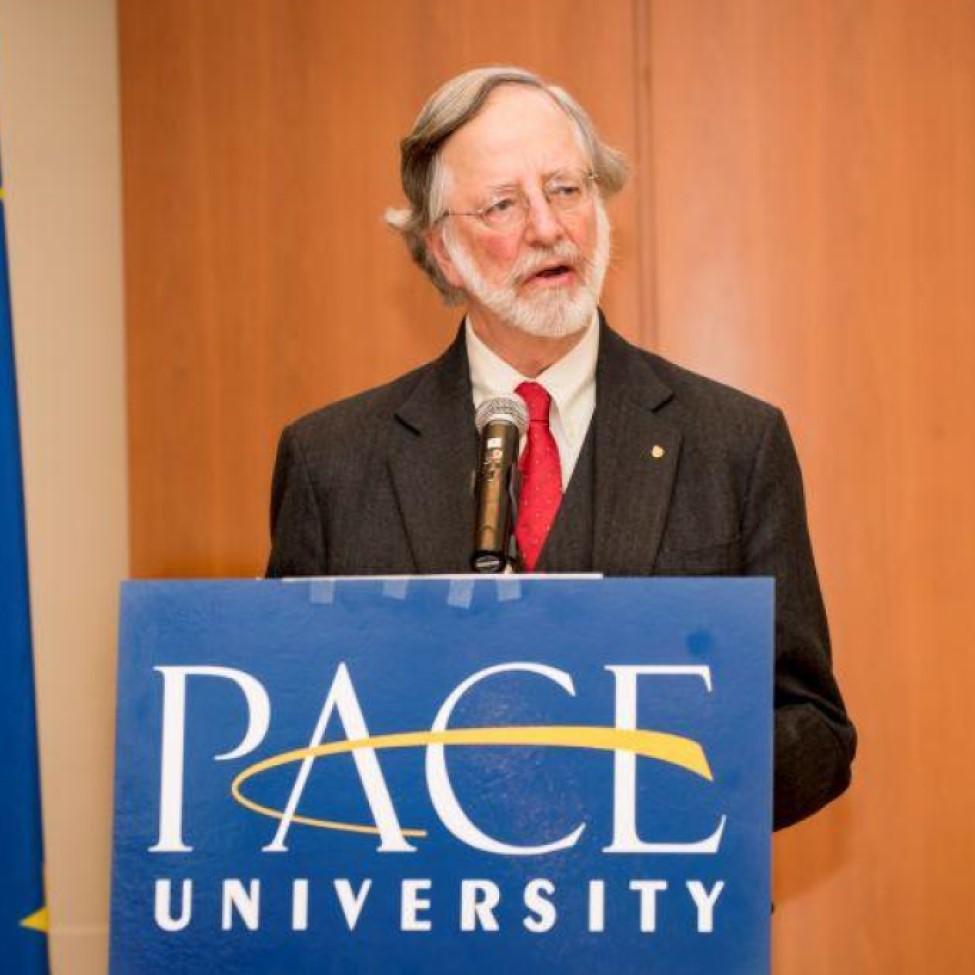
The Elisabeth Haub School of Law at Pace University today announced that the 2019 Elisabeth Haub Award for Environmental Law and Diplomacy will be awarded in memoriam to Environmental Defenders who have lost their lives defending their land and the environment from the destructive practices of mining, logging and agribusiness industries, among others. This is the first time the Award has been given to a group, rather than an individual. The award will be given in memoriam at a ceremony in New York City in the spring of 2020.
“The Elisabeth Haub School of Law is proud that our top ranked environmental law program trains lawyers to understand the intersection between human rights, the environment and the law,” said Horace Anderson, Dean and Professor of Law at Haub Law. “We are honored this year to shine a light on those who have lost their lives defending their land and the environment.”
In 2018, Global Witness documented 164 killings of land and environmental defenders. Countless more were silenced through violent attacks, arrests, death threats or retaliatory law suits against public participation. Increasingly, laws and policies are being adopted that are likely to make it harder for citizens to take a stand against destructive projects by increasing the associated risks.
According to Global Witness, there has been an escalation of killings of defenders struggling for the protection of water, land and other natural resources, with an average of three killings a week in 2018. Many of those killed in the past year were from the Global South. Thirty environmental defenders were killed in the Philippines alone, and more than half of all murders took place in Latin America. The world over, indigenous peoples bear the brunt of these killings and other attacks.
In response to escalating violence, the United Nations Environment Programme (UNEP) has adopted a Promoting Greater Protection for Environmental Defenders Policy. The Policy states that UNEP will denounce attacks against environmental defenders, advocate for better protection of environmental rights and the people standing up for these rights, and push for greater state and corporate accountability where environmental defenders have been murdered.
“To protect environmental defenders we need to strengthen environmental rule of law around the globe and break unsustainable consumption patterns that fuel violations of human rights,” said Interim Associate Dean & Executive Director, Environmental Law Programs and Haub Distinguished Professor of Environmental Law Katy Kuh. “We are indebted to environmental defenders and they deserve our recognition and support.”
“The Elisabeth Haub Award for Environmental Law and Diplomacy recognizes the innovation, skill, and accomplishments of lawyers, diplomats, international civil servants and other advocates who work to create the world environmental order,” said Pace University Trustee Liliane A. Haub. “It is our hope that by honoring environmental defenders with this Award we are making a statement in support of those individuals and communities who are fighting and dying to create a more sustainable planet.”
The followed esteemed panel of individuals comprise the Jury for the 2019–2020 Elisabeth Haub Award for Environmental Law and Diplomacy:

As the Pace Women’s Justice Center marks 35 years of advocacy, Executive Director Cindy Kanusher, JD, examines the legal obstacles facing survivors, the shortcomings of the justice system, and what it takes to help thousands of people find a path forward.

Professor Emily Gold Waldman has been awarded the 2026 Goettel Prize for Faculty Scholarship.

Haub Law launches the Environmental Law Fifty Fund to support innovative research, scholarship, and collaboration among junior environmental law scholars.