

Pace University News
Pace Now

-
-
 AnnouncementsSeptember 22, 2026
 -
 AnnouncementsSeptember 22, 2026
Top Media Mentions


Latest News
Faculty and Staff
Professor Emily Gold Waldman has been awarded the 2026 Goettel Prize for Faculty Scholarship.
October 1, 2026

Faculty and Staff
Decades of research at Pace’s Haskins Labs helped pave the way for a lifesaving treatment for sleeping sickness with far-reaching global impact.
October 1, 2026

Students
Fall is here, and there are a few important financial aid updates to keep on your radar. From filing your 2027–2028 FAFSA to understanding new federal student loan rules, here’s what Haub Law students need to know.
September 29, 2026

Students
Fall is here, and there are a few important financial aid updates to keep on your radar. From filing your 2027–2028 FAFSA to understanding new federal student loan rules, here’s what undergraduate students and families need to know.
September 29, 2026

Students
Discover how Pace student Tyler Yeung co-founded Averent to help indie game developers connect with audiences and improve game discovery.
September 25, 2026

Announcements
Haub Law launches the Environmental Law Fifty Fund to support innovative research, scholarship, and collaboration among junior environmental law scholars.
September 23, 2026
Faculty and Staff
At Pace University’s Lubin School of Business, Jolina Halloran, EdD, is bringing together more than a decade of higher education experience, emerging scholarship, and a deeply personal commitment to advocacy to help shape a more thoughtful approach to academic advising.
September 23, 2026

Faculty and Staff
Pace’s Break the Pattern with AI event explored how women in tech can use AI thoughtfully to challenge familiar ways of thinking and creating.
September 22, 2026

Students
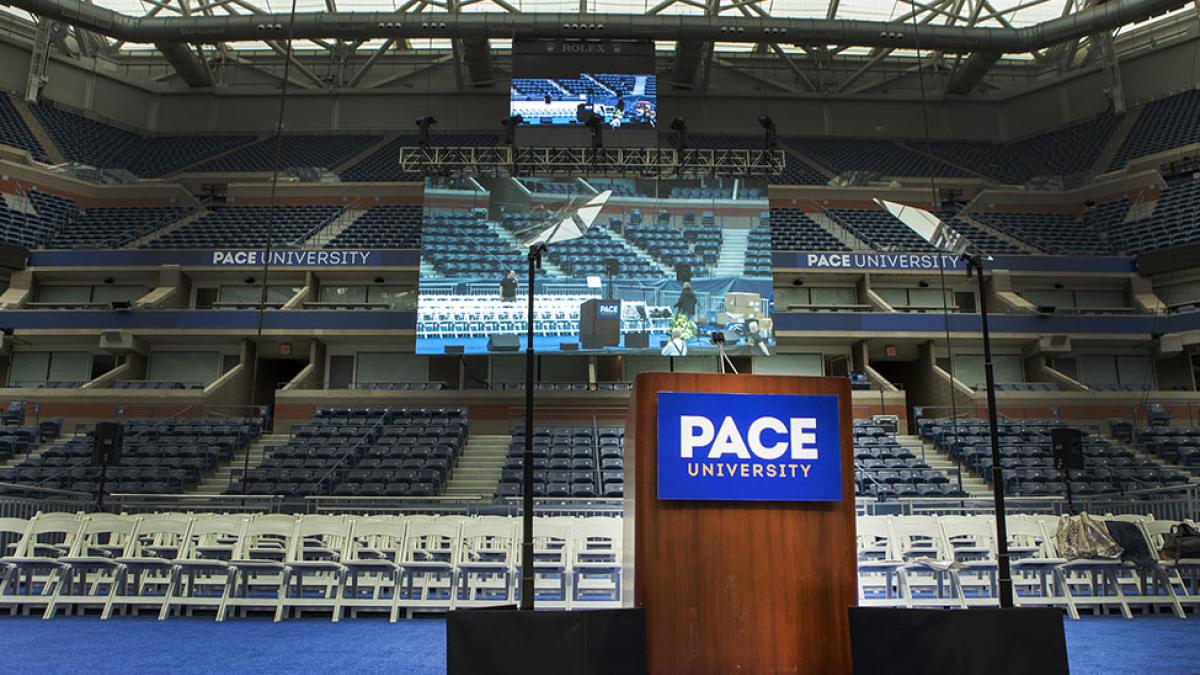
Your Commencement isn’t just about walking the stage—it’s about celebrating the people and values that got you here. That’s why we want the Class of 2027 to help choose our Commencement speaker. Think of someone whose story will light up the room, inspire your classmates, and leave a lasting mark. Ready? Nominate now.
September 22, 2026

Announcements
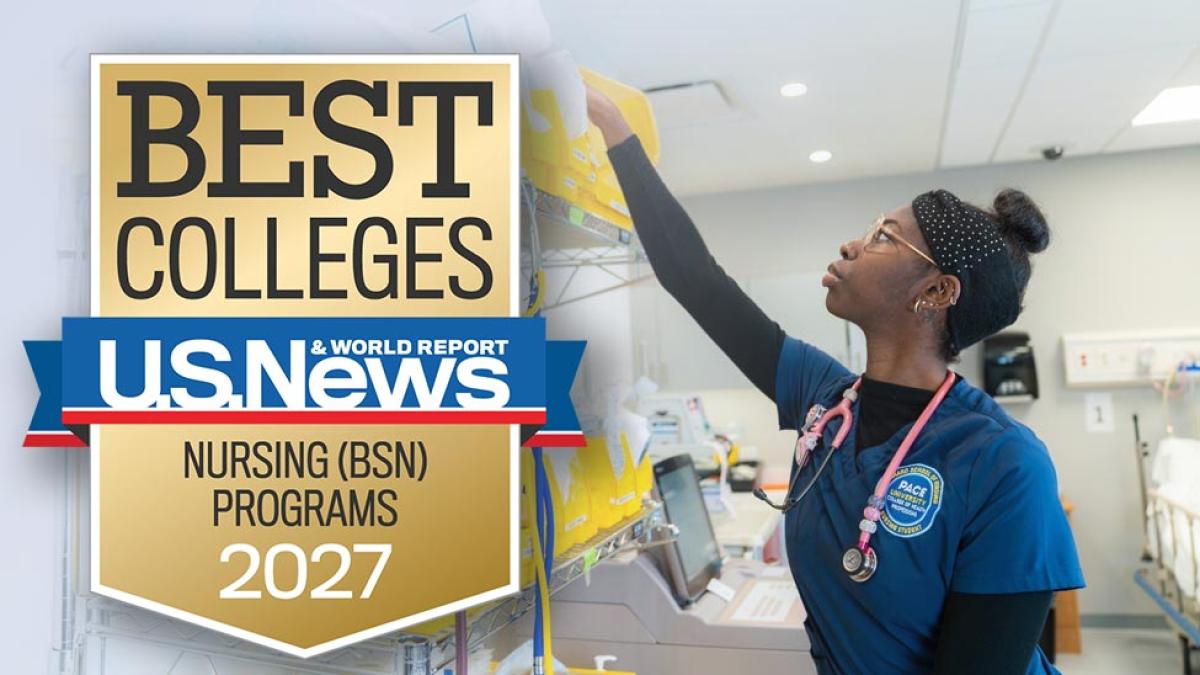
Pace University’s undergraduate nursing program climbed 25 spots to #135 nationally in the latest U.S. News & World Report rankings, highlighting the strength of a program built around clinical experience, hands-on learning, and career preparation.
September 22, 2026