Image
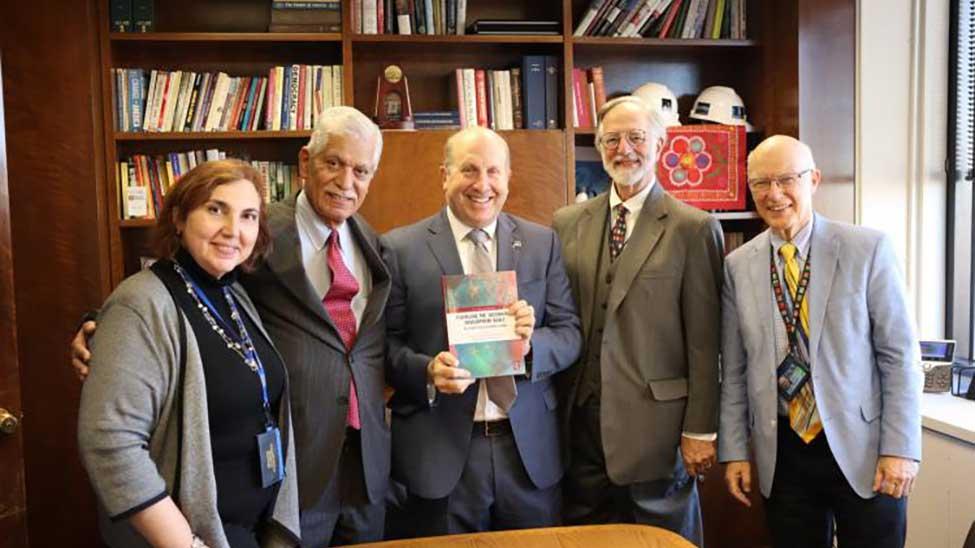
Elisabeth Haub School of Law Professors Narinder Kakar and Nicholas Robinson, along with Dr. Vesselin Popovski, Jindal University, recently published a book that they co-authored together titled, Fulfilling the Sustainable Development Goals: On a Quest for a Sustainable World. They came together, along with contributing authors Professors Joseph Morreale and Anna Shostya, and Pace University President Marvin Krislov to discuss the book in the timely context of the recent COP26 climate change conference.
As noted by the publisher, the book “contains assessment of the progress, or the lack of it, in implementing the UN Sustainable Development Goals (SDGs). Through review of the assessments and of case studies, readers can draw lessons from the actions that could work to positively address the goals.”
“Sustainable development is not just for environmental protection. It is development that meets the needs of the present without compromising the ability of future generations to meet their needs. And it has three dimensions which we sometimes ignore – environmental protection, economic growth and industrialization and, thirdly, social equity,” said Professor Kakar, who conceived and directed the study on implementing the Sustainable Development Goals.
“This publication is seen as an important international study on how to implement the UN Sustainable Development Goals (SDGs); it covers the impacts of Covid-19, and is the first such book to lay out specific steps to fulfill the SDGs by their 2030 deadline,” said Professor Robinson.
The book was particularly challenging to develop during the onset of the pandemic, requiring much additional analysis and resulting in delays, Professor Kakar noted. “For every one of the 35 chapters, ranging from poverty, to hunger, to health, to oceans, to climate change, to industrialization, we had to go back to all the authors to build in a section to assess the impact of Covid-19 on that particular goal and what to do to overcome that obstacle.”
Following two weeks of intense negotiations at the COP26 conference in Glasgow, world leaders signed off on a new climate change agreement that will leave many countries seeking guidance and solutions on how to meet the imposed 2030 deadline.
“Many of the countries don't have a strategic cockpit or headquarters for the SDGs. They're still 17 distinct areas and they're somewhat still in their silos and someone has to integrate them. And so, what we've done with this book is give them the blueprint for integrating how the SDGs can be mutually reinforcing. You can't move ahead with these solutions without each of the 17 SDGs being mobilized, because if you miss one link in the chain, you don't have a chain. The chain is broken. So, I think this book is a tremendous and positive contribution toward the goal of 2030.”
Narinder Kakar is the Distinguished Senior Fellow at the Global Center for Environmental Legal Studies, Elisabeth Haub School of Law, and Permanent Observer to the UN for the University of Peace, Costa Rica. Nicholas Robinson is a founder of Haub Law’s environmental programs and holds the title of University Professor on the Environment from Pace University, he is also the Gilbert and Sarah Kerlin Distinguished Professor of Environmental Law Emeritus. Dr. Vesselin Popovski is Professor and Vice Dean and Executive Director at the Center for the Study of United Nations, Jindal Global Law School, Sonipat, India. Several Pace faculty members, prior visiting professors, and alumni author chapters within the publication, including Smita Narula, Richard L. Ottinger, Joseph Morreale, Anna Shostya, Hiroko Muraki Gottlieb, and Ben Boer.
H.E. Ms. Amina J. Mohammed, Deputy Secretary-General of the United Nations provided a Special Introduction to the book, in which she commends the Global Center for Environmental Legal Studies of the Elisabeth Haub School of Law at Pace University for its focus on implementation of the Sustainable Development Goals and for producing this vital and timely resource.

The Elisabeth Haub School of Law is proud to announce that the 2026 Elisabeth Haub Award for Environmental Law and Diplomacy will be jointly awarded to environmental lawyers Alfred Lahai Gbabai Brownell Sr. and Durwood Zaelke for their groundbreaking contributions to the progressive development of environmental law and their decades of leadership advancing environmental justice, climate action, and environmental governance around the world.

The Elisabeth Haub School of Law at Pace University is pleased to announce that Suffolk County District Attorney Raymond A. Tierney has been selected as the recipient of the 2026 Robert S. Tucker Prize for Prosecutorial Excellence.
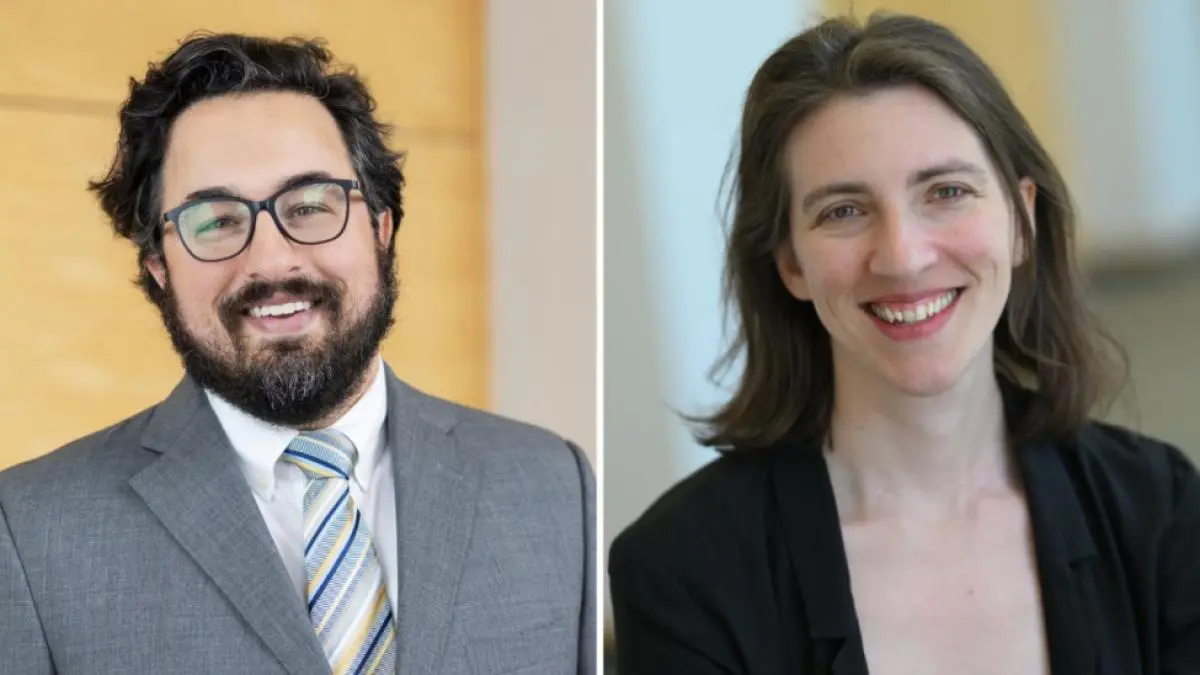
The Elisabeth Haub School of Law at Pace University is pleased to announce the appointments of Professor Margot J. Pollans as Associate Dean of Faculty Development and Professor Josh Galperin as Associate Dean of the Environmental Law Program, further strengthening the Law School's academic leadership.