Image
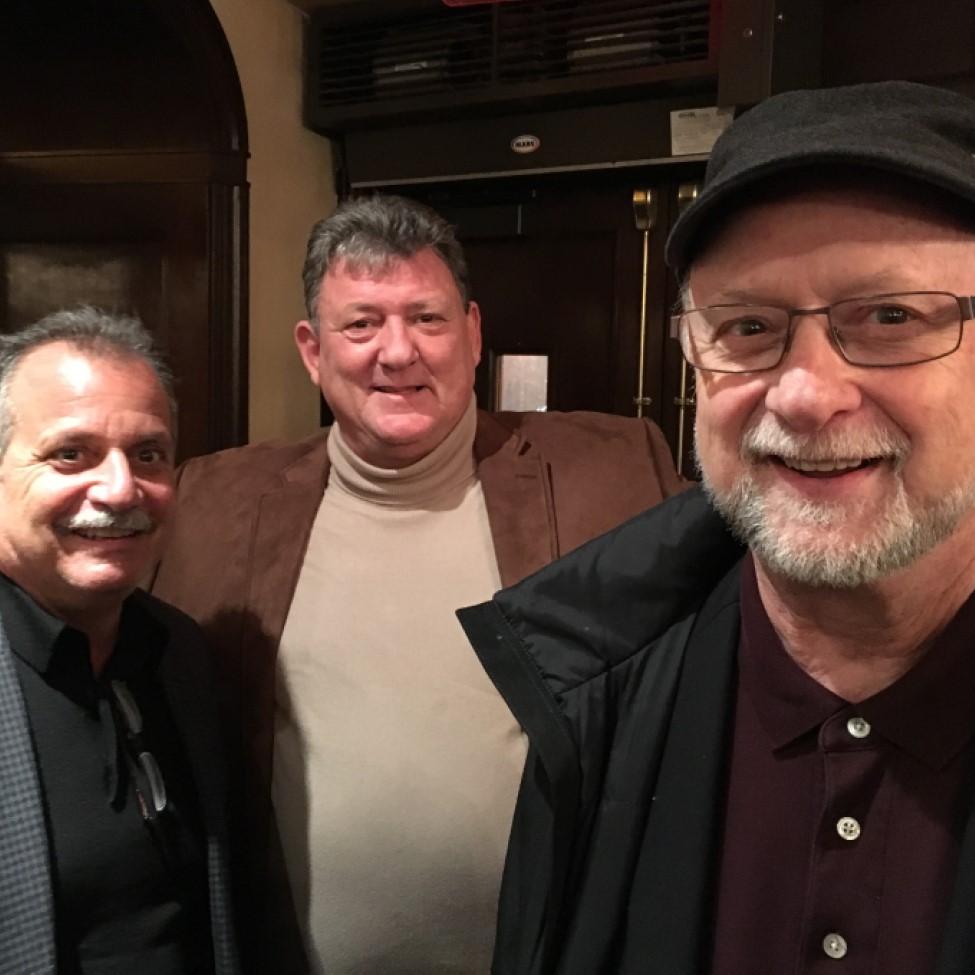

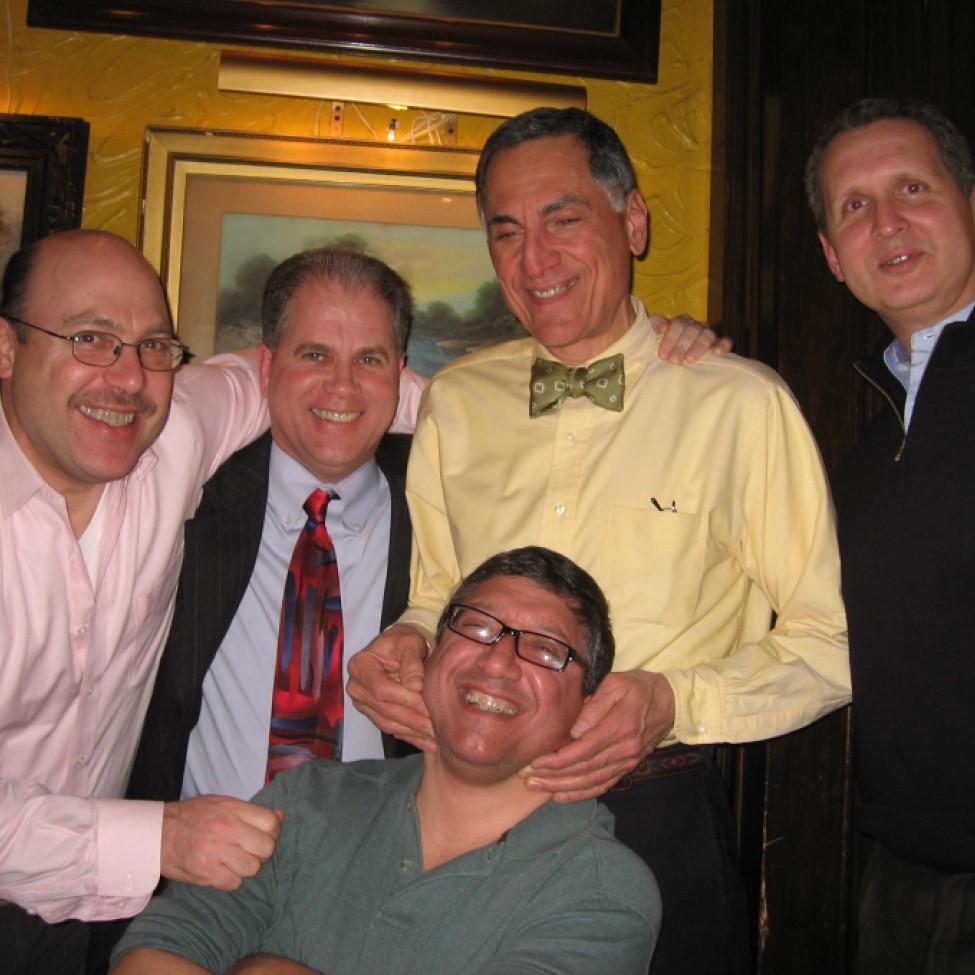
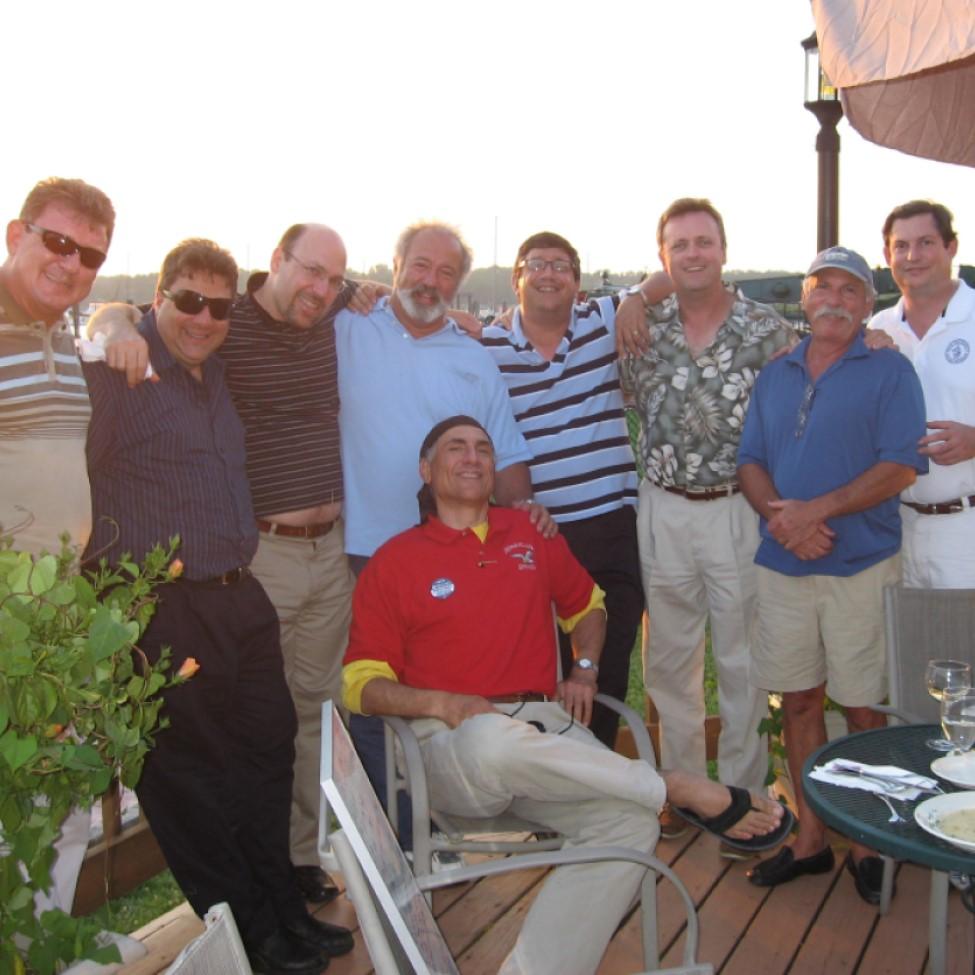
We all remember our time at law school – the courses, the professors, learning the law behind the infamous rule against perpetuities, the study groups, and the friendships made through it all. In 1986, a group of 11 law students formed a bond during their 1L year that has lasted long past their law school graduation. During their law school tenure, this close-knit group studied hard together, but also made plenty of time for fun. Since graduating in 1990, the group has made it a point to get together twice a year regularly. Most recently, the close-knit group, along with Haub Law Dean Horace Anderson and Professor Emeritus Jay Carlisle, gathered over the summer in Hastings-On-Hudson. We sat down for a Q&A with two core members of the group, Eric Ploumis and John Rand, to learn more about the self-proclaimed “Back Seat Boyz.”
Let’s dive right in – who are the official members of the “Back Seat Boyz” and how did the group come to be?
We started with Alan Clement, Greg Mayer, Bill McDonald, Frank Napoli, Paul Neugebauer, Ray Nicotera, Jim Pascalicchio, Eric Ploumis, John Rand, Tony Roccamo, Judge Kevin Russo. We do invite other classmates and professors to join us at some of our events. We were all strivers who went to what was then known as Pace Law to better ourselves, but we knew how to have fun while working hard. Somehow, we all ended up sitting in the back two rows of any classroom where seats were not assigned. We all tended to gravitate to these back two rows under the mistaken belief that we wouldn’t be called on during class. Often, after a particularly tough class or tough week, we would convene at a local pub to blow off steam. We were all working full time at demanding jobs, putting in 18-hour days between work and school, but we always made time to have fun. During exam weeks we would often get together on the weekend at one of the crew’s offices to prepare and study for the upcoming exam.
I have heard rumors of honorary members of your group.
He may not want to admit being associated with us, but we consider Professor Carlisle an honorary member. He frequently attends our dinners as our honored guest. At a recent dinner, Dean Horace Anderson joined us. Dean Anderson is still on probation and doesn’t come up for a vote until his third event with us.
Since graduation, how often does the group meet?
Officially as our full group, we meet twice a year, once in the winter for a steak dinner, once in the summer for a seafood extravaganza. We are all very comfortable with each other, confident in the brotherhood the years have created. It is not unusual for a member of the group to float a question or ask for advice. Each of us has a different specialty and knowledge base. We share each other’s happy times and console each other in sad times.
I suspect that this article may elicit some future “Back Seat Boyz” – what advice would you have for them?
It is easy to bond with your classmates during the crucible of law school. Staying close after law school requires one or two of the gang to organize and coordinate events and not take no for an answer. We are all very different people with a lot in common. The enduring friendships are worth the small effort it takes to maintain them.
Going back to before it all started, prior to law school, both of you were involved in full-time, non-legal careers. What brought you to law school?
Eric Ploumis: I was a full-time orthodontist when I started what was then known as Pace Law. I did not go to law school with the intention of ever practicing law, but I ended up as a full-time orthodontist and a full-time attorney doing transactions for dentists. While I have retired from orthodontics, I still practice law at Rivkin Radler. Pace’s night program was perfect for me and geographically convenient as well.
John Rand: I was a practicing pharmacist when I started law school and envisioned working for Big Pharma after law school. When we graduated in 1990 the pharmaceutical industry was on a down swing. I went into litigation instead and now work at Clark, Gagliardi and Miller in White Plains, which has enjoyed a close relationship with the Law School since the Law School’s inception.
Summed up, what would you say about your experience at Pace?
Attending night school while working full time was a grinding experience for all of us. Having the support of a good group of guys made it more tolerable. We were at Pace to better ourselves and without exception, it proved a good investment of time and effort.
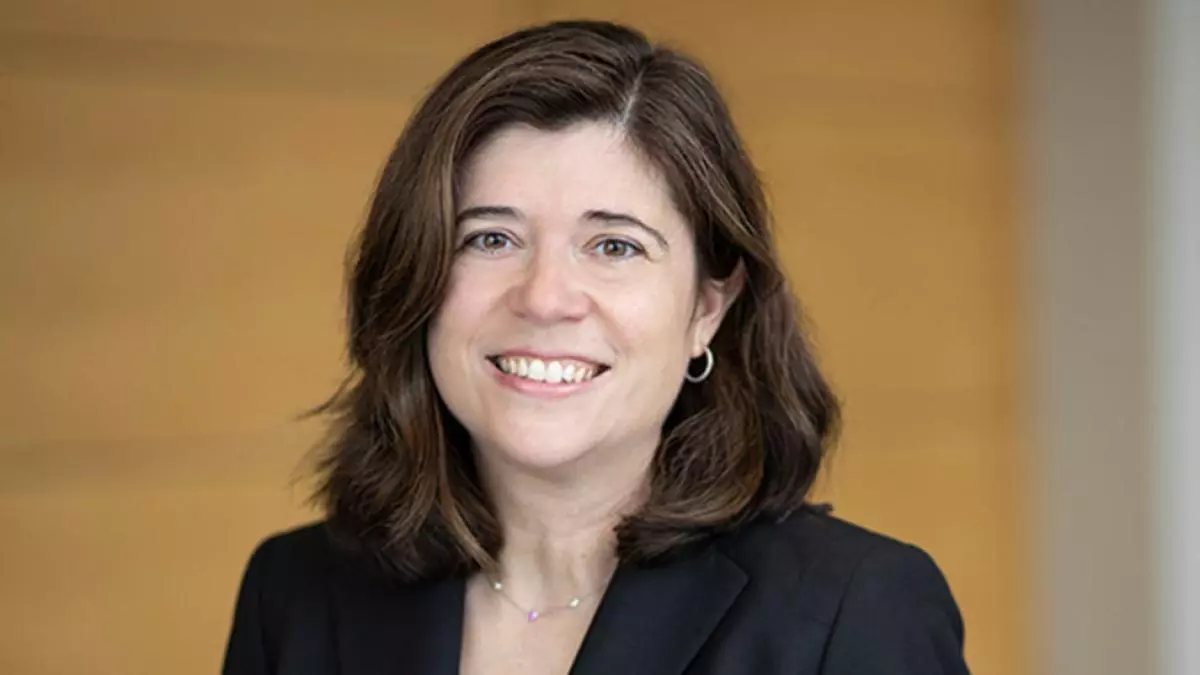
Professor Emily Gold Waldman has been awarded the 2026 Goettel Prize for Faculty Scholarship.

Haub Law launches the Environmental Law Fifty Fund to support innovative research, scholarship, and collaboration among junior environmental law scholars.

The Elisabeth Haub School of Law is proud to announce that the 2026 Elisabeth Haub Award for Environmental Law and Diplomacy will be jointly awarded to environmental lawyers Alfred Lahai Gbabai Brownell Sr. and Durwood Zaelke for their groundbreaking contributions to the progressive development of environmental law and their decades of leadership advancing environmental justice, climate action, and environmental governance around the world.