Image
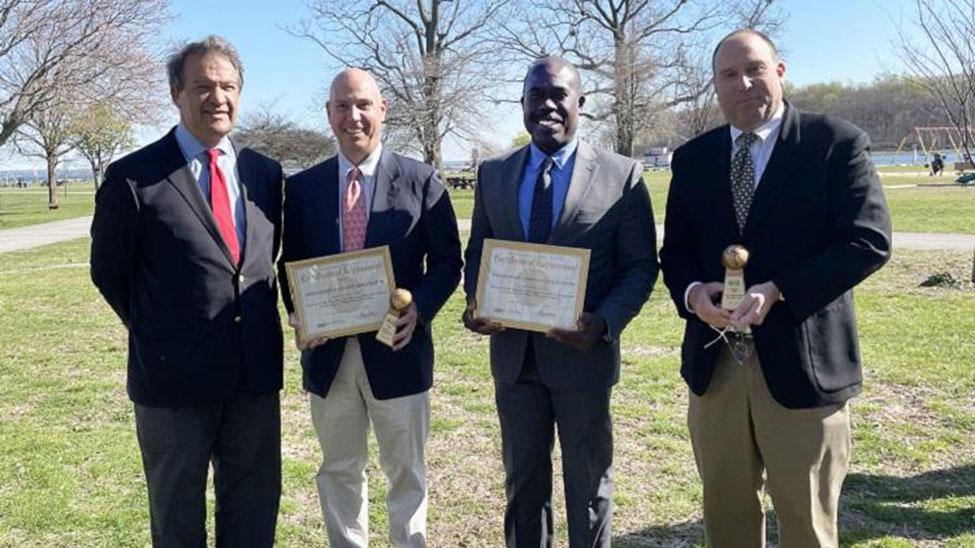
On Earth Day, the Elisabeth Haub School of Law at Pace University’s Energy and Climate Center and its partner the Westchester County Association (WCA), were honored for their work developing a Clean Energy Program Portal at the 3rd annual Westchester County ECO Awards. The awards ceremony was hosted by Westchester County Executive George Latimer and Westchester County’s Department of Environmental Facilities at Glen Island Park in New Rochelle to recognize outstanding contributions to the environment and sustainability made by residents, students, schools, municipalities, businesses, and other organizations throughout the county.
The Clean Energy Program Portal is a dynamic searchable guide to clean energy incentives, tools and technical support for businesses in Westchester and the surrounding region. Pace and WCA developed the portal to support the local business community in embracing sustainable business practices in the Westchester County and beyond.
“While the Center works on a broad range of initiatives internationally, nationally and state-wide, there is no more important work than our work in our own community,” said Craig Hart, Executive Director of the Pace Energy and Climate Center who accepted the award along with Michael Romero, President and CEO of the WCA, and Horace E. Anderson, Jr, Dean of the Elisabeth Haub School of Law. “Our collaboration with the Westchester County Association is important to our encouraging greater sustainability among the business community in Westchester.”
Along with the Pace Energy and Climate Center and the WCA, Westchester County recognized several other non-profit organizations and volunteers whose innovation and support to municipalities has helped the county remain a leader in its sustainability efforts compared to many other counties, states, and regions.

As the Pace Women’s Justice Center marks 35 years of advocacy, Executive Director Cindy Kanusher, JD, examines the legal obstacles facing survivors, the shortcomings of the justice system, and what it takes to help thousands of people find a path forward.
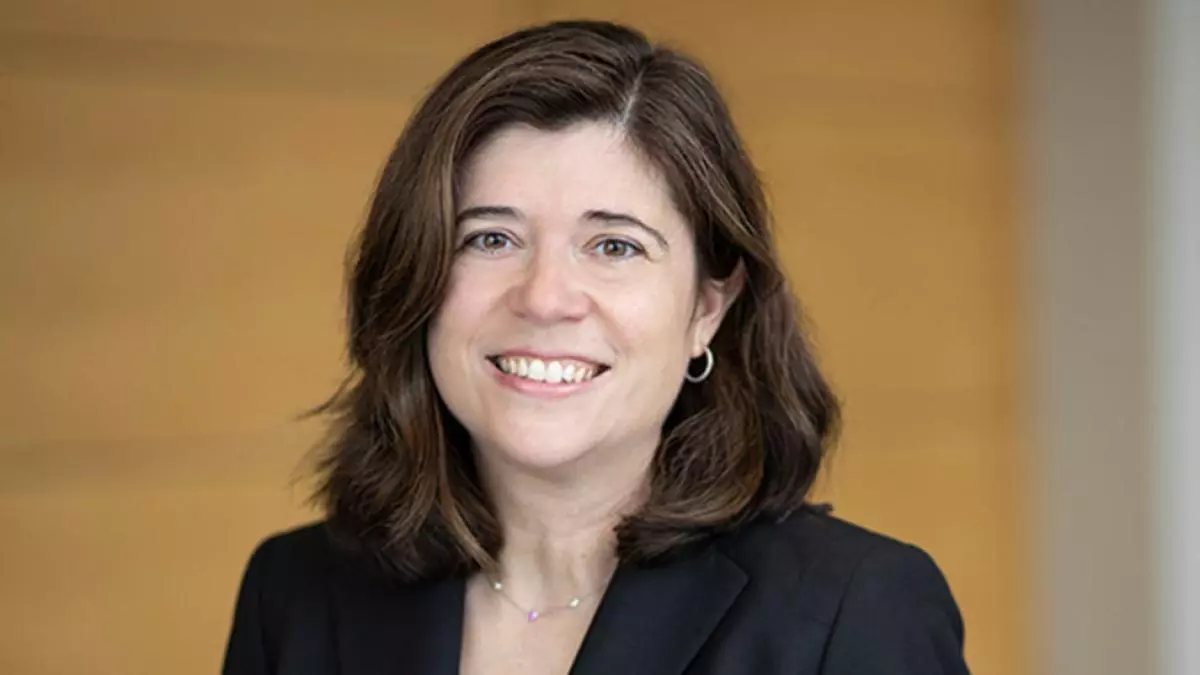
Professor Emily Gold Waldman has been awarded the 2026 Goettel Prize for Faculty Scholarship.

Haub Law launches the Environmental Law Fifty Fund to support innovative research, scholarship, and collaboration among junior environmental law scholars.