Image
Creating an inclusive learning environment takes more than good intentions. It starts with understanding the barriers that can shape students’ experiences and taking meaningful steps to address them.
Pace University's College of Health Professions invites students, faculty, and staff to Inclusive by Design: Challenging Implicit Bias, Ableism, and Microaggressions in Clinical Education, an engaging virtual discussion exploring how unconscious assumptions, attitudes, and everyday interactions can affect teaching, learning, and belonging in clinical education.
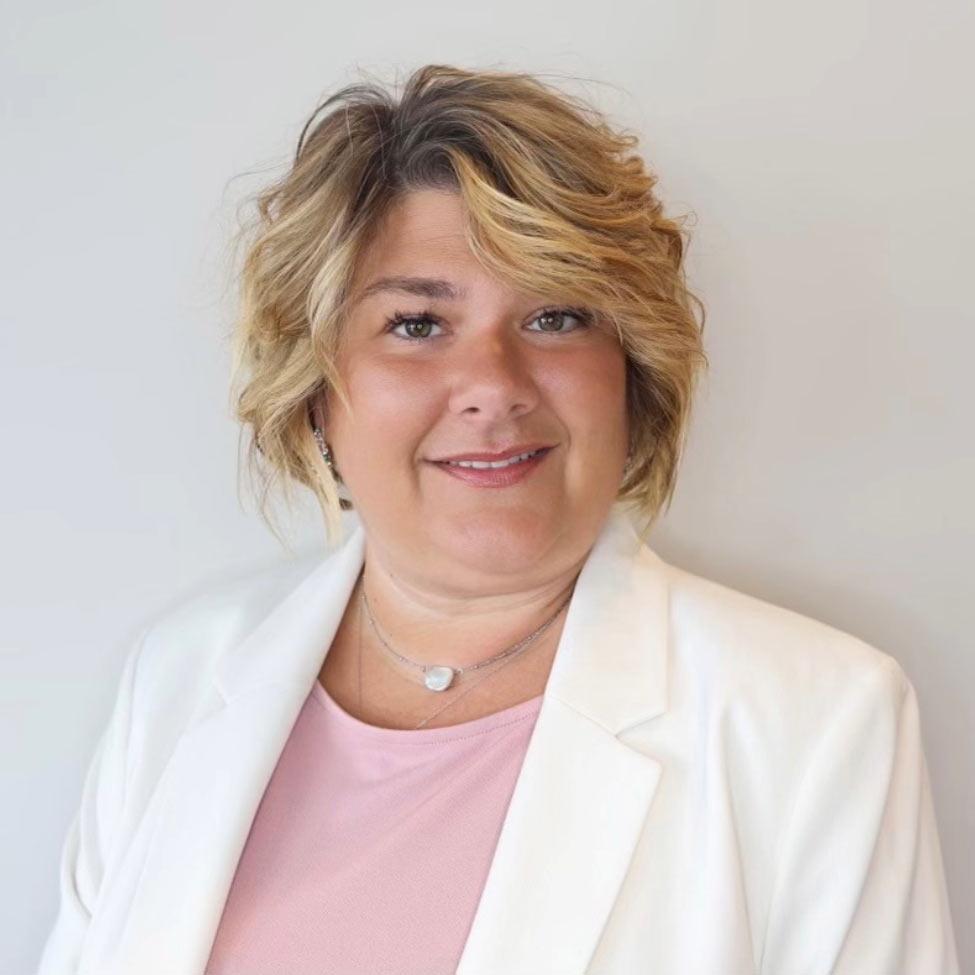
Led by Jennifer Tokash, OTD, OTR/L, CBIS, CPAM, FNAP, this thought-provoking session will examine how to recognize and address implicit bias, ableism, and microaggressions while identifying ways to create more equitable, welcoming, and supportive educational environments.
Whether you're preparing for a career in health care, teaching the next generation of professionals, or supporting student success, this conversation offers an opportunity to reflect, learn, and help build a stronger culture of inclusion across the Pace Community.
More inclusion. Better outcomes
Virtual
Creating an inclusive learning environment takes more than good intentions. It starts with understanding the barriers that can shape students’ experiences and taking meaningful steps to address them.
Pace University's College of Health Professions invites students, faculty, and staff to Inclusive by Design: Challenging Implicit Bias, Ableism, and Microaggressions in Clinical Education, an engaging virtual discussion exploring how unconscious assumptions, attitudes, and everyday interactions can affect teaching, learning, and belonging in clinical education.
Led by Jennifer Tokash, OTD, OTR/L, CBIS, CPAM, FNAP, this thought-provoking session will examine how to recognize and address implicit bias, ableism, and microaggressions while identifying ways to create more equitable, welcoming, and supportive educational environments.
Whether you're preparing for a career in health care, teaching the next generation of professionals, or supporting student success, this conversation offers an opportunity to reflect, learn, and help build a stronger culture of inclusion across the Pace Community.
More inclusion. Better outcomes
Description America/New_York public