Image
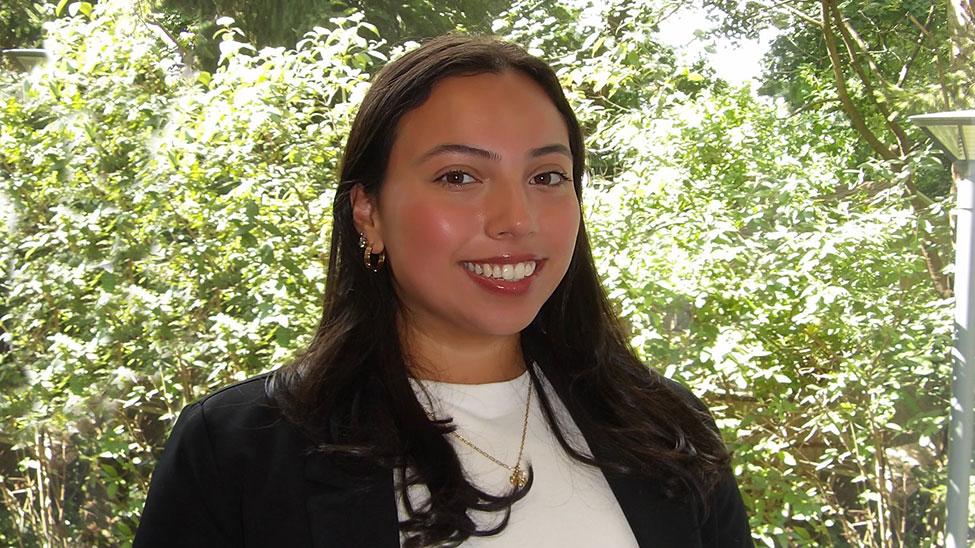
When 3L Janay Russo was exploring colleges, she found herself captivated by a pressing question: Why does such severe inequality persist within the legal system? Her unrelenting curiosity about the foundations of law and the societal and economic biases shaping the criminal justice system, inspired her to pursue an undergraduate degree in Justice Studies and Criminology at James Madison University.
A defining moment in Janay’s journey came during an undergraduate internship at a rehabilitation home, where she had the opportunity to advocate for women transitioning from incarceration to society. Witnessing the immense hardships these women faced was equally humbling and eye-opening. Yet, being a reliable source of support for those in need, brought her an incredible sense of fulfillment that solidified her decision to pursue a career in law.
As a first-generation student, Janay draws strength from her close-knit and supportive family, crediting her parents for inspiring her to strive for excellence and become her best self. She is incredibly grateful for their encouragement to stretch herself outside of her comfort zone–something she considers the secret to her success. Taking a page from her parent’s book, Janay greatly admires inspiring others to be their best self, a quality she also treasures with her friends at Haub Law. The connections she has made in law school feel like family–a chosen community that motivates and uplifts one another, even during the most challenging moments.
Janay’s inspired support at Haub Law didn’t end with her classmates, it also extended into her interactions with the faculty. She has always been excited to learn from the engaging faculty; one standout being Professor Waldman, whose class piqued her interest in the federal court system and led to an internship with the Honorable Chief Judge Nevins in the bankruptcy court for the District of Connecticut during her 1L year. As a 2L, Janay participated in the Federal Judicial Honors Program, where she externed in the chambers of the Honorable Judge Seibel for the Southern District of New York. The combined experience of working for the court changed the direction of her law school interests. Being in chambers on two separate occasions, forged a new career path she didn’t know she was interested in–clerking! Janay now has her sights set on being a clerk post-graduation to fulfill her passion for research and writing. Having the opportunity to watch a trial from start to finish and help draft decisions has been extremely rewarding.
What is next for Janay post-graduation? She is proud to share her efforts have come full circle. Janay recently accepted a clerkship for a federal bankruptcy judge in the Northern District of Georgia. When asked what advice she would leave aspiring students, Janay shares, “Don’t shy away from things that make you uncomfortable.” “Law school involves a lot of growing, exploring, and changes–all things that make people uncomfortable, but with the discomfort comes incredible opportunities, joyful new experiences, and friendships for a lifetime."
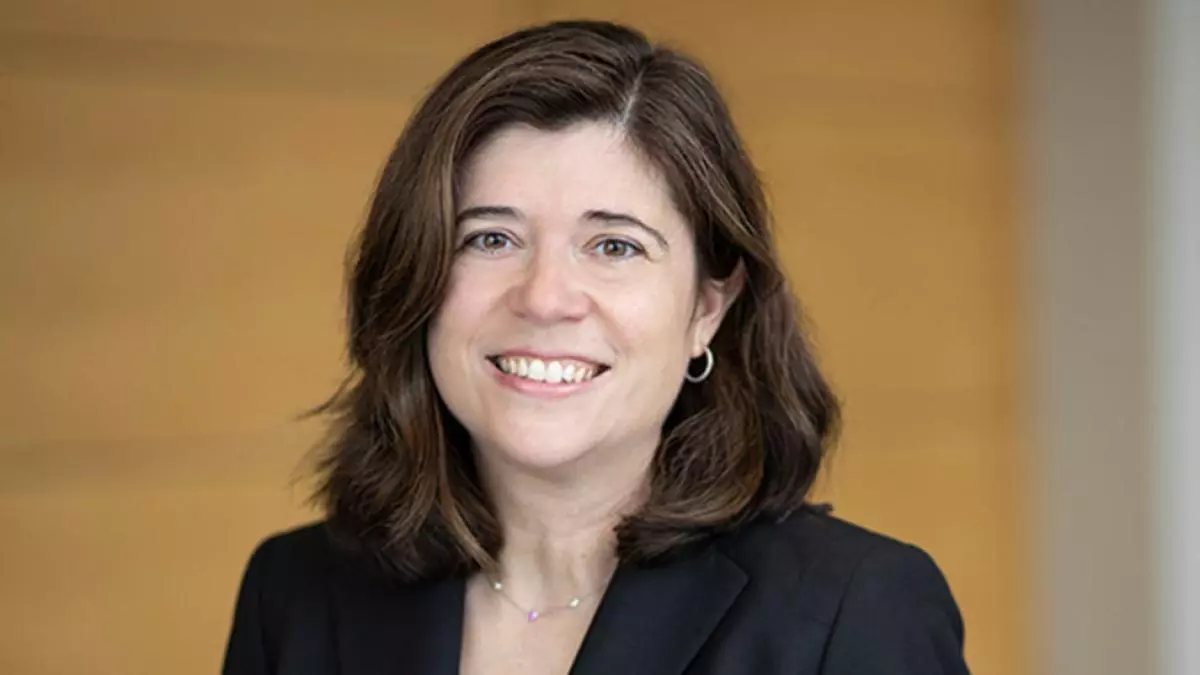
Professor Emily Gold Waldman has been awarded the 2026 Goettel Prize for Faculty Scholarship.

Haub Law launches the Environmental Law Fifty Fund to support innovative research, scholarship, and collaboration among junior environmental law scholars.

The Elisabeth Haub School of Law is proud to announce that the 2026 Elisabeth Haub Award for Environmental Law and Diplomacy will be jointly awarded to environmental lawyers Alfred Lahai Gbabai Brownell Sr. and Durwood Zaelke for their groundbreaking contributions to the progressive development of environmental law and their decades of leadership advancing environmental justice, climate action, and environmental governance around the world.