Image
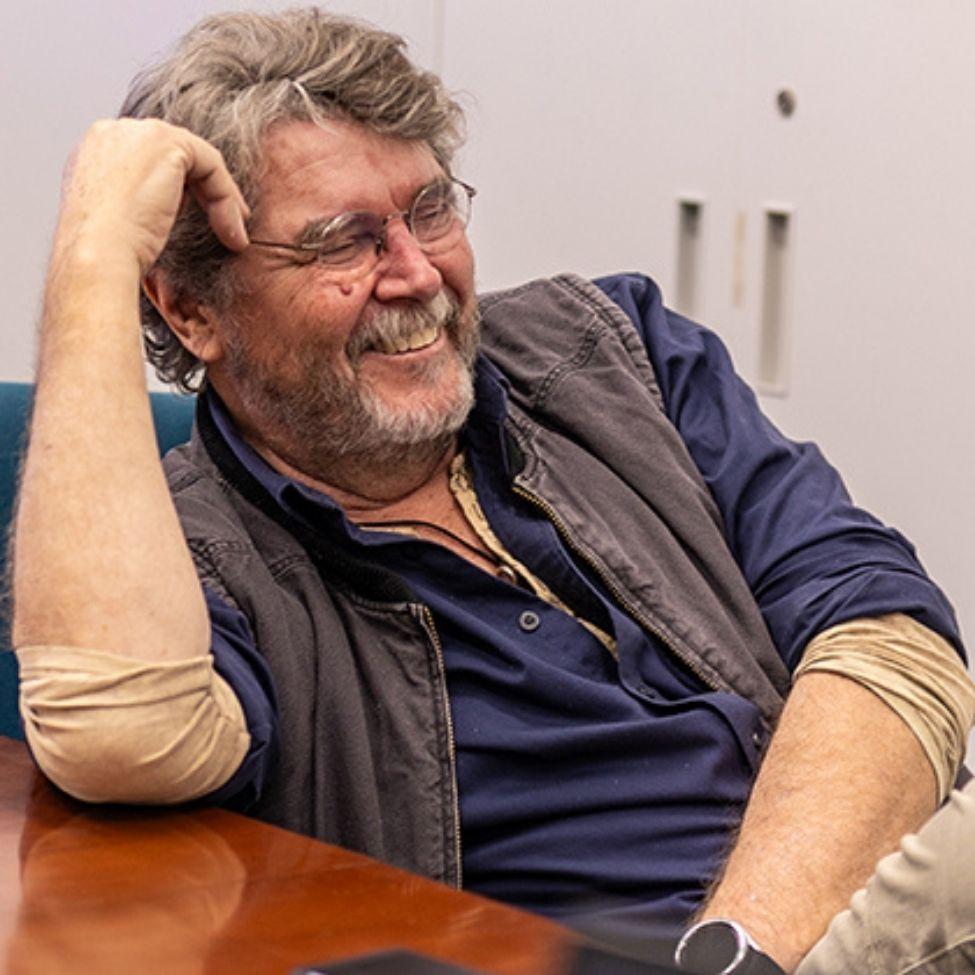

The Millennium Campus Network has appointed Seidenberg School of Computer Science and Information Systems Professor John Cronin to its Civic Learning Council. The leadership body advances the United Nations Sustainable Development Goals by supporting student-led projects on 290 campuses across 47 countries.
Cronin has spent nearly four decades at Pace working at the intersection of environmental advocacy, education, and public service. The appointment recognizes Cronin’s longstanding commitment to civic engagement and his work mentoring students through the Millennium Fellowship program at Pace University’s Seidenberg School.
As executive director of the Gale Epstein Center for Technology Policy and Innovation at Seidenberg, Cronin has helped guide 26 Pace students to become Millennium Fellows over the past three years. Pace’s Fellowship applicants under his mentorship have achieved a 100 percent acceptance rate—an extraordinary accomplishment in a program where only 6 percent of applicants worldwide are selected.
For Cronin, the recognition reflects something larger than individual achievement: the ability for students to contribute meaningfully to global challenges while still in college. “Seidenberg students have a unique role to play in achieving the Sustainable Development Goals,” he said. “One-quarter of the way through the 21st century, with 8 billion cellphones worldwide, we envision a global water network that will provide both a warning and information system regarding water quality and availability.”
A lifelong environmental advocate, Cronin’s connection to Pace dates back to 1986, when he co-founded the Environmental Litigation Clinic at the Elisabeth Haub School of Law at Pace University while serving as Hudson Riverkeeper. His work on the Hudson River and his partnership with Pace in advancing environmental justice ultimately earned him an honorary JD from the University.
In 1999, he became Pace’s first Resident Scholar in Environmental Studies at Dyson College of Arts and Sciences. While at Dyson, he co-founded the Environmental Policy Clinic (today’s Animal Advocacy Clinic) with Professor Michelle Land.
His next step at Pace was at the Seidenberg School, where Pace’s Assistant Provost for Wellness Sue Maxam introduced him to the Millennium Fellowship program. The opportunity to involve Pace students to a larger international stage was hard to decline, so Cronin jumped at this chance to connect our students with a movement focused on social impact and sustainability.
It is ever rewarding to our students that Pace’s resolute commitment to social good and civic engagement provides a home to imagine, and someday achieve, such an ambitious vision.
Over the last several years, those student teams have launched ambitious projects with real-world implications as Millennium Fellows, including the world’s first “Right-to-Know H2O” campaign focused on water transparency and accessibility.
Cronin also helped lead a joint program between Pace University and HAMK Häme University of Applied Sciences in Finland that brought together 19 Millennium Fellows representing 16 nations. Together, the students drafted a petition to United Nations Secretary-General António Guterres calling for the establishment of right-to-know water quality information as a fundamental human right. Pace students are expected to present the petition at the United Nations later this year.
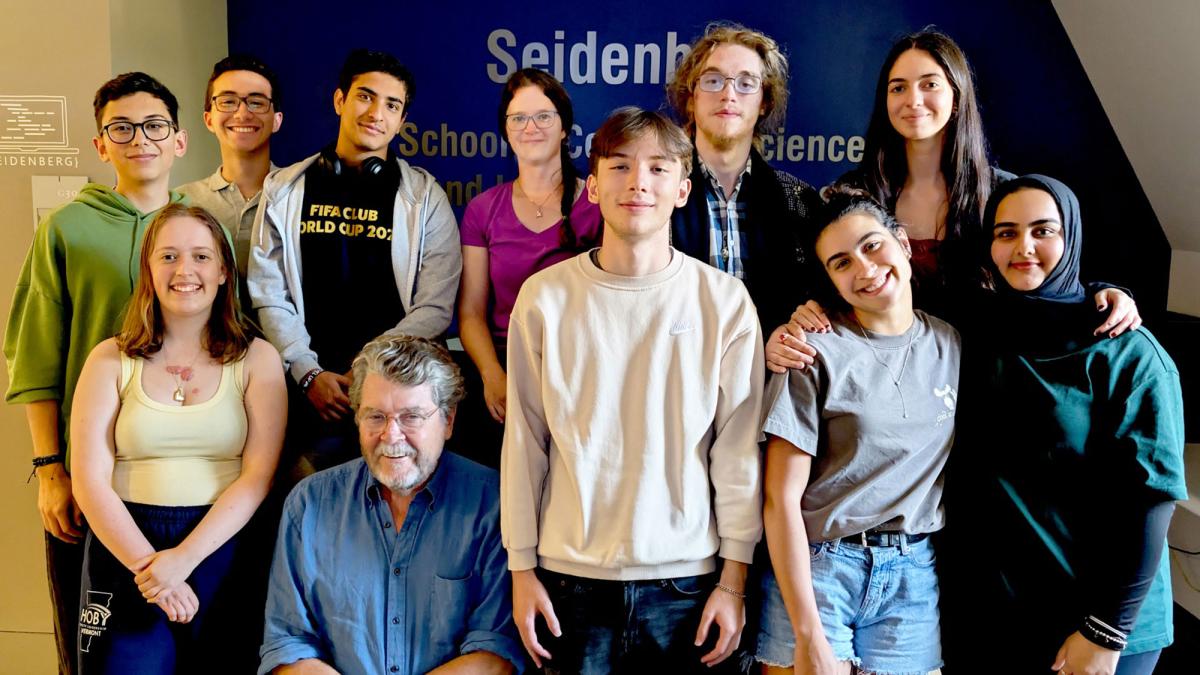
For Cronin, projects like these represent the evolving role of technology students in addressing some of the world’s most urgent problems. He added that “it is ever rewarding to our students that Pace’s resolute commitment to social good and civic engagement provides a home to imagine, and someday achieve, such an ambitious vision.”
Through initiatives like the Millennium Fellowship, Pace students are gaining hands-on experience with global collaboration and emerging technology, while also helping shape conversations around sustainability, public health, and human rights on an international stage.

Pace’s Break the Pattern with AI event explored how women in tech can use AI thoughtfully to challenge familiar ways of thinking and creating.

From empathetic chatbots to smarter AI project management, Seidenberg Professor Youngsoo Shin's latest research is advancing human-centered AI and positioning Pace University at the forefront of innovation across multiple disciplines.

Whether he's leading an AI internship, hosting a campus barbecue, or mentoring students, Seidenberg professor Matt Ganis approaches every opportunity with one goal: helping students succeed.