Image
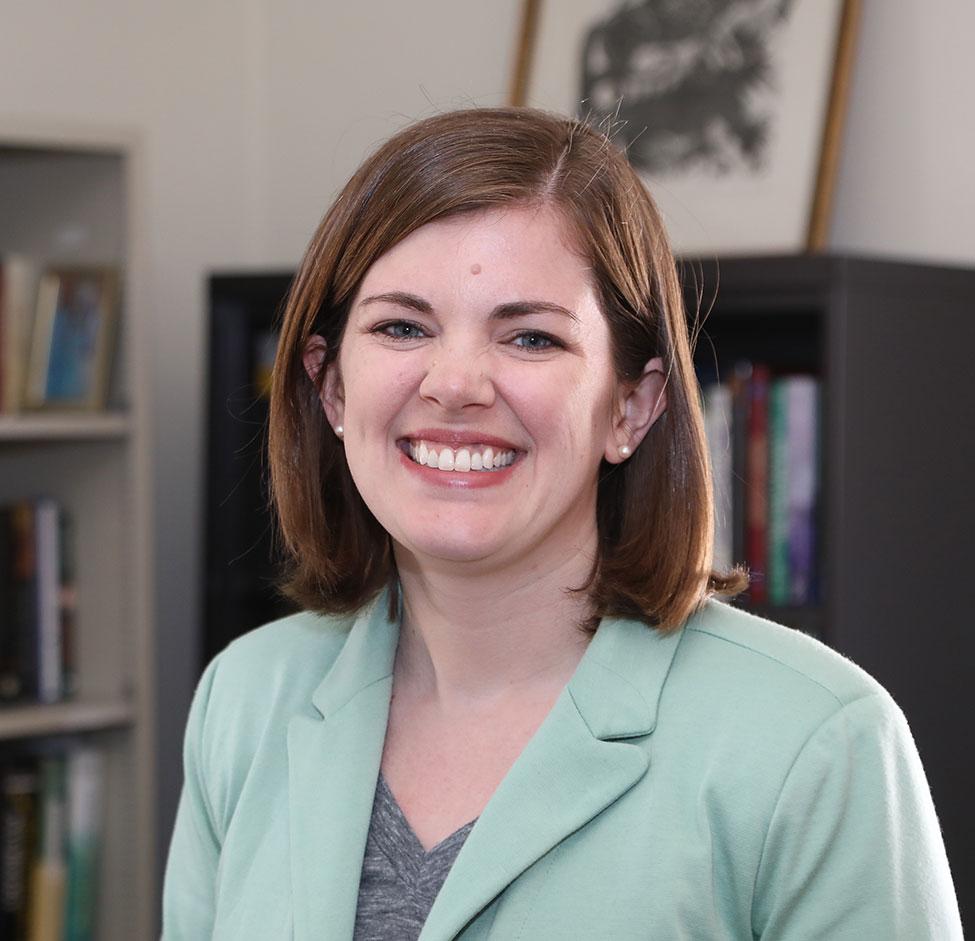
At Pace University, Professor Courtney Gosnell, PhD, is helping students see psychology not only as a field of study, but as a way of understanding the relationships that shape everyday life.
A faculty member in the undergraduate Psychology program, Pleasantville Campus, Gosnell focuses her research on how people navigate close relationships in both joyful and difficult moments. Her work specifically examines social support, emotional connection, and the ways people sustain important bonds even in an increasingly divided world.
Through that scholarship, and through her close mentorship of students, Gosnell reflects the kind of engaged, student-centered faculty expertise that distinguishes Pace’s Psychology program, recently recognized by U.S. News & World Report as a Best Psychology program.
Much of Gosnell’s research centers on social support; however, while many studies in the field of psychology have focused on how people help one another through hardship, Gosnell has also examined how people celebrate one another and what happens when good news is shared.
This area, known as “capitalization support,” looks at how people respond when a loved one, for example, experiences something positive, such as a promotion, engagement, or personal achievement.
“When we think about social support, we often focus on how people show up during difficult moments. But what we’ve found is that how people respond to your good news can be just as meaningful—if not more so—in shaping how supported you feel overall,” she said.
This insight is important to the field because it expands how psychologists understand well-being, resilience, and the role of relationships in everyday mental health.
Gosnell has also more recently turned her attention to a timely and urgent topic: how close relationships endure across political differences.
She has explored what it means to maintain relationships with parents, siblings, romantic partners, and other loved ones whose political views may differ sharply from one’s own. Her projects also consider how outside forces, including election outcomes and media messaging, can influence how people feel about those relationships.
This research is especially relevant in today’s period of heightened social and political polarization, and it brings an important interpersonal lens to a subject often discussed only at the group or partisan level. By studying how people preserve connections amid disagreement, Gosnell is contributing to a richer understanding of conflict, communication, and the everyday realities of social division.
At Pace, Gosnell helps students move beyond textbook definitions and into experiential discoveries.
She works extensively with students, engaging them in participation both at research conferences and in research-focused settings, including the Psychology Department’s experimental psychology course sequence, in which they spend a full academic year developing their own studies. In the process, students learn how to generate research questions, review literature, submit materials for institutional review board approval, collect and analyze data, and present their findings.
Gosnell also teaches students in mentored lab experiences, that allow them to earn course credit through direct faculty-guided research, often funded by the Provost Office’s Undergraduate Research program. Her hands-on approach gives undergraduates the kind of substantive research training often associated with graduate education, helping them build practical skills in collaboration, communication, leadership, and analysis.
She said, “One of the most rewarding aspects of teaching is watching students realize they can ask their own questions and design a study to answer them. That moment of discovery is incredibly powerful.”
Asked what makes the Pace Psychology program distinctive, Gosnell points to the close faculty-student connections that are possible on the Pleasantville Campus.
For Gosnell, that combination of personal attention, meaningful mentorship, and experiential learning is a defining strength of Pace. It is also what makes the program such a strong environment for aspiring psychologists to grow, explore, and succeed in a wide range of future careers.
“At Pace, students have the opportunity to work closely with faculty and get involved in research early on. That hands-on experience, combined with strong mentorship, really sets our program apart,” she said.

Decades of research at Pace’s Haskins Labs helped pave the way for a lifesaving treatment for sleeping sickness with far-reaching global impact.

Pace University’s undergraduate psychology program jumped 34 spots in the latest U.S. News & World Report rankings, building momentum for a STEM-designated program rooted in research, critical thinking, and real-world experience.

In a world where everyone can share the news, who decides what's true? Drawing on more than a decade of research, associate professor Mirjana Pantic explores how readers can participate responsibly in the news while separating fact from fiction in her book, Digital News Literacy and Participatory Journalism.