Image
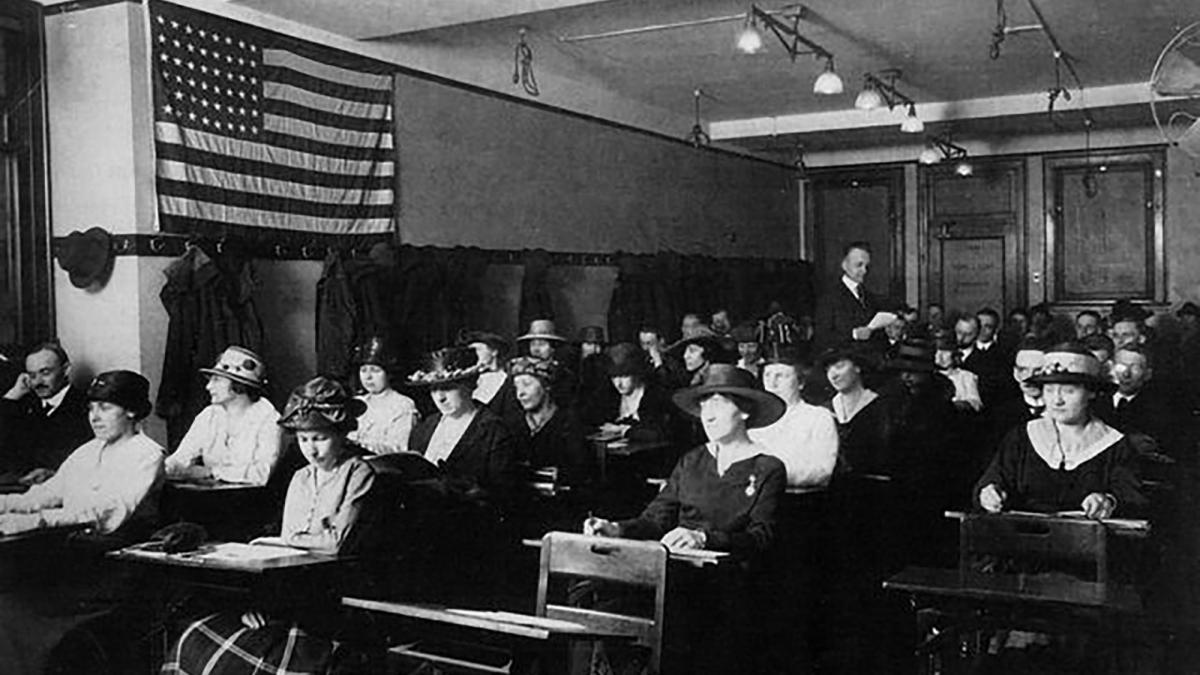

Homer St. Clair Pace and his brother Charles Ashford Pace founded Pace University in 1906 with a mission to provide high-quality accounting education and prepare students for the rigorous New York CPA examination. Starting with just a $600 loan, a rented classroom in lower Manhattan, and a class of 13 students, the Pace brothers built an institution grounded in practical business education. Over time, their vision expanded beyond accounting to include a broader academic structure, ultimately evolving into a degree-granting college and, later, a full-fledged university recognized for its professional and experiential learning focus.
1906 — Pace School of Accountancy founded
Thirteen students. One rented room. A belief that opportunity could be taught. From those first lessons, generations of Pace alumni stepped forward ready to make their mark.
1933 — Institute reorganized into three professional schools
As the world of business grew more complex, so did Pace. The curriculum evolved, and so did its graduates—adaptable, ambitious, and always a step ahead.

1948 — Pace gains degree-granting status (BBA)
A defining moment. Pace becomes a college, and its students become graduates with credentials that opened doors—and kept opening them for decades to come.
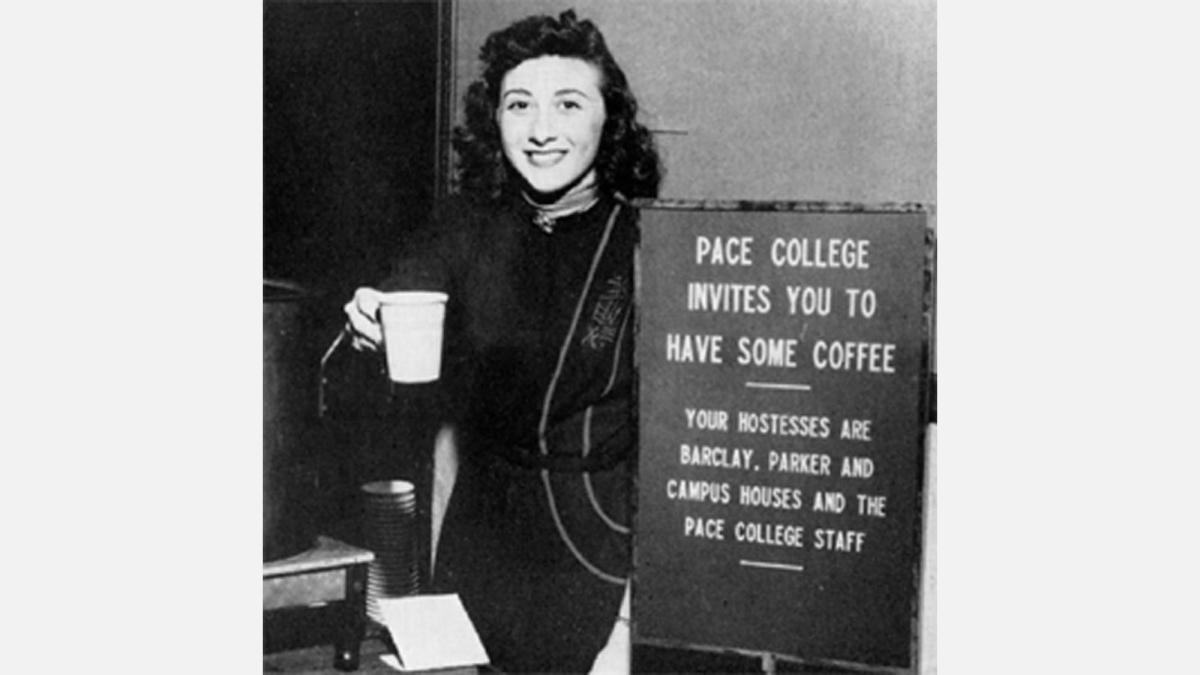
1950 — Launch of liberal arts programs (future Dyson College)
Not just careers, but perspectives. Pace expands into the liberal arts, shaping thinkers, creators, and alumni whose impact reaches far beyond any single field.
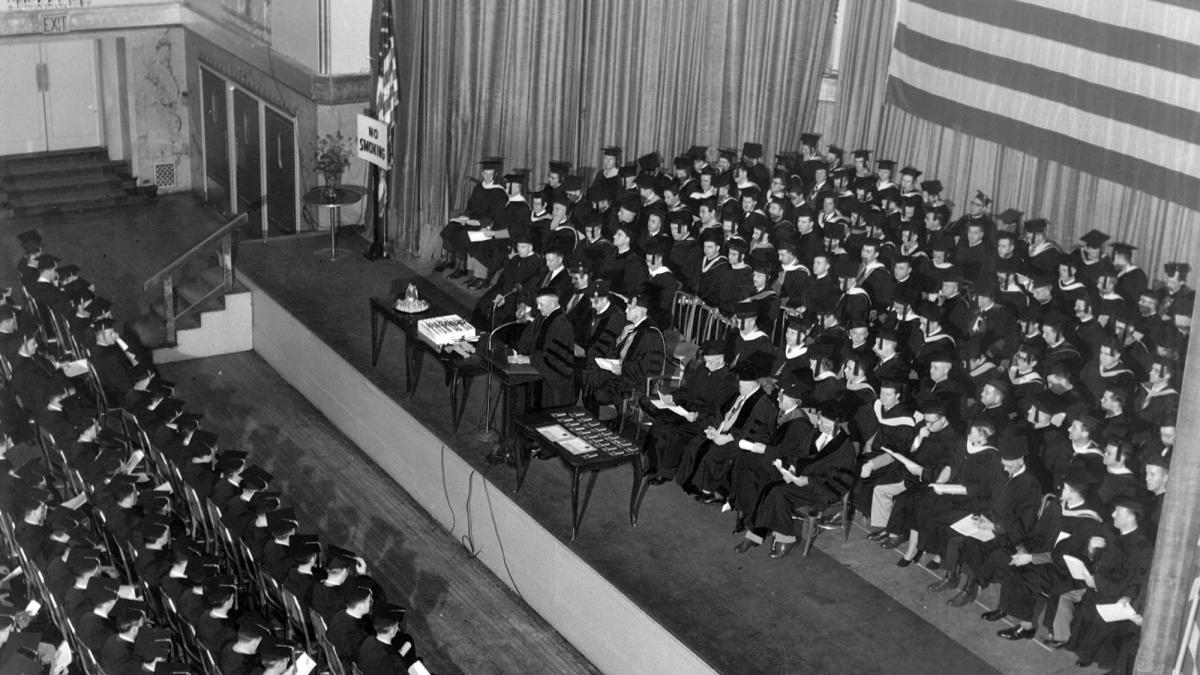
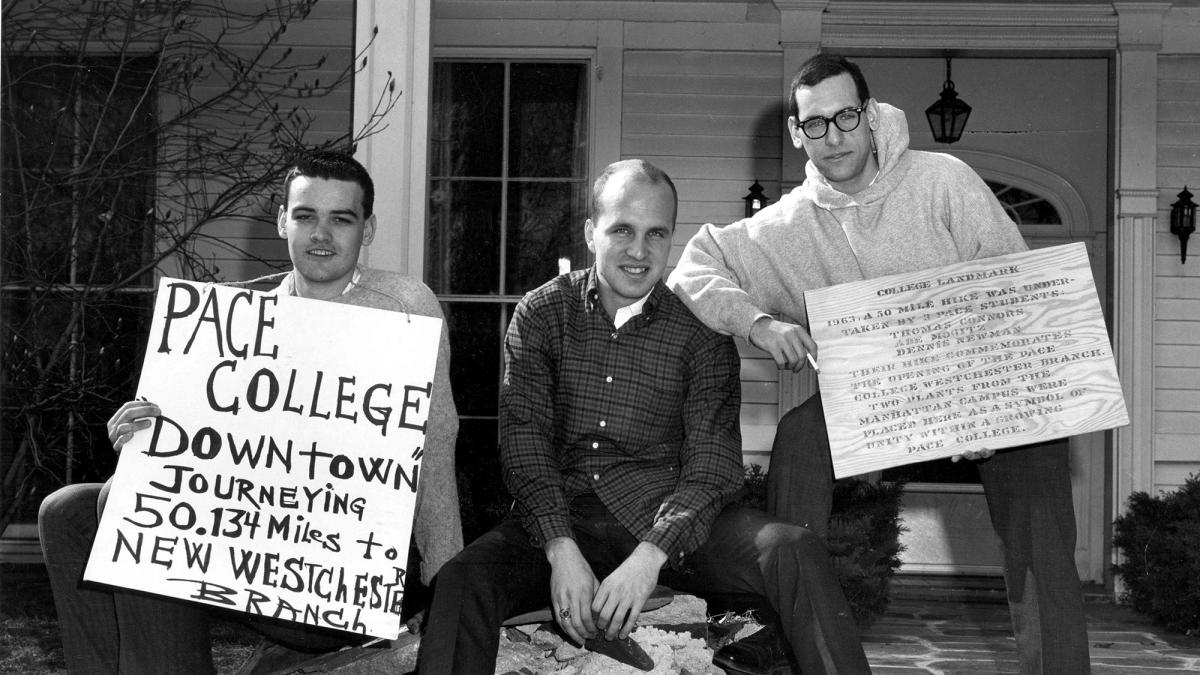
1963 — Pace expands to Westchester
Following a gift from Helen and Wayne Marks, Pace expands to Westchester with the addition of the Pleasantville Campus.
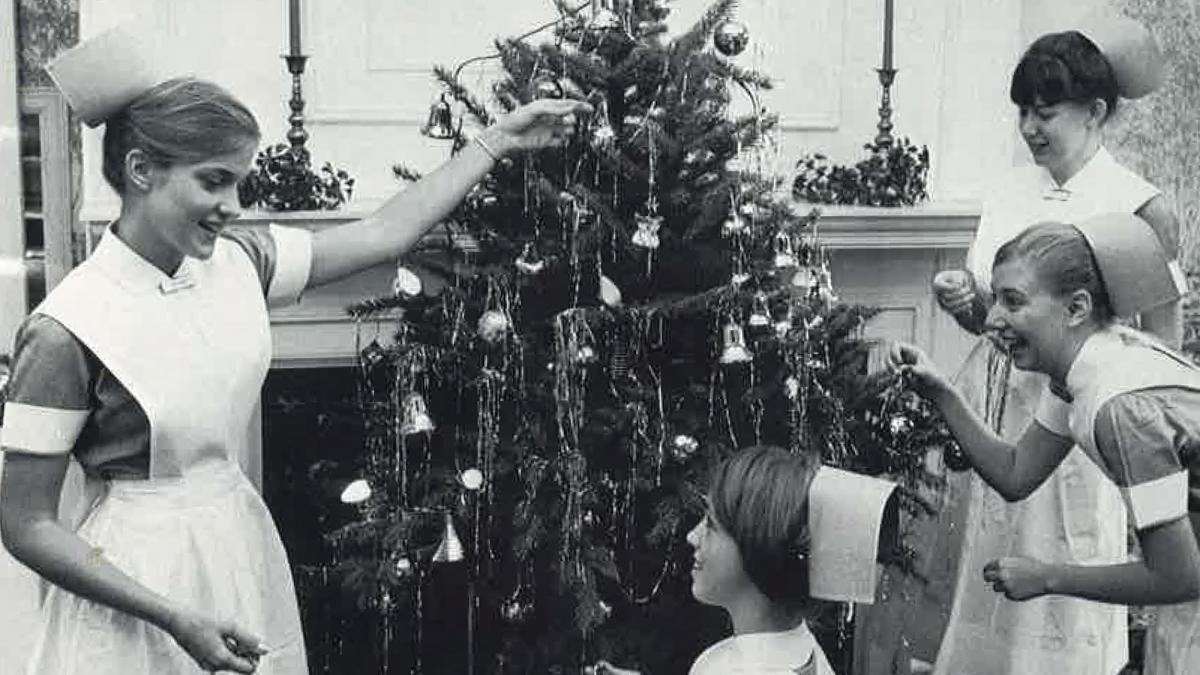
1966 — Nursing School founded (Later named Lienhard School)
A different kind of calling takes root. Compassion meets expertise, and Pace alumni begin changing lives not just through work, but through care.
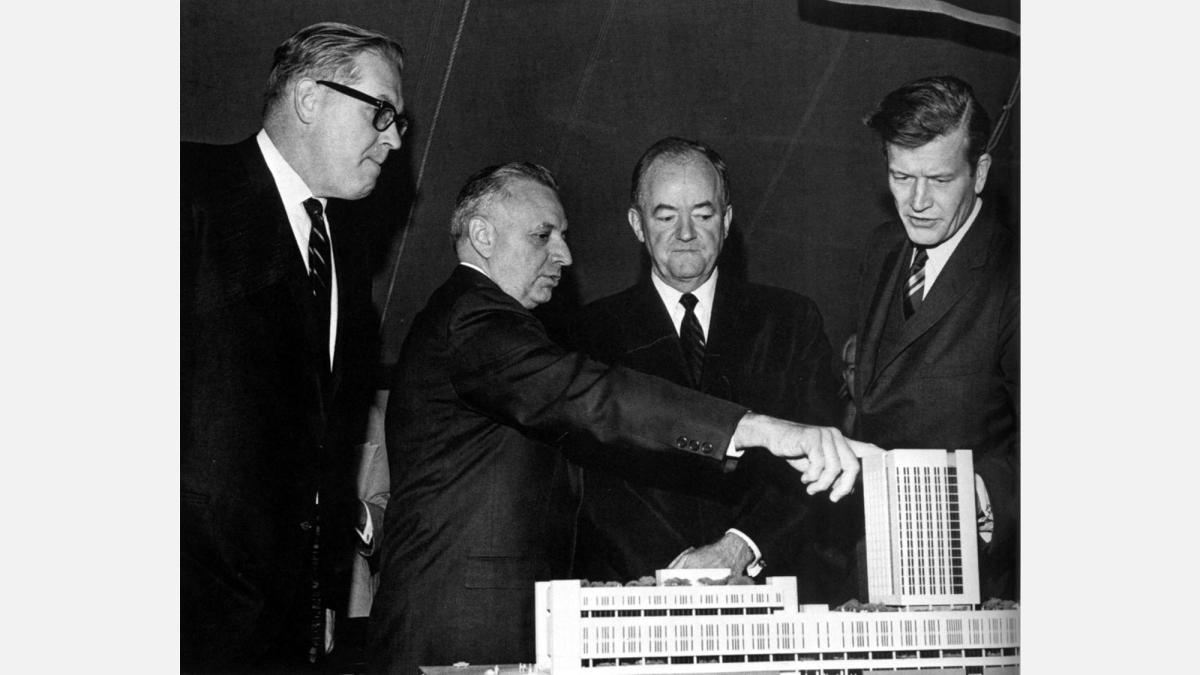
1966 — Pace breaks ground downtown
Pace makes a permanent mark in New York City's financial district as it breaks ground on the site that would later be called One Pace Plaza.
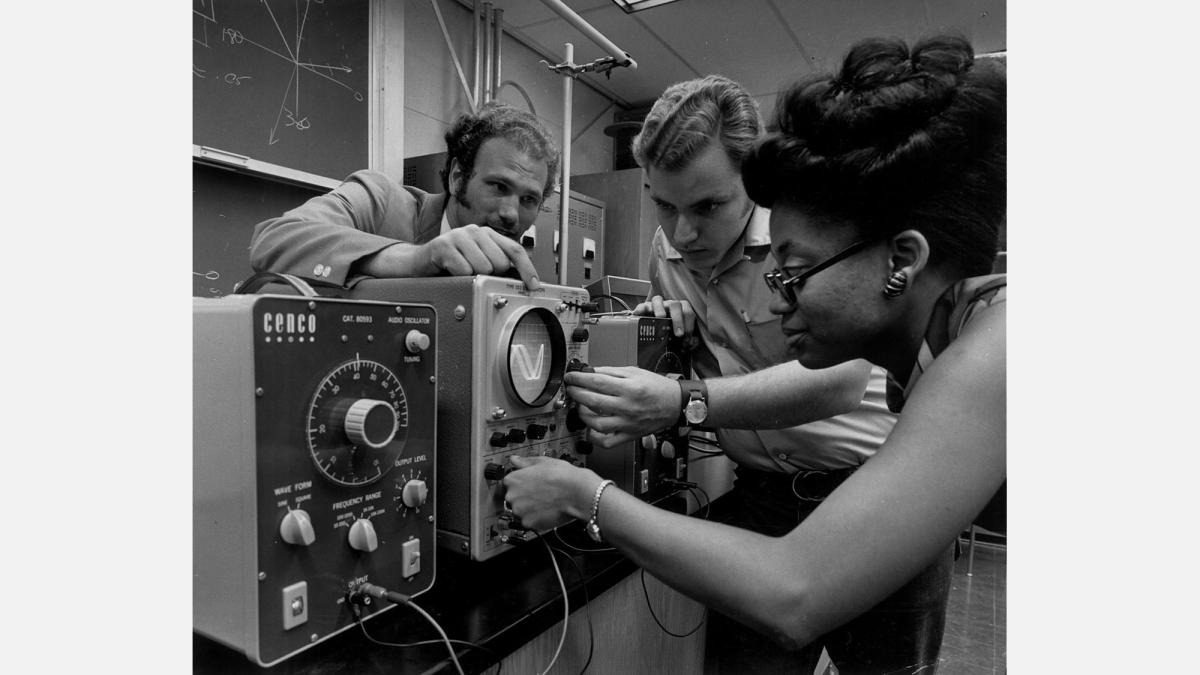
1973 — Pace becomes a university
The name changes. The momentum does not. Pace University emerges, carrying forward a legacy its alumni continue to define every day.
1976 — Law School established (now the Elisabeth Haub School of Law)
New voices enter the conversation. Pace graduates rise as advocates, negotiators, and defenders, shaping law, policy, and the future.
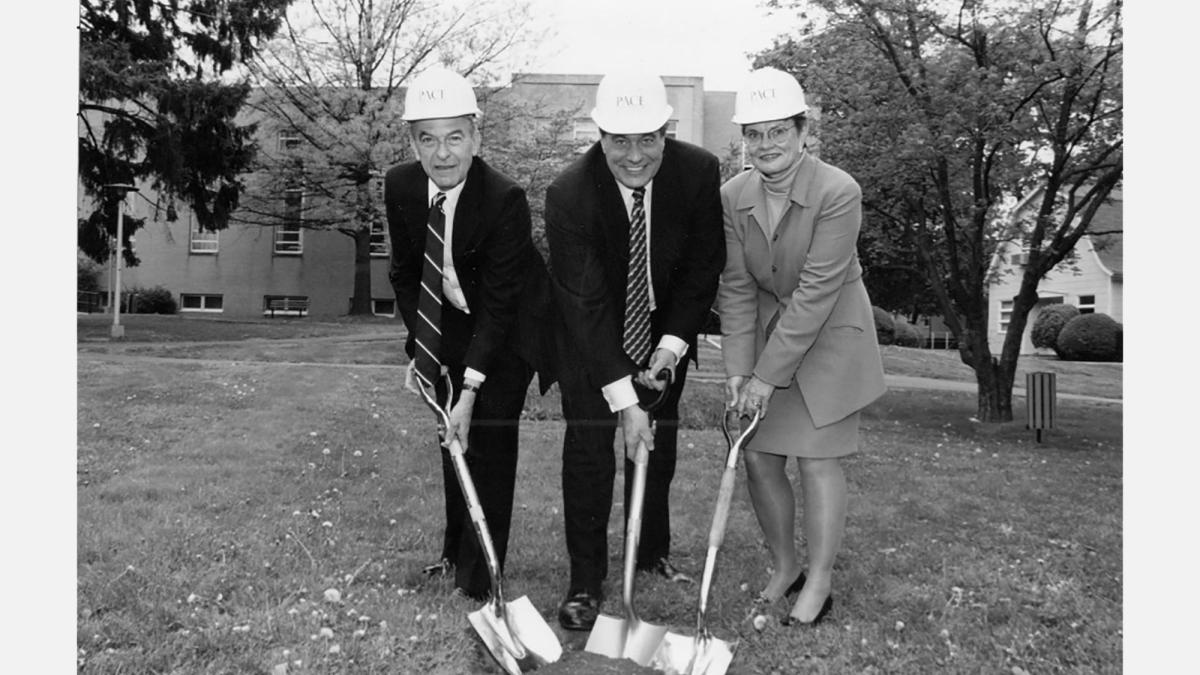
1983 — Computer science programs consolidated (foundation of Seidenberg)
Before the digital age had a name, Pace was already there. Alumni stepped into a world being built in real time—and helped build it.
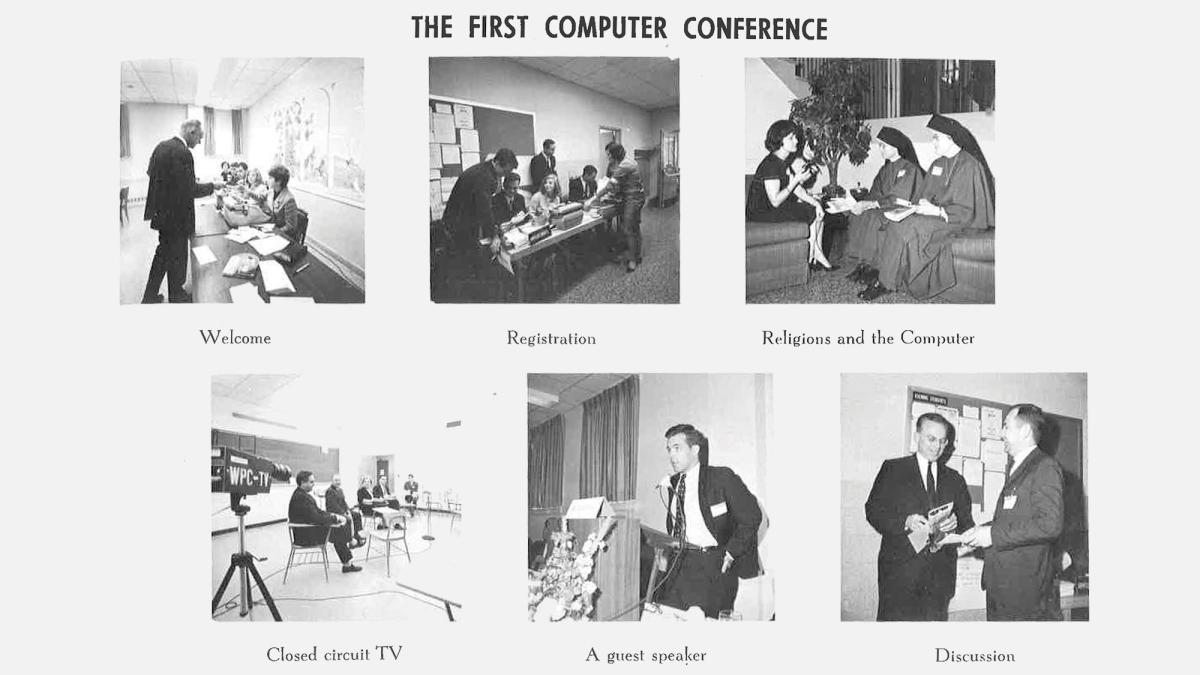
2003 — Pforzheimer Honors College established
A community for those who ask more, push further, and expect better. A place where Pace’s most driven students become alumni who lead with purpose.
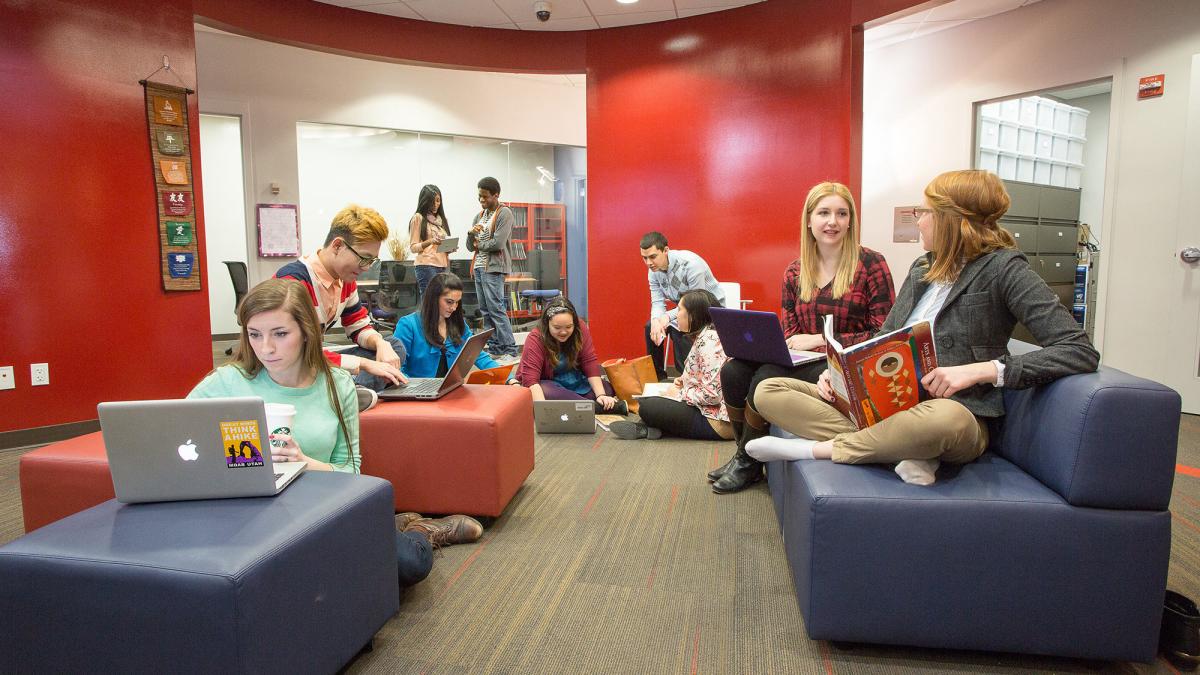
2014 — Pace School of Performing Arts established
The spotlight finds Pace. On stage and on screen, alumni bring stories to life, carrying their training into moments seen and felt around the world.
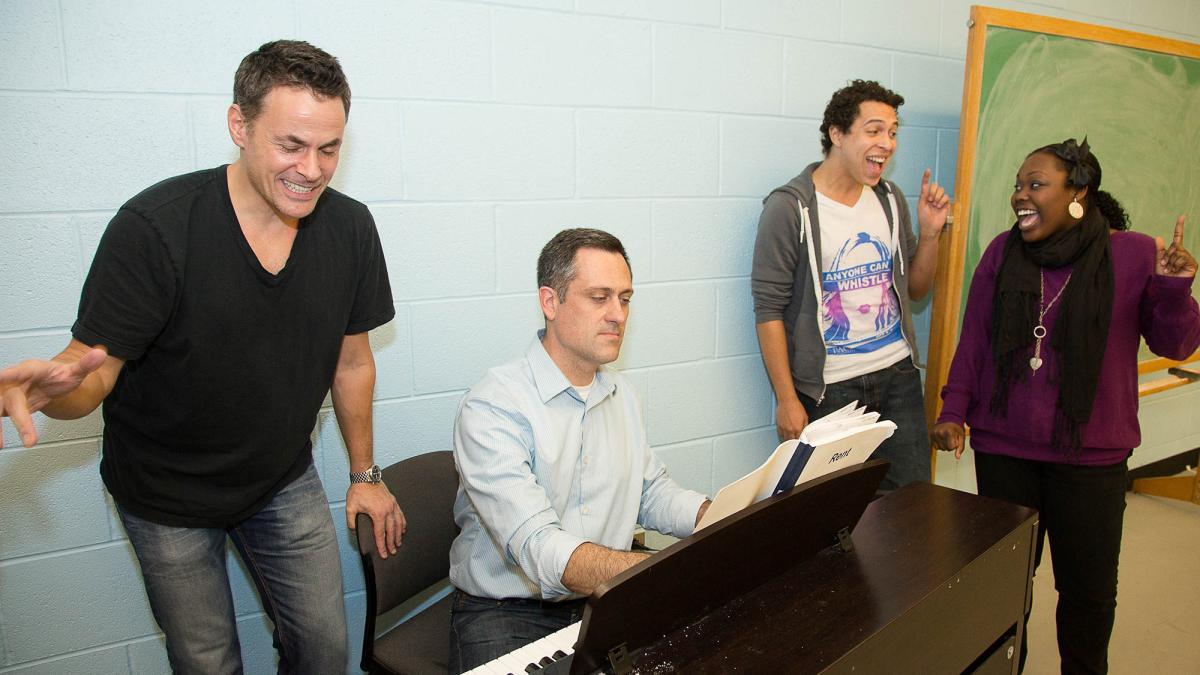
2023 — PPA becomes Sands
A gift from Pamela and Rob Sands, JD ’84, establishes the Sands College of Performing Arts as Pace's newest college.
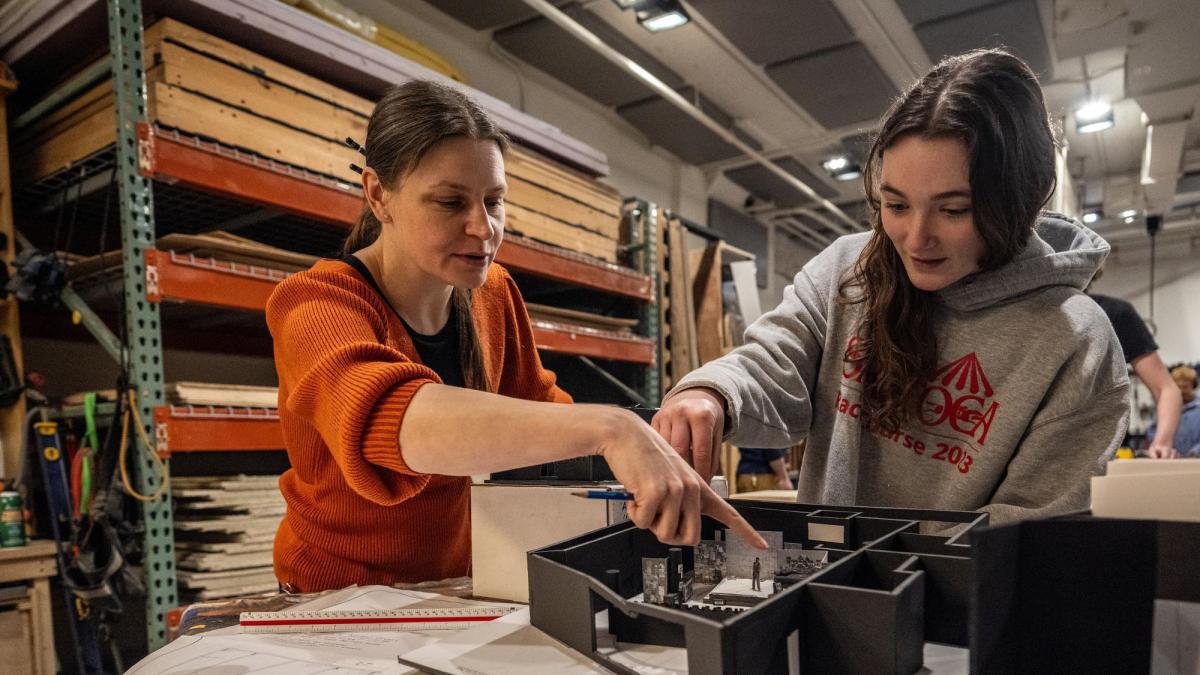

For 120 years, Pace University graduates have shaped industries, influenced public life, and pushed innovation forward. From a U.S. Secretary of the Navy to Olympic medalists, global health leaders, and cultural trailblazers, explore the alumni whose impact tells the story of Pace—past, present, and future.

Pace has changed over the years, but some things never leave you. From long-gone campuses to unforgettable traditions, these are just some of the moments that define what it means to be Pace.

In 1906, with a $600 loan and a single rented classroom on Park Row, Homer Pace launched an entrepreneurial idea that would become a model for the future of higher education.