Image

For survivors of domestic violence, leaving an abusive relationship can be only the beginning of a complicated legal journey. Questions about child custody, financial support, housing, and personal safety can make an already difficult situation feel impossible. And for many, the cost of hiring an attorney puts legal help out of reach.
For 35 years, the Pace Women’s Justice Center (PWJC) has worked to change that reality.
Founded in 1991, the Center provides free civil legal services to survivors of domestic violence, sexual assault, and elder abuse in Westchester and Putnam Counties. Today, its team of approximately 35 professionals, including 26 attorneys, serves roughly 3,500 clients annually. Through courthouse offices, legal consultations, a helpline, and partnerships with the Elisabeth Haub School of Law, PWJC helps survivors understand their rights and navigate a legal system that can be difficult to access.
But as the Center marks its 35th anniversary during Domestic Violence Awareness Month in October, its leaders acknowledge that significant challenges remain.
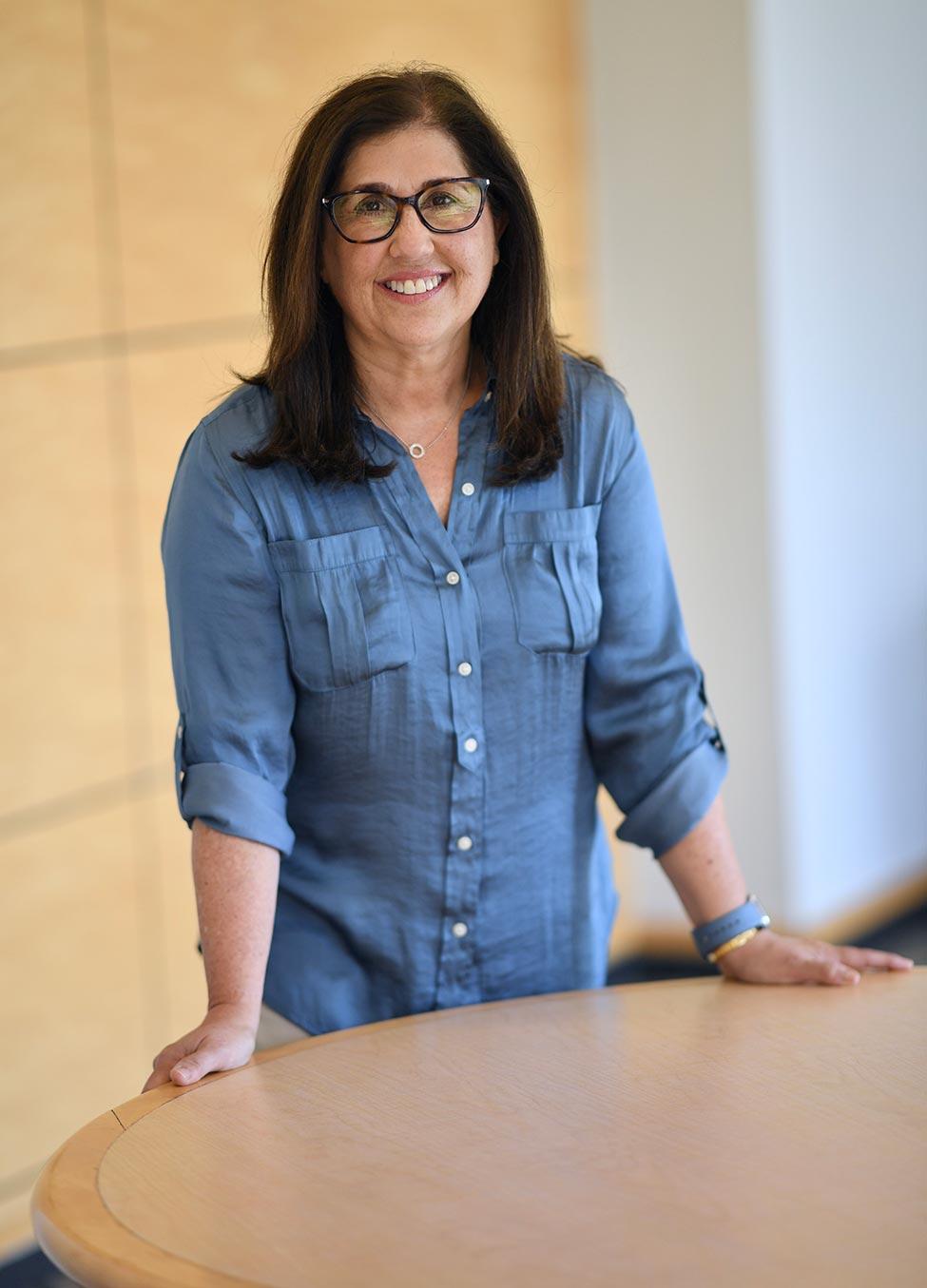
Cindy Kanusher, JD, PWJC's executive director, has spent nearly three decades working to expand access to legal representation for survivors. She joined the organization when it had just three attorneys and has helped guide its evolution into one of the region's established legal advocacy organizations.
We spoke with Kanusher about the financial and legal barriers survivors encounter, where the justice system continues to fall short, and why the Center's work remains as urgent as ever.
What are the biggest legal challenges facing survivors of domestic violence today?
One of the biggest challenges is that survivors simply cannot afford legal help. So many of the people who come to us don't have the financial means to hire an attorney. Sometimes that's because financial abuse is part of their situation. Other times, they just don't have the resources to pay for legal representation, which can be extraordinarily expensive.
That's why being able to provide our services for free is so important.
But affordability is only one barrier. Access is another. We have offices in the family courthouses in White Plains, Yonkers, and New Rochelle, where someone can walk in without an appointment and speak with an attorney. We also have a legal helpline and a walk-in clinic where people can receive consultations, including remotely.
Someone might need an emergency order of protection, or they might be worried about custody of their children or how they're going to support their family. They can come to us and begin understanding their options immediately.
We try to make legal help available in ways that work for people's lives. That might mean speaking to an attorney during a lunch break or from the privacy of their car.
How does a lack of information about legal rights keep people in abusive situations?
It's an enormous barrier. Many survivors don't understand their legal rights, and sometimes that's because they've been deliberately told they don't have any.
Someone might be told that if they leave, they'll automatically lose custody of their children. Or that they have no right to financial support or access to the family's money. Those beliefs can have a tremendous impact on someone's decisions.
Being able to sit down with an attorney and learn that leaving doesn't automatically mean losing custody of your children, or that there may be ways to obtain financial support, can make an enormous difference.
Sometimes people aren't ready to take legal action. They just want to understand their rights and what the process might look like. Giving them that information allows them to make decisions about their own lives and their families.
What does meaningful legal advocacy look like beyond just securing an order of protection?
It's much more comprehensive than simply providing legal representation!
Someone might come to us because they're considering divorce, seeking custody of their children, or trying to obtain an order of protection. We explain how the legal system works, what they can expect, and what steps they might need to take.
But we also talk about safety, because pursuing legal action can create very real safety concerns for someone living in an abusive relationship.
We work with community partners who provide counseling, advocacy, safety planning, and other services. Sometimes the immediate concern is housing. Someone may want to leave an abusive situation but have nowhere to go, so we help connect them with shelter or other housing resources.
It's really a support system. The legal component is essential, but it's only one part of what someone may need to move forward safely.
After so many years of advocacy at the Center, in your opinion, where does the legal system still fall short for survivors?
That's a difficult question, because we've made tremendous progress, but there are still significant problems. The legal system, whether we're talking about family court or criminal court, is fundamentally adversarial. And that doesn't always align with what survivors want or need.
Not every survivor wants to pursue criminal charges. Not everyone wants their abuser arrested. Sometimes they simply want the abuse to stop. They want to live in peace. But the options available through the legal system don't always reflect those needs.
We need to continue thinking about innovative approaches that make the system more responsive to survivors. There have been conversations about restorative justice and mediation, although both raise serious concerns in domestic violence cases because of the power imbalances involved.
We also need continued education for judges, attorneys, and everyone who works within the justice system. Understanding the dynamics of domestic violence and the trauma survivors experience is essential to responding appropriately.
There isn't one simple answer. But we have to keep asking how the system can work better for the people it's supposed to protect.
As the Pace Women's Justice Center celebrates its 35th anniversary, which accomplishments are you most proud of?
When I joined the Center 28 years ago, I was its third attorney. Today, we have approximately 26 attorneys and a staff of 35. That growth has allowed us to expand our services tremendously.
When I first started, much of our work focused on training and education, particularly helping police and prosecutors understand domestic violence and sexual assault cases. Over time, we began providing direct legal representation in family court, helping survivors with custody, support, divorce, and other matters.
One of our most innovative programs is our Family Court Legal Program, which places attorneys directly in courthouses so people can receive help without an appointment. We also work closely with Haub Law students, who gain hands-on legal experience while helping us serve more people. That program alone assists approximately 500 to 600 people annually.
We've also built a substantial pro bono network. We have more than 50 volunteers, many of them attorneys, who contribute approximately 10,000 hours of service annually. That represents an extraordinary contribution to our clients and our mission.
And one of our newest initiatives, our walk-in legal clinic, provides about 800 consultations each year.
We've expanded our work to address elder abuse and the legal needs of sexual assault survivors as well. I'm proud of how much we've grown and how many different ways we've found to reach people who need help.
How does the Pace Women’s Justice Center prepare the next generation of attorneys while expanding access to justice?
One of the things that makes our work so special is the opportunity to involve current Haub Law students directly in serving survivors. Through our Family Court Legal Program, law students work alongside experienced attorneys, gaining hands-on legal experience while helping people navigate some of the most difficult moments of their lives.
It's a win-win. Students receive valuable training and learn what it means to advocate for clients facing real challenges, while their involvement allows us to serve more people. That program alone helps approximately 500 to 600 people every year, and we simply couldn't do that without our students.
Being part of the Elisabeth Haub School of Law also gives us a strong foundation for this work. Pace University's support has been instrumental in helping the Center grow and remain stable over the years. Together with our volunteers and community supporters, that foundation allows us to continue providing free legal services to thousands of people who need them.
What gives you hope for the future of domestic violence advocacy, and what do you want people to understand about PWJC?
I often joke that I hope one day the Pace Women's Justice Center will be out of business because our services won't be needed anymore.
But that hasn't happened. In fact, we're probably receiving more calls now than ever before. My hope is that we'll continue to be here for as long as people need us.
And the most important thing I want people to understand is that they are not alone.
If someone is experiencing domestic violence, has been sexually assaulted, or is experiencing elder abuse, there are resources available. There's somewhere they can go to talk to someone, understand their options, and get help.
We want people to know that they'll be believed and treated with respect. We'll work with them to understand what they want to do and help them make decisions that keep themselves and their families safe.
Most importantly, people need to know we're here. Because if they don't know about us, we can't be a resource for them.
The Pace Women's Justice Center provides free legal services and resources for survivors of domestic violence, sexual assault, and elder abuse in Westchester and Putnam Counties.
Community members, legal professionals, and students can also support the Center's work through volunteer opportunities, pro bono service, and financial contributions.
Learn more about the Pace Women's Justice Center and how to get involved.

For 60 years, Pace University’s Lienhard School of Nursing has helped shape healthcare in Westchester County, New York City, and beyond. From developing a top-ranked collegiate nursing program to pioneering nurse-led care and clinical innovation, Lienhard celebrates six decades of preparing nurses, advancing healthcare, and transforming communities.
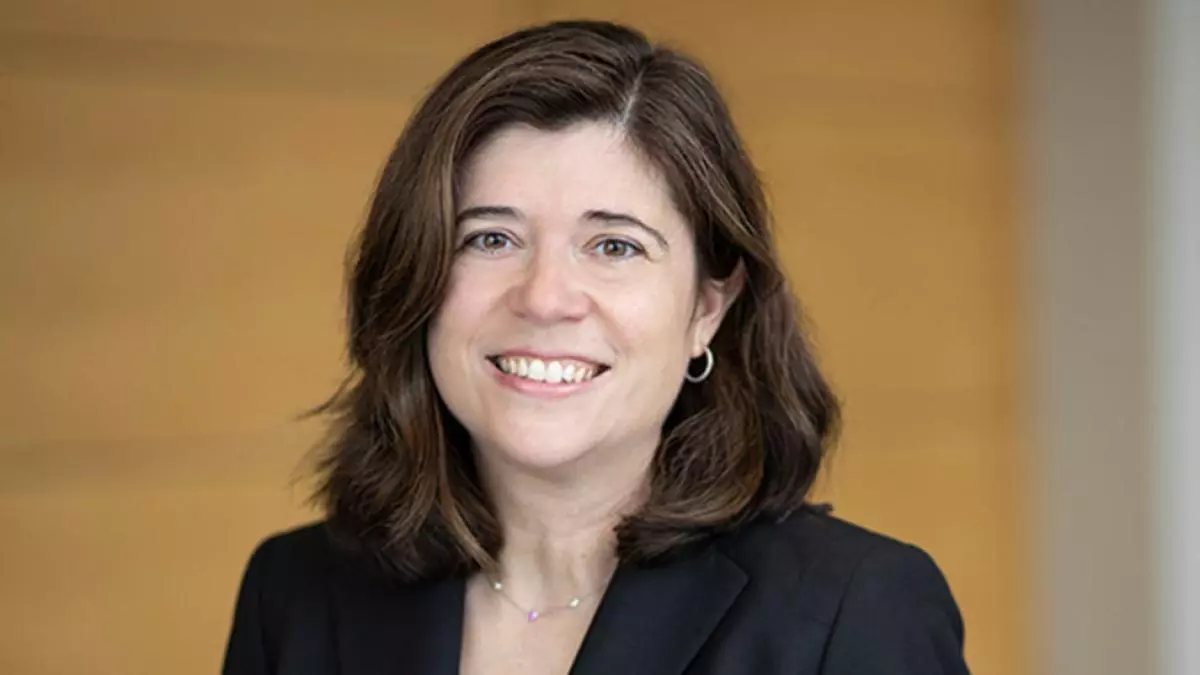
Professor Emily Gold Waldman has been awarded the 2026 Goettel Prize for Faculty Scholarship.

If you or someone you know has experienced sexual violence, harassment, stalking, or relationship violence, support is available at Pace. Learn about confidential resources, reporting options, and where to find help on your campus.