


Pace University News
Pace Now

-
-
 AnnouncementsSeptember 22, 2026
 -
 AnnouncementsSeptember 22, 2026
Top Media Mentions


Latest News
In the Media
Lubin School of Business Dean Ajay Khorana writes a piece in The EDU Ledger exploring why business schools are becoming more essential in the age of artificial intelligence. Khorana explains that today's students are part of a "Founder Generation," developing the entrepreneurial mindset, judgment, and leadership skills needed to create value in a rapidly changing economy.
August 7, 2026
The EDU Ledger
In the Media
Haub Law Professor Bennett Gershman joins Bloomberg Law's UnCommon Law podcast to examine how the U.S. Department of Justice makes charging decisions, discussing prosecutorial discretion, selective prosecution, and the importance of preserving the Justice Department's independence from political influence.
July 2, 2026
Bloomberg Law
In the Media
Lubin School of Business Dean Ajay Khorana shares his perspective in University Business on the enduring value of human relationships in an AI-driven economy. Dean Khorana explains that while artificial intelligence is transforming the workplace, mentorship, trust, alumni networks, and meaningful personal connections remain essential to innovation, leadership, and long-term career success.
July 2, 2026
University Business

In the Media
In Newsweek, Haub Law Professor Bennett Gershman explains why ending birthright citizenship would require a constitutional amendment rather than legislation and weighs in on a Supreme Court ruling that expands federal authority over lawful permanent residents returning to the United States.
July 2, 2026
Newsweek

In the Media
Dyson Political Science Professor Laura Tamman provides political analysis to Newsweek on New York City's Democratic primary, explaining why Rep. Dan Goldman's political positions have increasingly diverged from voters in his congressional district— and Yahoo News has the story.
July 2, 2026
Newsweek
In the Media
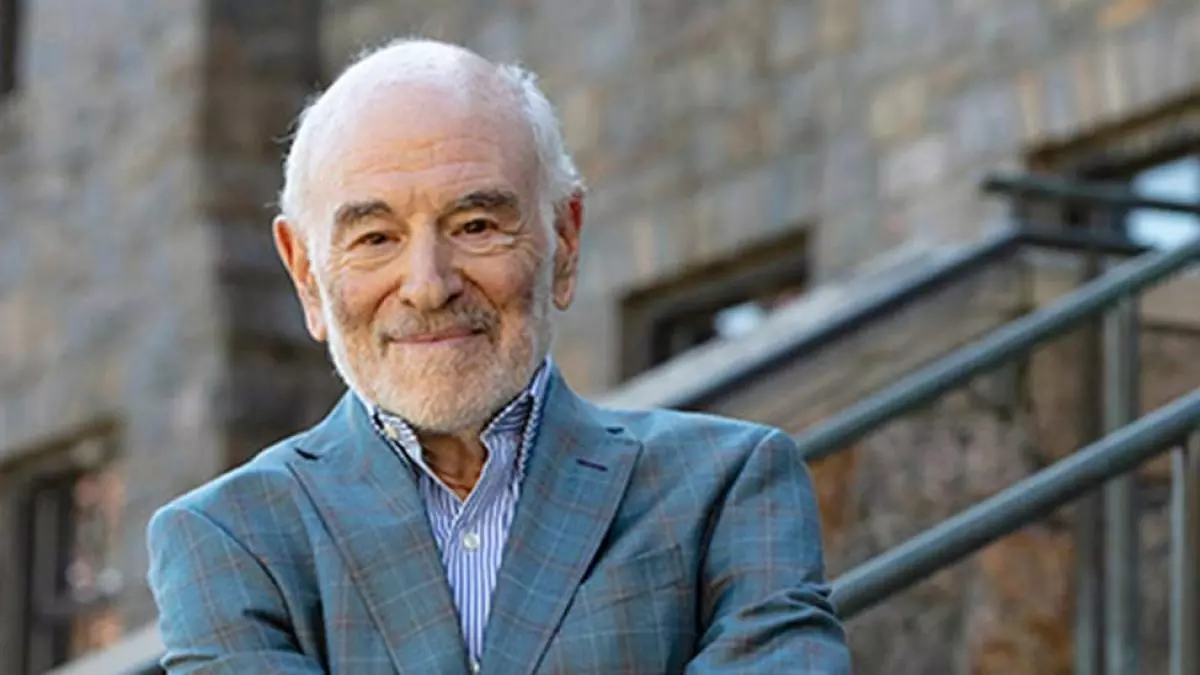
Haub Law Professor Bennett Gershman authors an op-ed in amNewYork, analyzing why Luigi Mangione's defense team abandoned its "extreme emotional disturbance" defense.
July 2, 2026
amNY
In the Media
Dyson Professor Melvin Williams speaks with USA Today about the first trailer for Shrek 5, explaining how Fiona's slimmer appearance reflects longstanding gender expectations surrounding aging and body image in popular culture.
July 2, 2026
USA TODAY
In the Media
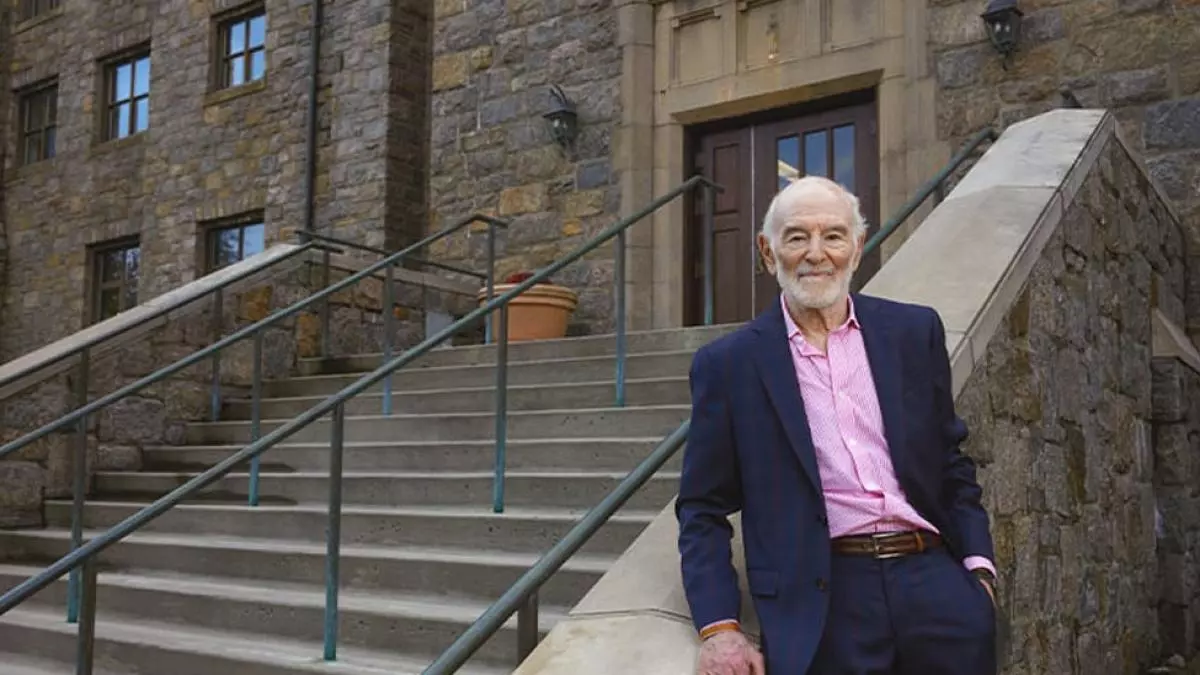
Pace University law professor Bennett Gershman described the ruling as "a huge enlargement of the border authorities' ability to stop lawful immigrants from coming into the country. "He said the decision grants officials "huge power to stop them, to question them, to detain them," warning that border officers now possess extremely broad discretion when evaluating returning permanent residents. Gershman added that lawful permanent residents traveling abroad "really have to be wary now of what their rights are," because they may face heightened questioning, detention, or removal proceedings upon return.
July 2, 2026
Newsweek

In the Media
Dyson Philosophy Professor James Brusseau is featured in Machine for new research introducing "acceleration AI ethics," a framework proposing that innovation itself can generate the tools needed to manage the risks of artificial intelligence. Rather than viewing safety and innovation as competing priorities, Professor Brusseau suggests that responsible technological advancement can help solve the very challenges it creates.
July 2, 2026
Machine

In the Media
Dyson History Professor Joseph Tse-Hei Lee examines what Taiwan can learn from Hong Kong's transformation in an op-ed for the Taipei Times. Professor Lee explores how Hong Kong has remained a global financial center despite declining political freedoms, encouraging Taiwan to view the territory as a cautionary example while emphasizing the importance of democratic institutions and civil liberties.
July 2, 2026
Taipei Times