Image
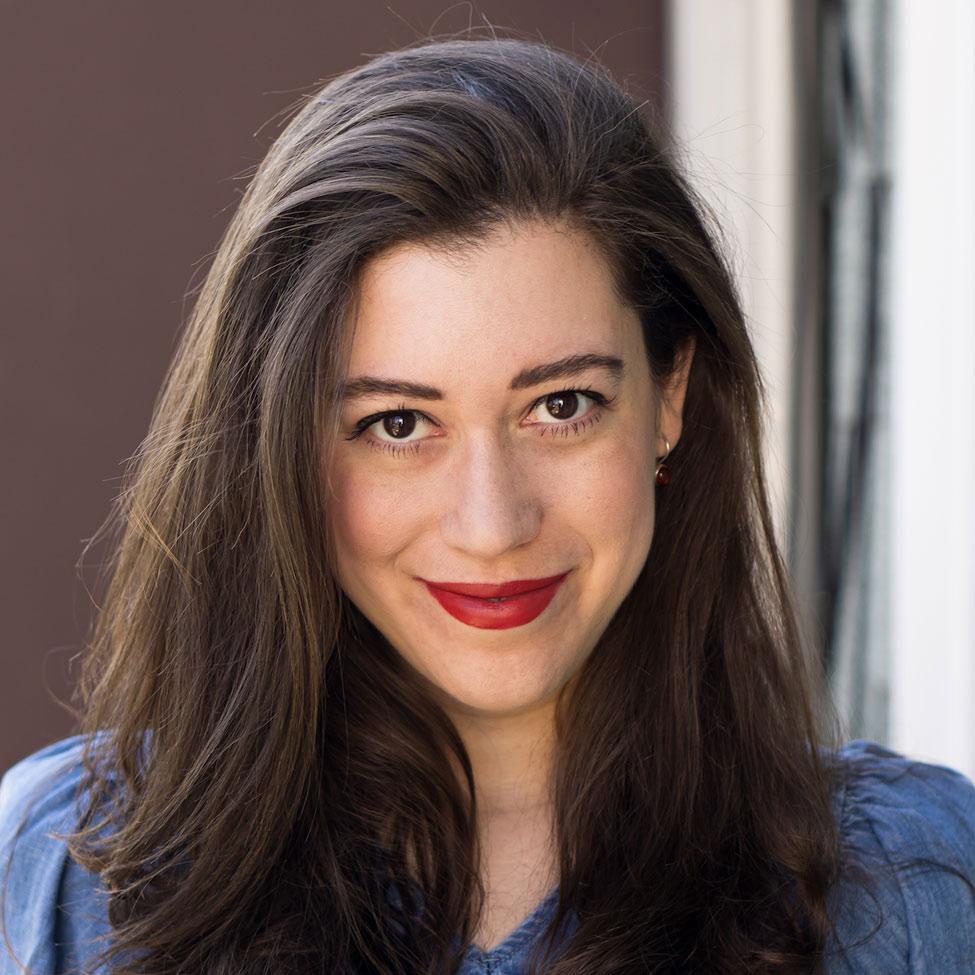
Adjunct Professor of English Carlie Hoffman, MFA, received a 2024 National Jewish Book Award for her poetry collection entitled When There Was Light.
Hoffman was awarded the Berru Award in Poetry in Memory of Ruth and Bernie Weinflash. Now in its 73rd year, the National Jewish Book Awards is a prestigious and long-running program of the National Jewish Council. This year, more than 100 judges reviewed over 650 submissions.
When There Was Light is Hoffman’s second published poetry collection, following her debut This Alaska, and explores themes of identity, heritage, family, and loss.
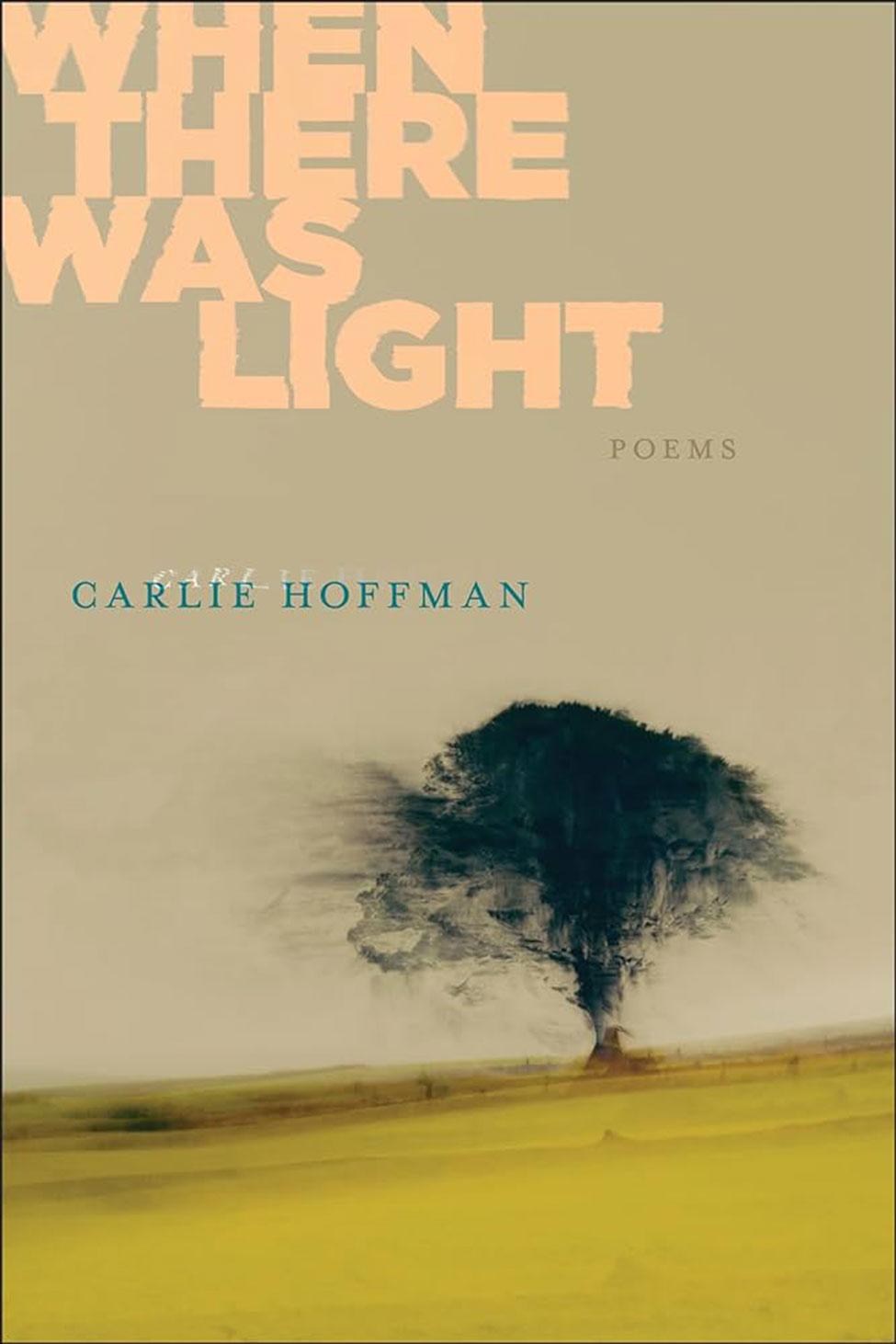
“Carlie Hoffman’s When There Was Light shows a mastery of thinking through language,” said Sean Singer, National Jewish Book Award judge. “When There Was Light adds to Jewish poetics not only in its subjects, but in its system of thought: an area of doubts, wishes, and possibilities.”
Hoffman won a Northern California Publishers and Authors Gold Award in Poetry for This Alaska and was a finalist for the Foreword INDIES Book of the Year Award. She’s also received a 92Y/Discovery Prize and an Amy Award from Poets & Writers.

From studying disease at the molecular level to exploring the ecosystems in our own backyards, two Pace University professors are helping undergraduate students turn curiosity into meaningful research. Meet the 2026 Faculty Undergraduate Research Mentor Award recipients.

How much freedom are we willing to sacrifice in the name of security? As facial recognition and AI-powered surveillance expand worldwide, Political Science Professor and Chair Amy Freedman, PhD, examines what the rise of digital monitoring in Southeast Asia reveals about democracy, individual rights, and the growing power of governments to watch and control their citizens.

Decades of research at Pace’s Haskins Labs helped pave the way for a lifesaving treatment for sleeping sickness with far-reaching global impact.