Image
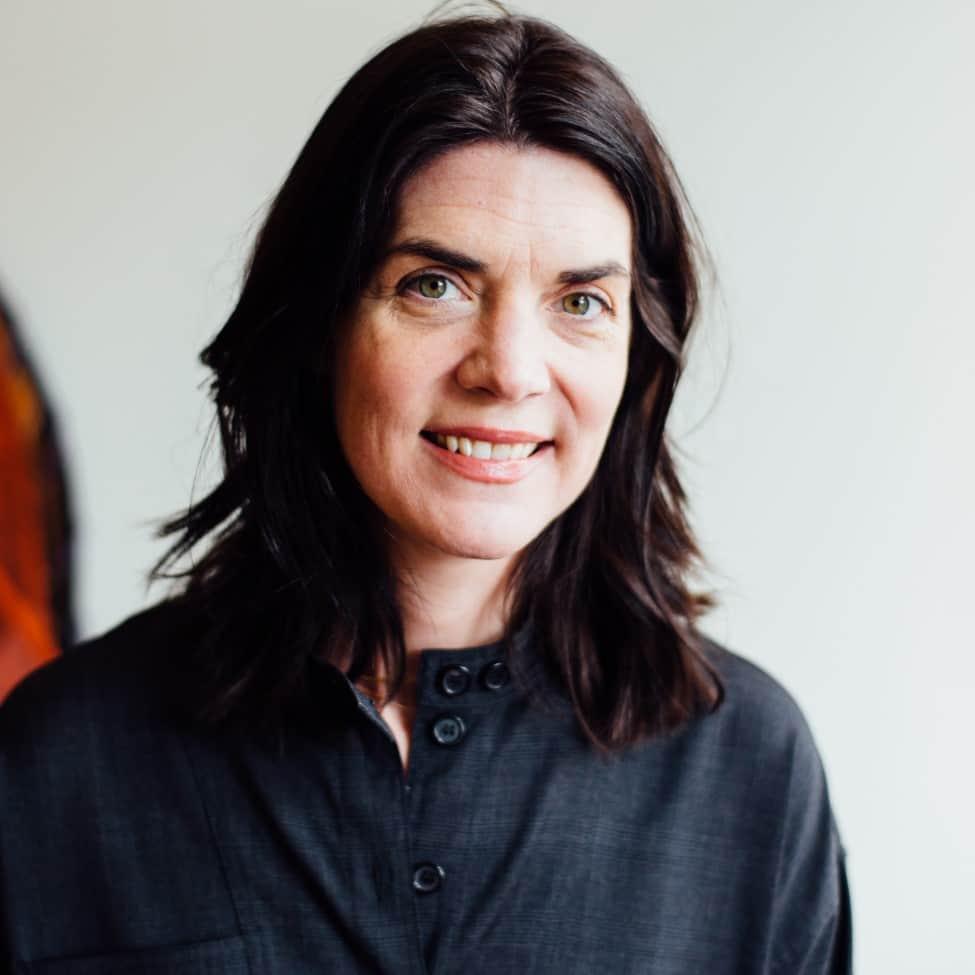
A seasoned nonprofit leader, Anne Sekula ’28 is leveraging the FLEX JD program to pursue a long-held goal—using the law to advance policy, support communities, and create lasting change.
For Anne Sekula, the decision to pursue a law degree was shaped by a lifetime of service, resilience, and a deep commitment to justice. Growing up on a dairy farm in rural Virginia as the youngest of seven girls, Anne was raised in a family that valued education and hard work. While most of her siblings became teachers and her mother put her own career on hold to raise seven children, education remained a priority. “I was always interested in justice, but didn’t think I could afford to attend law school,” Anne reflects.
After college, Anne built a career rooted in service—first as a social worker supporting single mothers and children experiencing homelessness, and later in the nonprofit and philanthropic sectors. She went on to earn a Master’s in Education from Harvard and spent years working on issues ranging from education reform to workforce development and domestic violence. But over time, she found herself wanting to do more.
“I became frustrated advocating for policy and public funding and seeing well-supported, evidence-based efforts fall off legislative and philanthropic agendas,” she explains. “I realized I didn’t have the specific skill set needed to move that work forward.”
A move to New York presented the opportunity for a mid-career transition, and law school became the next step in her journey—one that would allow her to combine policy work with direct client advocacy and gain the legal tools needed to create lasting change. Haub Law’s FLEX JD program made that transition possible. At the time she applied, Anne was balancing a consulting practice, a busy family life, and significant geographic constraints. “I needed a program that gave me flexibility so I could continue working, parenting, and still spend time with my spouse—and sleep,” she says. “The Law School’s FLEX JD program allowed me to choose a mix of day and evening classes that fit my schedule, while still leaving room for family time and volunteer and research opportunities.”
Since enrolling, Anne has found the program both rigorous and manageable. “I’ve been able to take just one fewer class each semester than my full-time peers, while still dedicating about 45 to 60 hours a week to school,” she notes. “In my second and third years, I’ve also been able to limit my time on campus to just a few days a week by combining day and evening classes. Pace has made that process very seamless.”
Beyond the flexibility, Anne has fully embraced the academic and experiential opportunities available at Haub Law. She has participated in the Pace Women’s Justice Center Family Court Legal Program, gaining hands-on courtroom experience while supporting low-income clients navigating complex family law matters. She has also pursued internships aligned with her interests in public interest and reproductive justice law, including work with a law firm and as a policy analyst for a national association of governors.
Anne also joined Pace Law Review during her 2L year and will serve as Editor-in-Chief in her final year, an achievement she sees as especially meaningful for part-time students. “We are committed to making Law Review flexible enough to accommodate part-time students so they also have the opportunity to pursue scholarly work within a busy schedule,” she says.
In the classroom, Anne has found inspiration in faculty who bring real-world experience into their teaching. She notes that Professor Jessica Miles has been a particularly impactful mentor. “She had a long-term practice in family and domestic violence law and is writing the casebook on domestic violence now. Learning directly from her has been amazing.” Equally important has been the sense of community she has found among her peers, particularly through organizations like the Public Interest Law Students Organization and Older Wiser Law Students. For Anne, these connections reinforce a shared commitment to practical, community-centered lawyering.
Looking ahead, Anne hopes to build a career in reproductive justice, combining policy development with litigation to support individuals, physicians, and organizations working to ensure access to care. “I hope to become involved in litigation supporting efforts to provide safe and accessible reproductive healthcare,” she says. At the same time, she remains deeply committed to public interest work more broadly, including supporting survivors of domestic violence through organizations like the Pace Women’s Justice Center.
Reflecting on her journey, Anne offers simple but powerful advice: “You don’t need to wait 25 years to return to law school—but it’s never too late. And don’t shortcut the work. Read the cases, brief them, and build your understanding step by step.”
For Anne, the FLEX JD program has made it possible to pursue a long-held goal while continuing to balance the many roles that define her life. In doing so, she is not only building a new career, but expanding the ways she can make a lasting impact.

As the Pace Women’s Justice Center marks 35 years of advocacy, Executive Director Cindy Kanusher, JD, examines the legal obstacles facing survivors, the shortcomings of the justice system, and what it takes to help thousands of people find a path forward.

Long before she arrived at the Elisabeth Haub School of Law, Bianca Hayles ’27 knew she wanted to use the law to create meaningful change in her community.

For Joe Ruhl '90, the Elisabeth Haub School of Law was where a lifelong dream of becoming an attorney became reality. More than three decades later, his daughter, Sophie, is beginning her own legal journey at the very same institution.