Image
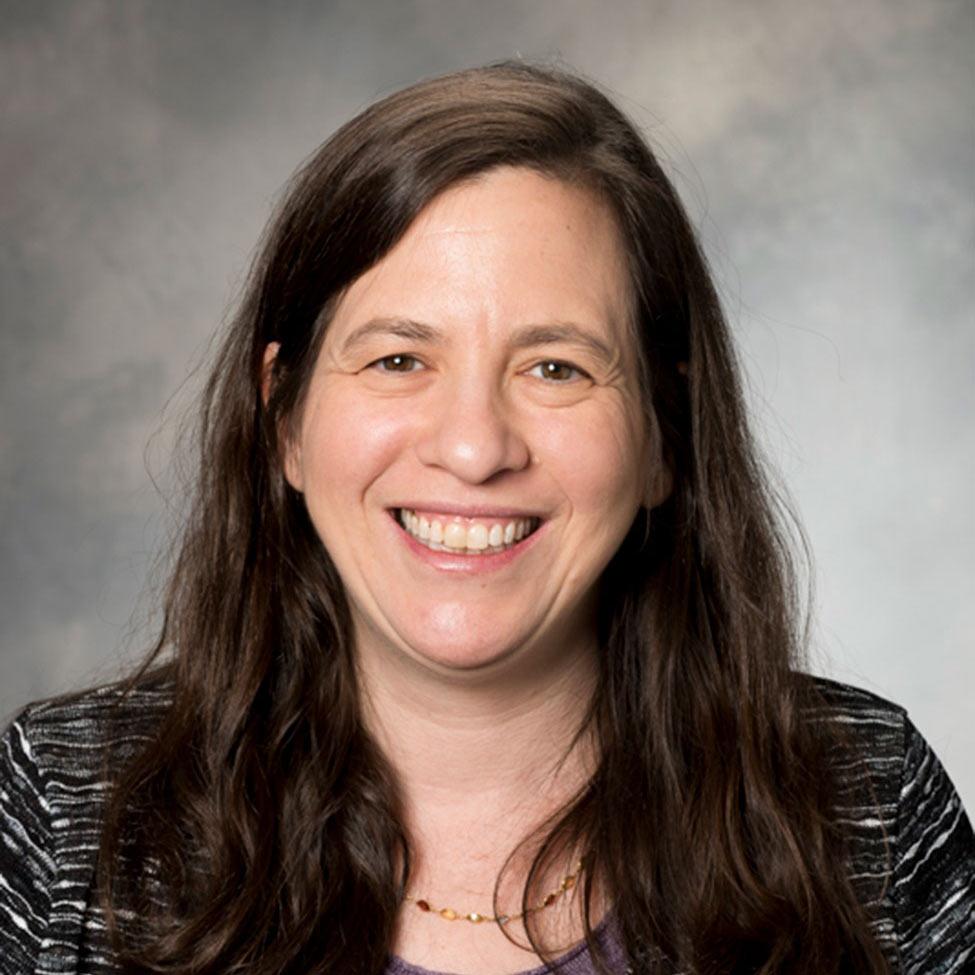
Associate Professor and Chair of the Mathematics Department on the Pleasantville campus Lisa Fastenberg, PhD, has been appointed to Pace’s Board of Trustees.
Fastenberg, who has been a member of Pace faculty since 2001 and has served as chair of the Mathematics Department since 2013, will begin a three-year term, during which she will bring a wealth of academic leadership and expertise in mathematics education to the board.
Her teaching has included the full spectrum of the mathematics curriculum at Pace, ranging from developmental to advanced courses for mathematics majors, with her research focus being the rank of elliptic surfaces in characteristic zero, a topic within the field of Number Theory.
Also active in the Pace community outside of the academic sphere, Fastenberg has served in leadership roles including co-chair of the Retention Task Force, chair of the Westchester Faculty Council Admissions and Retention Committee, and three terms on the Executive Committee of the Westchester Faculty Council.
“I am honored to join the Board of Trustees and contribute to the continued growth and success of Pace University,” said Fastenberg. “Having spent more than two decades teaching and supporting our students, I look forward to bringing the faculty perspective to the Board’s work.”

How much freedom are we willing to sacrifice in the name of security? As facial recognition and AI-powered surveillance expand worldwide, Political Science Professor and Chair Amy Freedman, PhD, examines what the rise of digital monitoring in Southeast Asia reveals about democracy, individual rights, and the growing power of governments to watch and control their citizens.

Decades of research at Pace’s Haskins Labs helped pave the way for a lifesaving treatment for sleeping sickness with far-reaching global impact.

Fall is here, and there are a few important financial aid updates to keep on your radar. From filing your 2027–2028 FAFSA to understanding new federal student loan rules, here’s what undergraduate students and families need to know.