Image
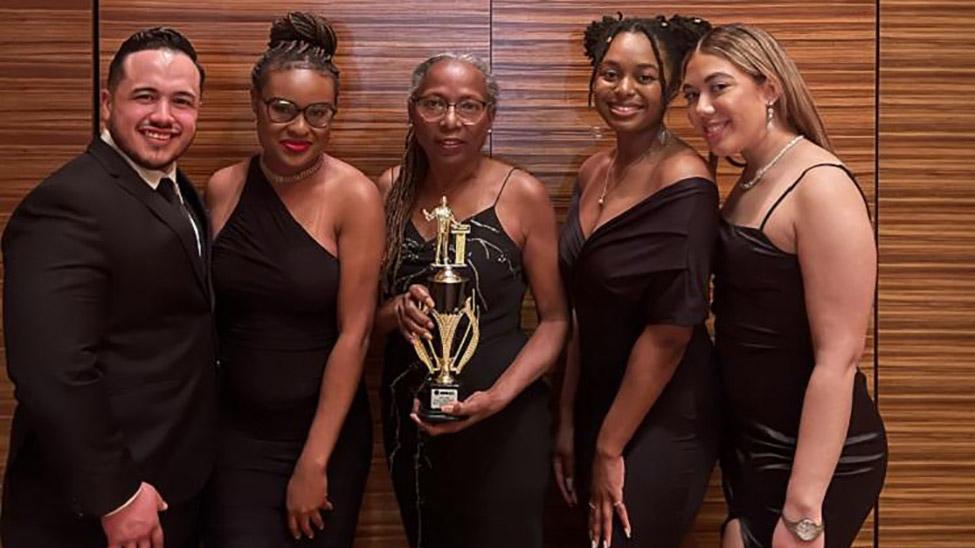
The Pace BLSA Mock Trial team attended the 54th Northeastern Black Law Students Association Convention and placed first in the 2022 Constance Baker Motley Mock Trial Competition. In four back-to-back rounds, the Mock Trial team edged out multiple law schools in the Northeast region. This year’s team included students Laura Felix, Nechelle Nicholas, Juan Rodriguez, and Naja Williams. Professor Betty Lewis coached the team. For months, a shadow team prepped alongside the competition team, consisting of students Katherine Boyd, Idalis Davis, Derek Segars, Aaliyah Smith.
Competitor Nechelle Nichols stated, “We have been preparing vigorously for the past four months and honed our trial skills. Every single team member stepped up to the plate, and that is what ultimately allowed us to think quickly on our feet, sharpen our acting skills, make multiple changes to our strategy, and deliver passionate arguments. Placing first in the Northeastern region in a competition named after a trailblazer who we each aspire to be like, and moreover, being a part of a convention which brought Black law students together was a true honor.”
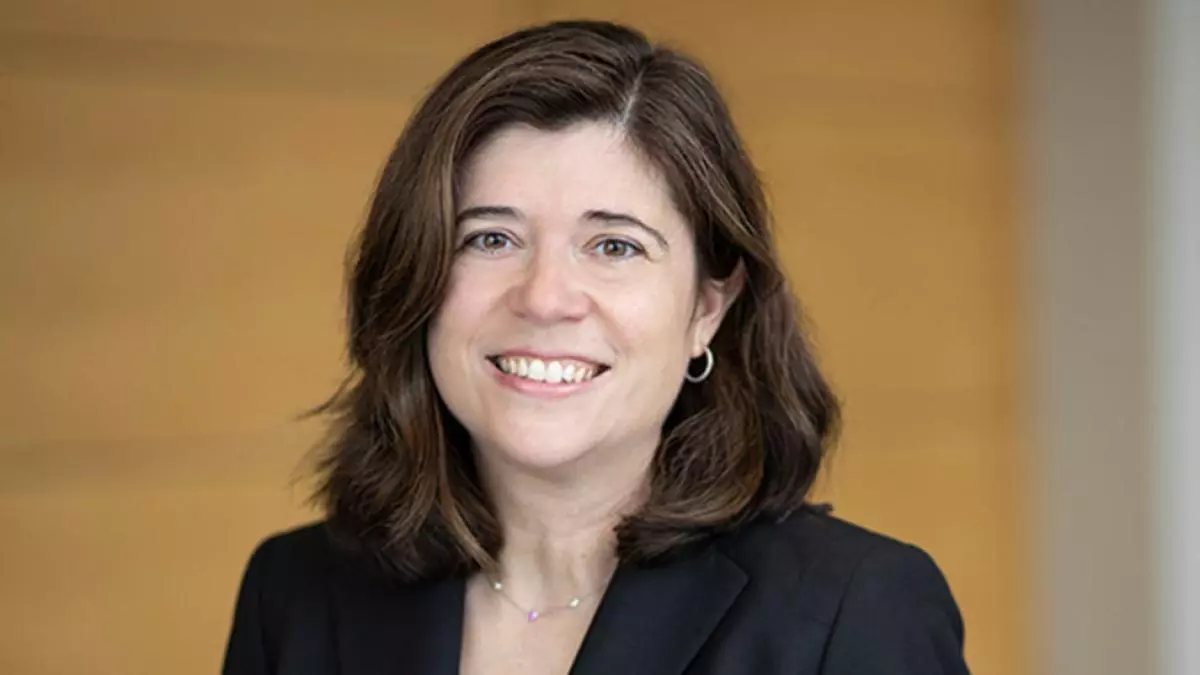
Professor Emily Gold Waldman has been awarded the 2026 Goettel Prize for Faculty Scholarship.

Haub Law launches the Environmental Law Fifty Fund to support innovative research, scholarship, and collaboration among junior environmental law scholars.

The Elisabeth Haub School of Law is proud to announce that the 2026 Elisabeth Haub Award for Environmental Law and Diplomacy will be jointly awarded to environmental lawyers Alfred Lahai Gbabai Brownell Sr. and Durwood Zaelke for their groundbreaking contributions to the progressive development of environmental law and their decades of leadership advancing environmental justice, climate action, and environmental governance around the world.