
Academics and Programs
Explore how the education of a counselor and psychologist differs, with insights on career paths, licensure, and finding the right fit for your goals.
Discover the differences between school psychologists and school counselors, from education requirements and licensure to salary expectations and daily responsibilities. This guide compares both career paths side by side, with New York State certification details and New York City compensation data, to help prospective graduate students choose the role that fits their strengths and professional goals.


Pursuing a career in education and mental health offers the chance to make a meaningful difference in the lives of students. Whether you're considering how to become a school psychologist or counselor, it’s important to understand the unique opportunities each role provides. For those driven to make an impact, these careers are ideal for embracing challenges and creating lasting change in the lives of others.
In this post, we’ll break down the key differences to help you decide which career aligns with your goals and passions.
School psychology is a field dedicated to supporting students' emotional, social, and academic well-being through psychological expertise and tailored interventions. School psychologists address a wide range of mental health and learning needs, providing critical assessments and developing strategies to help students thrive.
Using psychological evaluations and collaborative methods, school psychologists work with teachers, parents, and administrators to create effective support systems. Their responsibilities include identifying learning disabilities, addressing behavioral challenges, and providing crisis interventions. They are also key contributors to special education placements, designing individualized education plans, and implementing school-wide mental health initiatives.
If you’re inspired to pursue this career path, Pace University offers a variety of programs tailored to aspiring school psychologists:
School counselors play an essential role in fostering students' academic success, personal growth, and future readiness. They provide guidance tailored to individual needs, helping students overcome emotional challenges, navigate academic decisions, and set career goals.
Unlike school psychologists, who often focus on psychological assessments and intervention, school counselors emphasize direct interaction with students. This includes one-on-one counseling, group workshops, and classroom lessons on topics such as emotional regulation, study strategies, and college planning.
For those interested in this career path, Pace University’s Master of Science in Mental Health Counseling offers a comprehensive curriculum designed to prepare students for licensed counseling roles in clinical and community settings. With its emphasis on hands-on training, small class sizes, and one-on-one faculty mentorship, the program ensures graduates are equipped to excel in diverse counseling environments. Students gain field experience through internships at institutions such as NewYork-Presbyterian Hospital and Montefiore Einstein Medical Center. Graduates of this program are eligible for New York State licensure in mental health counseling (LMHC). Those interested specifically in New York State School Counselor certification should consult with Pace's admissions team about additional requirements.
Both school psychologists and school counselors dedicate their careers to empowering students, but they do so through unique approaches that reflect their specialized skills and training. Whether you’re drawn to understanding the complexities of the human mind or helping students achieve personal and academic milestones, understanding the following differences can help you choose the right path.
For school psychologists, advanced degrees are often essential to meet the demands of the role. Many start with a bachelor’s degree, which provides foundational knowledge, but most professionals pursue a specialist-level (EdS), master’s, or doctoral (PhD or PsyD) degree. Advanced studies not only deepen understanding but also enhance a candidate’s qualifications, helping them stand out for specialized roles.
School counselors typically pursue a master’s degree in counseling to develop the skills needed for academic, emotional, and career guidance. While some begin their careers with a bachelor’s degree, earning a master’s degree enhances their qualifications and equips them for leadership opportunities and to address more complex student needs.
Both career paths offer flexibility in educational entry points, but pursuing advanced degrees can provide the expertise needed to transform students’ lives and achieve long-term career success.
Licensure requirements for school psychologists and school counselors can vary by state, and New York has specific pathways to certification for both professions.
In New York, school psychologists with a State Education Agency (SEA) credential can work in various settings, including public and private schools, approved preschool programs, and state agencies. However, practice outside of "exempt" settings requires a separate psychologist license under Article 153 of New York's Education Law.
Licensure as a psychologist in New York requires:
Beginning February 2, 2023, New York transitioned to the Initial and Professional School Counselor Certificates. Here are the latest state requirements for school counselors:
For school psychologists, each day involves solving puzzles of the mind—conducting assessments, designing interventions, and providing critical support for students with unique challenges. School counselors focus on being mentors and motivators, offering individual and group counseling, leading workshops, and empowering students to navigate their academic and personal journeys. Both roles are grounded in purpose, with the intention of making a measurable difference in students’ lives.
School psychologists thrive in collaborative settings, working with teachers, administrators, and sometimes outside specialists to support at-risk students. School counselors excel in direct connections with students, fostering trust and providing guidance that inspires growth and success.
Both careers offer rewarding futures, but salary expectations and demand vary by location. Nationally, school psychologists earn a median salary of $94,310, while school counselors earn $65,140.
In New York City, pay expectations reflect the cost of living and demand for these roles. School psychologists in the city earn an average annual salary of $151,000, and school counselors earn an average annual salary of $86,000. These figures highlight the potential for competitive compensation in one of the country’s most vibrant and diverse urban centers.
| School Psychologist vs. School Counselor Two Careers, One Goal: Empowering Students to Succeed | ||
|---|---|---|
| School Psychologist | School Counselor | |
| Education Requirements |
|
|
| Licensure and Certifications |
|
|
| Core Responsibilities |
|
|
| Work Environment |
|
|
| Salary and Job Outlook |
|
|
Although school psychologists and school counselors share a commitment to supporting students, their daily routines reflect the unique focus of each role. The overview below provides a snapshot of what a typical day might look like in these impactful professions.
| School Psychologist | |
|---|---|
| Time | Activity |
| Morning | Conduct psychological assessments and observe students for learning or behavioral challenges. |
| Mid-day | Meet with teachers to discuss student progress and adjust intervention plans as needed. |
| Afternoon | Provide crisis intervention and collaborate with external mental health professionals when needed. |
| School Counselor | |
|---|---|
| Time | Activity |
| Morning | Meet with students for academic or personal guidance. Lead group sessions on study skills or emotional regulation. |
| Mid-day | Consult with parents on student progress. Assist students with course selection or college planning. |
| Afternoon | Participate in meetings with teachers or administrators to discuss student needs and progress. |
Choosing between a career as a school psychologist or a school counselor comes down to your passions, strengths, and long-term goals. Each path offers unique opportunities to make a difference in students’ lives.
Both careers allow you to play a pivotal role in students’ lives. The choice comes down to the kind of impact you want to make and the skills you wish to develop.
Understanding the key differences between school psychologists and school counselors is the first step toward choosing a career that aligns with your passions and goals. Both roles offer the chance to make a meaningful impact on students’ lives, whether through psychological expertise or direct mentoring and guidance.
Pace University offers a range of graduate-level programs to help you succeed:
Take the next step toward your future by exploring these programs and learning more about how Pace University can support your goals. Reach out to our dedicated team of advisors and learn how you can shape a fulfilling career in education and mental health.
School psychologists focus on psychological assessments, behavioral interventions, and special education planning, while school counselors provide personal, academic, and career guidance directly to students.
Most school psychologists earn a specialist-level (EdS) or doctoral (PhD or PsyD) degree in school psychology.
While the median pay for a school psychologist in the New York metro area is $151,000, experienced school psychologists in specialized roles or leadership positions can earn over $190,000 annually.
Yes, school counselors are trained to provide emotional and social support, making them essential mental health professionals in the school setting.
Most school counselors hold a master’s degree in counseling or a related field.
Explore how the education of a counselor and psychologist differs, with insights on career paths, licensure, and finding the right fit for your goals.

From undergraduate research to doctoral study, Tinuade McClish ’23 turned her passion for psychology into a clear path forward. Through faculty mentorship, hands-on research, and a close-knit campus community, Pace University helped launch her journey to a PhD.

From a young age, James Kennedy ’24, BA in Personality and Social Psychology, had been curious about how things work. But he soon he realized that it was human interactions, emotions, and social environments that fascinated him the most.
Pace Seidenberg students tested their cybersecurity skills at the 2026 Northeast Collegiate Cyber Defense Competition.


Students from Pace University's Seidenberg School of Computer Science and Information Systems recently traveled to Lowell, Massachusetts, to compete in the Northeast Collegiate Cyber Defense Competition (NECCDC), where they put their cybersecurity skills to the test against some of the region's top collegiate teams.
Part of the National Collegiate Cyber Defense Competition, NECCDC brings together teams from colleges and universities across the Northeast to defend enterprise networks against a professional Red Team of penetration testers and ethical hackers. During the competition, each school’s eight-person Blue Team is tasked with protecting critical systems and services while responding to simulated cyberattacks that mirror the challenges faced by today's cybersecurity professionals.
This immersive experience isn't just a competition; it equips [students] for wherever their cybersecurity journey takes them.
For Seidenberg students, the competition offered an opportunity to put months of preparation into practice. This year's team competed against nine other colleges and universities from across the region, continuing Pace's streak of qualifying for the regional competition for the fourth consecutive year.
"When our students step into the Blue Team room for the NECCDC competition, they transform into cyber defenders," said Seidenberg cybersecurity professor Joe Acampora. "The pressure they feel, the trust they share, and the techniques they master here are nothing short of what professionals in the field face on their craziest days. This immersive experience isn't just a competition; it equips them for wherever their cybersecurity journey takes them."
Acampora emphasized that he is especially proud of the team's dedication and preparation. "I am proud to coach such a dedicated team—students who have learned and trained through busy semesters to qualify for our regional competition four consecutive years," he said.
This competition gave me real-world experience in cybersecurity that goes far beyond the classroom.
For Seidenberg student Nicolas Rossi, competing in NECCDC provided an opportunity to build confidence while experiencing cybersecurity in a way that extends beyond the classroom.
"During my first NECCDC, I was excited yet nervous about whether I truly knew what I was doing," Rossi said. "With the support of my team and the experience from qualifiers, I quickly learned what to look for and how to prepare. Regionals were even more intense, but also more rewarding."
He added that the competition helped prepare him for a future career in cybersecurity. "This competition gave me real-world experience in cybersecurity that goes far beyond the classroom. Programs like NECCDC are extremely valuable for preparing students to enter the cybersecurity workforce, and I am very excited to compete again next year."
Returning competitor Daisy Molina said the experience strengthened her technical knowledge, as well as the communication and teamwork skills that cybersecurity professionals rely on every day.
"This being my second in NECCDC I am confident in saying that I am extremely glad I am part of the team," Molina said. "It has given me the opportunity to apply real world skills and learn how to work in a team. Not only is NECCDC great for growing your technical skills but it builds the soft skills of communication and collaboration."
Seidenberg's continued participation in competitions like NECCDC reflects the school's broader commitment to preparing the next generation of cybersecurity professionals. Designated by the National Security Agency (NSA) and the Department of Homeland Security (DHS) as a Center of Academic Excellence in Cyber Defense Education, Seidenberg pairs nationally recognized academic programs with hands-on experiences like NECCDC and training in its state-of-the-art cyber range, where students can safely practice defending networks against real-world cyber threats. Together, these opportunities prepare graduates with the technical expertise and practical experience needed to succeed in an increasingly complex cybersecurity landscape.
NIH-funded researcher Belinda Anderson, PhD, MA(Ed), LAc, has spent her career building connections among modern biomedical science, acupuncture, clinical care, and evidence-based medicine.


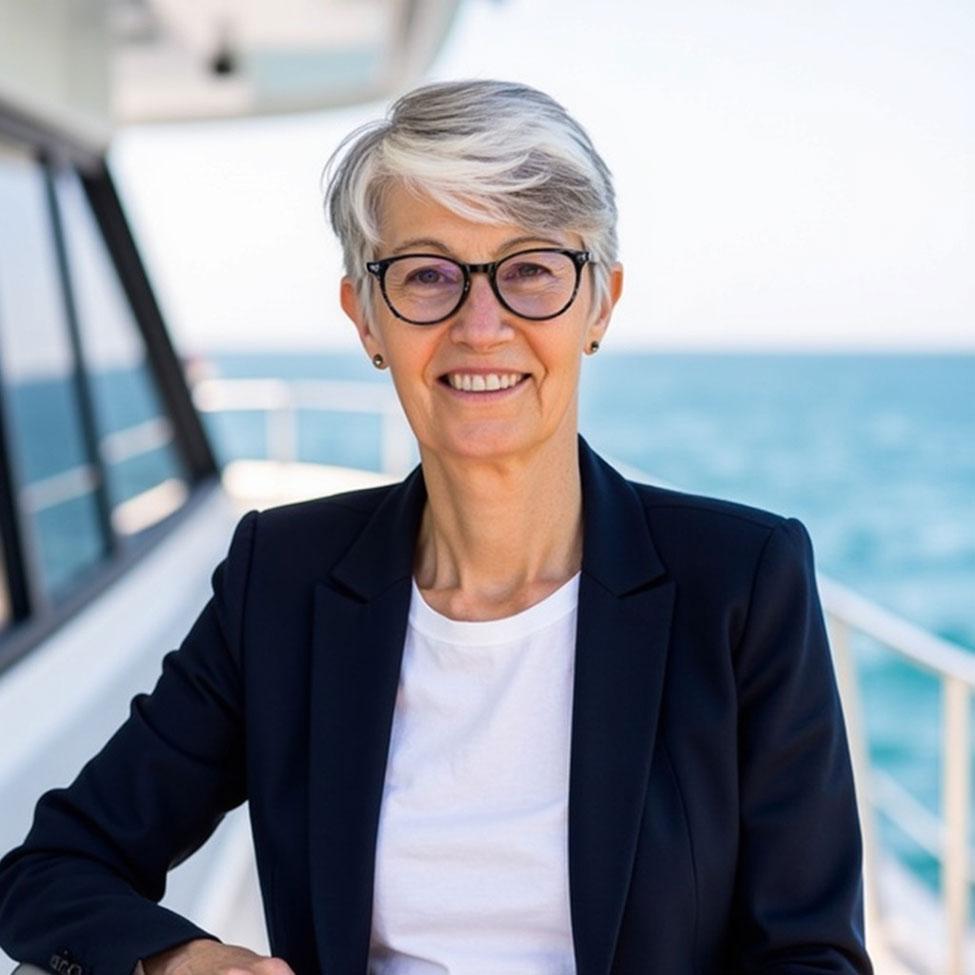
Belinda Anderson, PhD, MA(Ed), LAc, began her career as a molecular biologist. But even as she studied the mechanisms of modern science, she remained curious about questions that biomedicine alone could not always answer.
“I always had the feeling that science wasn’t the whole story,” says Anderson, associate dean and professor of allied health in Pace University’s College of Health Professions.
That curiosity led her to Chinese medicine, a field she had encountered personally through acupuncture and herbal treatments. While continuing her work as a scientist, she pursued a master’s degree at the Massachusetts College of Pharmacy and Health Science’s New England School of Acupuncture and became a licensed acupuncturist.
Her career since then has been defined by integration: connecting ancient healing practices with modern research, clinical care, and health education.
Anderson has participated in acupuncture clinical trials, studied how acupuncture can be implemented in community-based clinics, and helped clinicians incorporate research and evidence-based medicine into their practice. More recently, her work has examined real-world clinical evidence drawn from electronic health records.
Unlike a traditional clinical trial, which studies a treatment under tightly controlled conditions, real-world research can reveal how acupuncture is delivered across different practices and patient populations. Researchers can examine anonymized records to understand how patients with conditions such as chronic pain respond to treatment, how clinicians make decisions, and how symptoms change over time.
Anderson also serves as a consultant on an NIH-funded study examining acupuncture access, utilization, and outcomes among Medicare beneficiaries with chronic lower-back pain. The project addresses a significant gap in care. Although Medicare began covering acupuncture for chronic lower-back pain in 2020, only acupuncture delivered under supervision within a health system clinic can be reimbursed because licensed acupuncturists cannot directly bill Medicare and around 80% of licensed acupuncturists work in private practices. This significantly limits the ability of seniors to access acupuncture treatment.
“The common language for healthcare is, ‘Show me the evidence,’” she says. “Any therapeutic intervention that has evidence from scientific studies to be beneficial should be considered for patients.”
For Anderson, the project represents how far acupuncture has come—and how far the healthcare system still needs to go.
Thirty years ago, she says, many colleagues viewed acupuncture with deep skepticism. Moving from molecular biology into Chinese medicine meant going “from being a professional who was respected to being someone who people thought was a quack.”
Today, acupuncture is increasingly incorporated into hospitals, medical centers, and multidisciplinary treatment plans. Physicians regularly refer patients for care, and a growing body of research supports its use for a wide range of different conditions beyond just pain.
Yet access remains uneven. Many patients cannot afford treatment because insurance coverage is limited, while some clinicians remain reluctant to recommend therapies they do not fully understand.
Anderson believes the best response to skepticism is evidence.
“The common language for healthcare is, ‘Show me the evidence,’” she says. “Any therapeutic intervention that has evidence from scientific studies to be beneficial should be considered for patients.”
“The goal of being a clinician is to help patients heal, be well, and live full and satisfying lives,” she says.
That philosophy also shapes her clinical work. A licensed acupuncturist since 2004, Anderson specializes in women’s health and fertility. From 2009 to 2018, she practiced at the New York University Fertility Center, working alongside reproductive endocrinologists and treating patients undergoing assisted reproductive procedures, including in vitro fertilization.
The collaboration offered a powerful example of integrative medicine: different healthcare traditions working together according to their strengths.
Modern biomedicine is indispensable for emergencies, serious illnesses, and life-threatening events, Anderson explains. Complementary therapies offer additional support for chronic pain, reproductive health concerns, digestive conditions, mental health challenges, and other long-term conditions.
“The goal of being a clinician is to help patients heal, be well, and live full and satisfying lives,” she says.
Anderson has taken this mentality of collaboration and healing and translated it into the Pace classroom, working directly with many master level programs. Most recently as a guest lecturer for the Occupational Therapy, MS program, she introduced students to traditional Chinese medicine as a complementary health approach and its role in supporting health, wellness, and healing.
“The goal wasn't to teach students how to perform acupuncture, but rather to help them understand when it may be an appropriate recommendation for clients and how it can complement occupational therapy (OT) services” explained Clinical Assistant Professor Alison Rebels, OTD. “Dr. Anderson’s lecture gave students a chance to learn about collaborating with other healthcare professionals and explore career pathways for OTs who may be interested in pursuing additional training or dual credentials in acupuncture.”
Students were also given the chance to experience auricular acupuncture first hand using a protocol with needles in the ear, meant for stress relief.
Beyond Pace, Anderson serves on the board of the National Certification Board for Acupuncture and Herbal Medicine, as deputy editor of Explore: The Journal of Science and Healing, and as co-chair of the Research Working Group of the Academy of Integrative Health and Medicine.
Across those roles, her mission remains consistent: evaluate treatments rigorously, educate clinicians, expand access, and build a healthcare system in which evidence and patient needs matter more than whether a therapy was once considered conventional or alternative.

From celebrating 120 years of Pace pride to earning national recognition, launching new centers, advancing sustainability, and empowering students to lead, this semester offered 10 inspiring reminders of Pace’s momentum—and the community driving it forward.

Through research, teaching, and interdisciplinary collaboration, Pace faculty from Dyson College and the College of Health Professions are helping students understand human trafficking as a complex human rights issue—one that demands knowledge, compassion, and care.

From virtual patients to real-world readiness, students are training in high-stakes scenarios before they ever enter a clinic. Nancy Owen reveals how AI is reshaping that experience at Pace’s Center for Excellence in Healthcare Simulation.
Discover how Pace students tackled real-world AI challenges during an immersive internship experience at Seidenberg.


Pace University's Seidenberg School of Computer Science and Information Systems recently concluded its 2026 AI Internship Experience, an immersive two-week program that gave students the opportunity to apply artificial intelligence to real-world challenges while exploring the technology's growing impact across industries.
Created by Christelle Scharff, PhD, and now entering its third year, the program was led this summer by Seidenberg computer science professor Matthew Ganis. Bringing together students from both the New York City and Pleasantville campuses, the internship combined collaborative projects, faculty mentorship, and conversations with industry professionals while challenging students to think beyond the classroom and emphasizing the responsible use of artificial intelligence. Hosted on the Pleasantville Campus for the first time, the program also gave students the opportunity to build connections with fellow Seidenberg students from across the University.
The cross-campus collaboration is a big part of the experience.
"I think that's an important aspect of it as well, meeting your fellow Seidenberg students," Ganis said. "The cross-campus collaboration is a big part of the experience."
Throughout the internship, students strengthened both their technical abilities and critical thinking skills by tackling real-world AI challenges in teams. Rather than providing step-by-step instructions, the program encouraged students to embrace uncertainty and solve problems the way they would in a professional setting.
"Nobody gives you the directions when you're in a real internship," Ganis said. "You just have to figure it out."
Working together, students developed AI-powered solutions while learning how emerging technologies can address practical challenges. The program culminated in final presentations showcasing the projects they built and the skills they developed over the course of the internship.
Brianna Ganesh ’28, a computer science major from Trinidad and Tobago, said that "this internship has shown me not to be afraid of AI, but to be part of the wave of AI—to make changes instead of being fearful of it." She added that "AI can be an assistant or a tool rather than a weapon against me. That's really important to understand."
As one of the program highlights, students visited IBM's Think Lab in Yorktown Heights, where they explored one of the company's premier research facilities dedicated to artificial intelligence, quantum computing, and the future of computing. The visit connected concepts introduced throughout the internship with cutting-edge industry research, giving students a firsthand look at how AI is transforming industries around the world.
Being able to understand [AI] and incorporate it into my work and my studies is going to be really beneficial.
"One thing I'm taking away from this internship is learning how to use AI more efficiently and having it help me solve everyday problems," said Lucio DiGiacomo '29, a first-year cybersecurity major from White Plains. "I want to be a software developer, and I know these skills are going to help me throughout my career."
For first-year computer science major Andres Arroyave '29, the program reinforced AI's growing role as a collaborative technology. "I think AI is becoming more of an assistant and more of a friend to users and workers alike. Being able to understand it and incorporate it into my work and my studies is going to be really beneficial,” he said.
For Ganis, those experiences are exactly what the internship is designed to provide. “Quite honestly, I view my sole job as to help you, the student, get a job," he said. "My goal is to help students put something on their resume that allows them to be looked at longer than the other resumes. I can't get a job for you. But what I can do is give you the opportunity to talk about something you've done that's unique and gets you the interview."
With each new edition, the internship reflects Pace University's commitment to preparing students for careers in emerging technologies through experiential learning and industry engagement. By combining faculty expertise, collaborative learning, and exposure to leading technology organizations like IBM, the program equips students with the technical knowledge, ethical perspective, and problem-solving skills needed to succeed in an AI-driven workforce.
Whether he's leading an AI internship, hosting a campus barbecue, or mentoring students, Seidenberg professor Matt Ganis approaches every opportunity with one goal: helping students succeed.


Matt Ganis, DPS, wears a lot of hats at Pace University.
The Seidenberg School of Computer Science and Information Systems professor teaches, mentors, leads AI initiatives, and somehow still finds time to fire up the grill for Seidenberg's annual barbecue. After decades at IBM, the triple Pace alumnus joined the faculty full time, bringing a wealth of experience in emerging technologies. “I spent 41 years at IBM, but the hardest job I've ever had is this one,” says Ganis. “Hardest but most rewarding.”
For Ganis, the nonstop pace of campus life is part of what makes teaching so rewarding. “You think industry moves fast, but so much is going on around here,” Ganis says. “Between classes and teaching a new course, or new students coming through with questions, students seeking internships, there’s so much going on.”
At Pace you can almost choose to craft what it is you're working on.
One project fueling that energy this summer was the AI Internship Experience, an immersive program created by Christelle Scharff, PhD. This year, Ganis took the reins after Scharff led the program for its first two years. Students tackled AI challenges with guidance from industry professionals, but, as Ganis explains, "Nobody gives you the directions when you're in a real internship. You just have to figure it out." To his delight, students rose to the challenge.
Hosted on the Pleasantville Campus for the first time, the internship continued its tradition of bringing together students from both campuses. "I think that's an important aspect of it as well, meeting your fellow Seidenberg students," he says. The cross-campus collaboration continues to reflect one of the key benefits of studying at Pace: access to New York City's global industries alongside the thriving business community of Westchester.
For Ganis, those opportunities are all part of a larger mission. "Quite honestly, I view my sole job as to help you, the student, get a job," he says. "My goal is to help students put something on their resume that allows them to be looked at longer than the other resumes. I can't get a job for you. But what I can do is give you the opportunity to talk about something you've done that's unique and gets you the interview."
There really is a community here.
Helping students succeed also means creating community. "When you come to Seidenberg’s lounge in Goldstein, there's always people hanging out," Ganis says, even non-Seidenberg students. Few things capture that sense of community better than one of Seidenberg's newest traditions. After Ganis off-handedly mentioned spending the weekend smoking ribs, a student suggested bringing a barbecue to campus. He did, and the idea has become Seidenberg's annual end-of-year barbecue. "There really is a community here," he says.
Whether it's organizing a barbecue or leading an AI initiative, Ganis rarely turns down an opportunity to get involved. "Every time I do something new, I'm learning something new," he says. "The more I get involved and the more things I do, the more I learn, and the happier I become." It's a mindset that's easy to spot across Pace, where students are quick to raise their hands, embrace new challenges, and seek out new opportunities.
Ganis' impact on students hasn't gone unnoticed. This year, he received the Homer and Charles Pace Faculty Award, which recognizes a faculty member nominated by Pace alumni for inspiring students and going above and beyond to support their success. For Ganis, the recognition was especially meaningful because it came from former students. "The fact that it came from people that I had had in class previously... is very touching," he says.
I'm going to teach [students] the best I can. I'm going to be hard on them because I want them to learn.
As a triple Pace alumnus, Ganis knows the University from nearly every perspective—as a student, an adjunct, a full-time faculty member, and now one of its biggest ambassadors. That breadth of experience has given him a clear sense of what sets Pace apart. "At Pace you can almost choose to craft what it is you're working on," he says. "What kind of project do you want to work on, as opposed to following some professor's path?"
For Ganis, letting students chart their own path also means walking alongside them. At Accepted Student events, he often tells families: "You might be wondering, should I send my kid here? For four years, they're my kid," he says. "I'm going to teach them the best I can. I'm going to be hard on them because I want them to learn. But they're my kid. I care for them."
For Ganis, pushing students and caring for them have never been separate ideas. It's a belief that shapes his teaching, and in turn, the lives of the students he mentors.

Pace University appoints Li-Chiou Chen as dean of the Seidenberg School, effective July 16, 2026.

Discover how Pace Seidenberg donated laptops to Hudson Link, expanding technology access for incarcerated learners.

AI skills are in high demand, but are general AI or applied AI skills a better fit for your AI career? Here’s what you need to know about the difference between AI and applied AI degrees, their areas of study, prospective careers, and how to determine which will work better for you.
New York City is home to the Big Five publishers and hundreds of independent and specialized presses. This article maps the NYC publishing ecosystem, from major trade houses to mid-sized and indie publishers, and explains how structure, imprints, and company size shape career paths. Useful for prospective publishing graduate students and early-career candidates evaluating where and how to enter the industry.


If you’re thinking about graduate school for publishing, New York City is impossible to ignore. The city is home to the largest trade publishers in the country, a dense network of literary agencies, and a wide range of independent presses. Editorial meetings, deal negotiations, marketing strategy, and sales planning all happen here, shaping what books reach readers and how publishing careers take form.
Understanding how large publishers and independent presses operate within the same New York–based ecosystem makes the industry easier to navigate. For prospective publishing students, this knowledge informs choices about graduate programs, internships, and entry-level roles before committing time and tuition.
New York City is the central hub of U.S. publishing, with over 140 different publishing houses, according to Reedsy. Most large trade publishers base their editorial, marketing, sales, and leadership teams there, alongside a dense network of literary agencies, distributors, and media outlets. As a result, many of the decisions that shape the publishing market are made locally and often collaboratively.
Within New York, publishing work tends to cluster around a few core activities, including:
Because these functions are closely connected, teams often work across departments and companies in ways that are harder to replicate elsewhere.
For those entering the publishing industry, proximity matters. Many internships, assistant roles, and freelance opportunities are based in New York, and professional connections often form through in-person events, short-term projects, and informal networking. Book launches, industry panels, author talks, and publishing conferences occur year-round, providing students and early-career professionals with regular industry exposure.
New York is not only home to the largest publishing conglomerates. It also has the highest concentration of independent book publishers in the country, along with academic presses, children’s publishers, art and design houses, and digital-first companies. This range enables aspiring publishing professionals to see multiple business models and editorial approaches within the same city.
New York City is home to the largest trade book publishers in the world. Often referred to as the Big Five, these companies publish a significant share of all books sold in the U.S. and abroad. They shape what reaches bookstores, libraries, classrooms, and digital platforms across nearly every genre.
Major publishers do not operate as a single editorial unit. Instead, they are built around imprints, which function like smaller publishing brands within a larger company. Each imprint has its own editorial focus, voice, and audience. Business functions, such as sales, marketing operations, production systems, finance, and distribution, are typically centralized at the parent-company level.
This structure enables publishers to support a wide range of books while maintaining consistent business operations. For early-career professionals, it also means that job titles, responsibilities, and workflows can vary depending on the imprint and department.
1. Penguin Random House
Penguin Random House is the largest trade book publisher in the world. Its New York headquarters supports a vast portfolio spanning literary fiction, commercial nonfiction, children’s books, and educational publishing.
Editorial teams operate within distinct imprints, while centralized departments manage sales, marketing strategy, production workflows, and distribution. Because of its scale, Penguin Random House offers a wide range of entry-level roles across editorial support, publicity, production, sales, and digital operations.
Well-known imprints include Knopf, Doubleday, Viking, Riverhead, and Penguin Classics.
2. HarperCollins
HarperCollins is a global publisher with a strong presence in New York and extensive international operations. Its catalog includes commercial fiction and nonfiction, children’s and young adult books, and religious publishing.
The company emphasizes collaboration between U.S. and international teams. Early-career roles frequently appear in editorial coordination, marketing support, rights, sales, and digital publishing, particularly for candidates interested in global markets.
Key imprints include William Morrow, Avon, Ecco, Harper, and HarperTeen.
3. Simon & Schuster
Simon & Schuster is known for its author-driven publishing model and its focus on narrative nonfiction, memoir, fiction, and cultural commentary. Editorial teams often work closely with authors over long development cycles, supported by strong publicity and marketing operations.
Most core business functions are based in New York, making the company a common entry point for assistant-level roles in editorial, publicity, production, and marketing analytics.
Major imprints include Scribner, Atria Books, Gallery Books, and Simon & Schuster Children’s.
4. Hachette Book Group
Hachette Book Group is the U.S. division of a large international publishing company. It publishes commercial fiction, nonfiction, genre titles, and children’s books, with editorial teams that operate with a high degree of independence.
Centralized sales, distribution, and digital systems support its imprints, creating roles across marketing, editorial coordination, production, and business operations. This balance between autonomy and scale often appeals to professionals interested in both editorial identity and large-company infrastructure.
Notable imprints include Little, Brown and Company, Grand Central Publishing, Orbit, and Basic Books.
5. Macmillan Publishers
Macmillan combines trade, academic, and educational publishing under one corporate structure. Alongside fiction and nonfiction, it publishes textbooks and scientific content through affiliated divisions.
This breadth creates opportunities across trade editorial teams as well as academic, digital, and production-focused roles. For graduate students interested in scholarly or educational publishing, Macmillan offers pathways that differ from purely trade-focused houses.
Key imprints include Farrar, Straus and Giroux, St. Martin’s Press, Tor, and Henry Holt.
Beyond the Big Five, New York City is home to hundreds of independent and mid-sized publishers. These houses play a major role in shaping literary culture, academic scholarship, genre publishing, and experimental work. For many people entering the field, they also offer a different kind of professional experience.
In industry terms, “independent” typically refers to ownership structure rather than a strict revenue or title-count threshold. Independent publishers are not owned by one of the large multinational publishing conglomerates. Output varies widely: some publish only a handful of titles per year, while others release dozens annually. “Mid-sized” is less formally defined and often used informally to describe publishers that operate at a larger scale than small presses but are not part of the Big Five corporate groups.
Independent and mid-sized presses vary widely, but they tend to share a few characteristics:
Some are fully independent. Others operate as part of a larger publishing group while maintaining editorial autonomy.
Independent and mid-sized presses often build their reputations around editorial identity. Many are known for championing voices, subjects, or formats that fall outside the commercial center of the market.
Common focus areas include:
Because lists are smaller, editorial decisions tend to be more hands-on, and staff are often involved in a book’s full lifecycle.
New York’s publishing landscape includes a wide range of respected independent and mid-sized houses, such as:
These presses differ in size and mission, but all contribute to New York’s role as a center for publishing beyond mass-market trade books.
Work at independent and mid-sized presses often looks different than at large publishers.
You may find:
Many graduates start at smaller presses to gain hands-on experience, then move to larger houses later. Others choose to stay because they value the editorial focus, autonomy, or culture.
Beyond trade publishing, New York City supports a wide range of specialized publishing sectors. These niches shape the types of content produced and the skills employers prioritize. For prospective publishing students, understanding these areas can help narrow career goals and guide decisions about coursework, internships, and graduate study.
Academic publishing focuses on research-driven books and journals produced by university presses and scholarly publishers. Work in this space often involves peer review, citation standards, permissions, and long editorial timelines.
Roles commonly emphasize research literacy, subject familiarity, editorial coordination, manuscript development, rights management, and institutional sales. This niche often appeals to students with backgrounds in the humanities, social sciences, or STEM fields who want to work closely with research and scholarship.
New York City is a major center for children’s and young adult publishing, spanning picture books, middle grade, and teen fiction. These roles require close collaboration across editorial, design, marketing, and sales teams.
Work in this area often focuses on age-appropriate content development, illustration and visual storytelling, and school, library, and educator markets. Many publishers value candidates who understand both storytelling and how books reach classrooms and families.
Art and illustrated publishing includes photography books, museum catalogs, design titles, and visual culture projects. These publishers tend to operate with smaller lists and highly specialized audiences.
Common skills include visual editing, production coordination, print specifications, and high-quality design workflows, along with marketing to niche or institutional audiences. This niche often attracts students interested in design, art history, photography, or museum publishing.
Digital-first and hybrid publishers prioritize eBooks, audio, and online distribution, sometimes releasing print editions later. New York-based companies in this space often operate with lean teams and data-informed workflows.
Roles may focus on digital production, metadata management, audience development, platform strategy, analytics, pricing, and discoverability. This path can suit students interested in how publishing intersects with technology and emerging formats.
Most early publishing careers in New York start in support roles. These positions are designed to build industry fluency, expose new hires to multiple departments, and teach the systems that keep publishing companies running.
Entry-level titles vary by company, but many fall into a few broad categories:
These jobs are detail-heavy and deadline-driven, and they are where many people learn how publishing operates day to day.
Internships play a central role in publishing hiring, particularly in New York City. Many students and career changers complete multiple internships before landing a full-time role.
Internships often provide exposure to real publishing workflows, direct contact with editors and marketers, and references or internal advocates during hiring cycles. Because so many publishers are based in New York, students studying in the city are often able to intern during the academic year rather than only over the summer.
Publishing careers tend to move gradually. Assistants may spend several years building experience before advancing to associate or manager-level roles. Progression often depends on department-specific skill development, demonstrated reliability and judgment, and internal openings rather than fixed timelines.
Some professionals remain within one department throughout their careers, while others move between editorial, marketing, production, or digital roles as interests evolve.
Graduate programs in publishing can support this process by providing structured exposure to industry workflows, terminology, and expectations. For some students, graduate study shortens the learning curve once they enter assistant-level roles. For others, it provides a pathway into publishing from a different field.
Where you work in publishing shapes how your job looks day to day, how quickly you gain responsibility, and what skills you develop early. New York City offers opportunities across large corporations, independent presses, and specialized publishers, each with distinct working styles.
Large publishing houses tend to offer defined structures, specialized roles, and established workflows. Independent and mid-sized presses often provide broader responsibilities earlier and closer access to decision-makers. Specialized publishers prioritize subject expertise, format knowledge, or technical skills tied to specific audiences.
There is no single best place to start a publishing career. The right environment depends on what you want to learn early, how you prefer to work, and where you want to go next. Some people begin at large publishers to learn industry systems before moving to smaller presses. Others do the opposite. Many build long-term careers within one type of organization.
Understanding these differences helps clarify which roles, internships, and graduate programs align best with your goals.
For students considering graduate school as part of their path into publishing, formal study can provide structure, industry context, and access that are difficult to replicate independently. Pace University’s MS in Publishing is designed around how publishing operates in New York City today, across departments, formats, and business models.
Publishing remains highly centralized in New York City. Editorial, marketing, sales, rights, and agent offices are often located within close distance, shaping how internships, hiring, and professional relationships work in practice.
Being based in the city enables students to pursue internships during the academic year, attend industry events, and build relationships with professionals who are actively working in publishing. This proximity makes it easier to connect coursework with real-world experience as it happens, rather than treating industry exposure as something that comes later.
Pace’s MS in Publishing program focuses on professional workflows rather than abstract theory. Students gain a working understanding of how different departments interact and how publishing decisions move from idea to market.
Core areas of study include:
Courses are taught by faculty with extensive experience in publishing, offering insight into how roles function inside organizations of different sizes.
Hands-on work is central to the program. Students are encouraged to apply what they learn through internships and projects that mirror professional publishing environments.
This approach supports early exposure to multiple departments, stronger preparation for assistant- and coordinator-level roles, and a clearer sense of which publishing environments are the best fit. Rather than training for a single job title, the program emphasizes understanding the broader publishing ecosystem and how careers develop within it.
Graduates pursue roles across book and media publishing, including editorial, production, marketing, digital publishing, sales, and related areas. The program is structured to support both early-career entrants and career changers who want a more direct route into the industry.
For those weighing formal study, Pace University offers a graduate publishing program grounded in industry realities, professional access, and the publishing environment of New York City.
Penguin Random House is the largest trade book publisher in New York City and globally. Headquartered in Manhattan, it publishes thousands of titles each year across fiction, nonfiction, and children’s books through a wide network of imprints.
The group is sometimes referred to as the “Big Four,” but “Big Five” is the more current industry term.
The Big Five publishing companies are:
These companies dominate trade publishing in the U.S. and operate hundreds of imprints covering nearly every genre and audience.
New York City is home to hundreds of publishing companies, ranging from multinational corporations to independent presses, academic publishers, and digital-first houses. Beyond the Big Five, the city has the highest concentration of independent and mid-sized publishers in the country, along with literary agencies, production vendors, and publishing service firms that support the industry.
Most publishing careers begin with assistant- or coordinator-level roles. Internships, part-time work, and entry-level positions in editorial, marketing, production, sales, or digital teams are common starting points.
Because so much of the industry is concentrated in New York City, being in the city makes it easier to intern during the academic year, attend industry events, and build professional relationships early. Graduate study can also play a role, particularly for students who want structured training, access to internships, and guidance from professionals already working in publishing.

Clinical Associate Professor and Director of Pace’s MS in Publishing program Manuela Soares, PhD, was featured in an article in Publisher’s Weekly, as the program celebrates its 40th anniversary and enrolled nearly 100 students in the 2024-25 academic year across various degree tracks and accessibility options.

Dyson graduates working in the publishing industry are actively engaged in the field’s evolution in diversity, equity, and inclusion.

After studying acting during her undergrad years, Katie Schwab ’23 switched tracks during the height of the pandemic, allowing her to pursue a future in an industry she hadn’t thought much about previously: publishing.
Breaking into publishing isn’t always straightforward. This article explains how publishing careers are structured, common roles across editorial, marketing, production, and digital teams, and what skills employers expect. It’s especially useful for prospective graduate students exploring publishing as a long-term career and considering how education, experience, and location factor into getting hired.


If you love books, writing, and the work that happens behind the scenes, publishing offers a range of career paths. Editorial, design, marketing, sales, and digital teams all play a role in shaping how content reaches readers.
New York City leads the way in U.S. publishing, housing major publishers alongside the country’s most concentrated independent publishing community. That concentration creates real access to the industry, and learning from professors with established publishing careers and connections can help turn that access into a professional path.
Publishing is the process of developing, producing, marketing, and distributing written content across print and digital formats. That includes books, magazines, journals, educational materials, and online publications.
A publisher’s work doesn’t start and end with editing a manuscript. It involves deciding what content to acquire, shaping it for a specific audience, managing production timelines and budgets, setting prices, coordinating sales and distribution, and marketing the finished product so readers can find it.
Much of this work happens inside publishing companies, where responsibilities are divided across departments. At a high level, publishing work typically falls into a handful of core areas.
| Publishing Area | What It Covers |
|---|---|
| Content Development | Acquiring ideas, shaping manuscripts, and preparing content for publication |
| Design and Production | Creating layouts and covers, managing printing or digital files, overseeing schedules |
| Marketing and Sales | Promoting titles, reaching readers, and working with retailers and distributors |
| Distribution | Getting books and digital content into stores, libraries, and online platforms |
| Business and Digital Operations | Working with contracts, rights, royalties, budgeting, and internal systems |
In New York City, publishing is anchored by large, global companies alongside hundreds of smaller imprints and independent presses. Many of the world’s largest publishers operate from New York, including Penguin Random House, HarperCollins, Simon & Schuster, Hachette Book Group, and Macmillan Publishers. Together, these companies oversee hundreds of imprints that publish across genres, audiences, and formats.
Publishing also extends beyond major houses. Independent presses, academic publishers, media organizations, and digital-first platforms all play important roles in how content is created and circulated. Understanding where you want to work within this ecosystem helps determine which skills to build and which entry-level roles to target.
Publishing jobs are usually organized by department, and day-to-day work varies depending on where a role sits in the publishing process. Some roles focus on shaping the content itself, while others focus on production schedules, distribution, marketing performance, or the business terms behind a project. Titles also vary depending on whether you’re working in book publishing or magazine/media publishing, so it helps to recognize a few common equivalents.
Here are typical job titles at the entry, mid-career, and senior level for the main publishing tracks.
Editing and writing roles focus on shaping content from idea to final version. In book publishing, this often means evaluating submissions, working closely with authors through multiple rounds of revision, and managing long production timelines. In magazine and media publishing, the pace is typically faster, with editors assigning stories, shaping pieces for specific audiences, and managing regular publishing schedules.
Design teams are responsible for how content looks and feels. In book publishing, designers create covers and interior layouts that support a title’s positioning and audience. In magazine and media settings, design work often centers on visual systems, layouts, and digital presentation across platforms. In both cases, designers collaborate closely with editorial and production to ensure visuals are clear, consistent, and production-ready.
Production roles manage the practical side of turning approved content into finished products. This includes schedules, file handoffs, print specifications, vendor coordination, and quality control. In book publishing, production timelines are often long and detail-heavy, while media production may operate on tighter, recurring schedules tied to issues or digital releases.
Marketing and publicity teams focus on connecting content with its audience. In book publishing, this often includes campaign planning, author promotion, media outreach, and events. In magazine and media publishing, the work may lean more heavily on audience development, social strategy, partnerships, and performance tracking. The goal is the same across formats: making sure content reaches the right readers.
Digital roles support how content is published, distributed, and discovered online. In book publishing, this includes preparing eBook files, managing metadata, and overseeing digital workflows. In magazine and media publishing, digital teams focus on publishing to content management systems, optimizing headlines and packaging, and adapting content for different platforms.
Finance teams handle the business infrastructure behind publishing. This work includes budgeting, forecasting, vendor payments, royalties reporting, and financial analysis. In book publishing, royalties and rights tracking are a major focus, while media finance roles may be more closely tied to advertising revenue, subscriptions, or billing.
Sales teams are responsible for getting content into the market. In book publishing, this means working with retailers, distributors, and accounts to place titles and forecast demand. In magazine and media publishing, sales roles often focus on advertising clients and partnerships. In both settings, sales work connects editorial priorities with business strategy.
This chart shows how roles typically progress within each department.
| Publishing Department | Entry-level Job Title | Mid-career Job Title | Senior Job Title |
|---|---|---|---|
| Editing and Writing | Editorial Assistant | Editor (or Associate Editor) | Senior Editor (or Editorial Director) |
| Design | Design Assistant (or Junior Designer) | Book Designer (or Designer) | Art Director (or Creative Director) |
| Production | Production Assistant (or Production Coordinator) | Production Editor (or Production Manager) | Production Manager (or Director of Production) |
| Marketing and Publicity | Marketing Assistant (or Publicity Assistant) | Marketing Manager (or Publicity Manager) | Director of Marketing (or Director of Publicity) |
| Digital and eBooks | Digital Publishing Assistant (or eBook Production Associate) | Digital Publishing Manager (or eBook Manager) | Director of Digital Publishing (or Head of Digital) |
| Finance | Royalties Assistant (or Finance Assistant) | Royalties Analyst (or Financial Analyst) | Finance Manager (or Director of Finance) |
| Sales | Sales Assistant (or Sales Coordinator) | Sales Representative (or Account Manager) | Sales Director (or VP of Sales) |
Specializations Within Publishing
Beyond department, publishing careers also differ by the kind of content you work on. Common specialization areas include:
Different areas of publishing value different kinds of experience. Academic and STM publishers often prioritize candidates who are comfortable working with research-heavy material, while trade publishers tend to focus on familiarity with their lists, authors, and target audiences.
Will AI Affect Publishing Jobs?
Like most industries, publishing is experimenting with AI tools, but primarily within publishing operations. Large publishers are using AI to support forecasting, inventory planning, metadata management, and marketing analysis rather than replacing editorial, creative, or relationship-driven roles. For people entering publishing today, this means the work is evolving, not disappearing. Strong editorial judgment, audience insight, project management, and collaboration remain central, with growing value placed on professionals who can work comfortably alongside new digital systems.
The skills required in publishing vary by role and department, but most jobs rely on a shared core set of abilities. These skills show up differently in editorial, marketing, production, sales, and digital roles, but they shape how work gets done across the industry.
Clear writing matters in nearly every publishing role, not just editorial. Editors work directly with manuscripts and contributors, but marketing, publicity, sales, and digital teams also write constantly (think: emails, metadata, marketing copy, pitches, and internal documentation). Attention to detail, comfort with revision, and the ability to adjust tone for different audiences are essential.
Publishing is highly collaborative. Projects move between departments, authors, freelancers, vendors, and external partners, often on tight schedules. Being able to communicate clearly, follow through, and manage feedback is critical, especially in entry-level roles where coordination and support work make up much of the day-to-day.
Most publishing work runs on deadlines. Whether you’re tracking revisions, coordinating production schedules, managing campaigns, or handling multiple titles at once, strong organizational skills matter. This includes prioritizing tasks, keeping projects moving, and flagging issues before they become problems.
Some roles require deep subject familiarity. Academic, educational, and STM publishing often value research literacy or subject-area expertise. Trade and media publishing tend to emphasize awareness of current books, authors, genres, audiences, and cultural trends. Knowing what you work on, and who it’s for, helps inform better editorial, marketing, and business decisions.
These skills are developed in different ways. Some people build them on the job through internships, assistant roles, or adjacent work in media, communications, or education. Others choose formal training to learn how publishing workflows operate, gain hands-on experience, and learn directly from people who have worked in the industry.
That leads to a common question for anyone considering a publishing career: Do you need a degree to work in publishing?
There’s no single required path into publishing, and many people enter the industry without a publishing-specific degree. What employers tend to care about most is whether you can do the work: write clearly, manage details, collaborate across teams, and understand how publishing operates.
That said, education can play different roles depending on your goals and the type of publishing you want to work in.
At the bachelor’s level, there’s no one “right” major for publishing. Degrees in English, journalism, communications, history, marketing, or creative writing are common because they build writing, analysis, and research skills. For roles in academic, educational, or STM publishing, a degree in a relevant subject area can be especially useful.
What matters more than the title of the degree is how well it prepares you for entry-level responsibilities and whether you gain experience alongside it.
A master’s degree in publishing is not required to work in the industry, but it can be helpful for people who want structured exposure to how publishing actually works. Graduate programs often focus on industry workflows, rights and contracts, digital publishing, marketing and distribution, and professional standards that aren’t always easy to learn on your own.
For career changers or those aiming to specialize, graduate study can also provide access to internships, mentors, and industry networks that make entry into publishing more accessible.
Regardless of education level, work experience is critical. Internships, part-time roles, campus publications, freelance projects, and related work in media, marketing, or communications all help demonstrate readiness for publishing jobs. Many hiring managers expect candidates to understand basic industry terminology, workflows, and professional norms before their first full-time role.
For most people, the strongest preparation combines skill-building, hands-on experience, and learning directly from professionals who know the industry.
Breaking into publishing can feel opaque, especially at the entry level. These steps won’t guarantee a job, but they reflect how people get hired and what employers tend to look for.
Before applying, spend time understanding how publishing companies are organized and where different roles sit. Know the difference between editorial, production, marketing, sales, and digital teams, and how they work together. This helps you target roles realistically and speak more clearly in applications and interviews.
Editorial jobs are highly competitive, and many people enter publishing through other departments first. Roles in marketing, production, sales, contracts, or digital operations can provide valuable experience and internal mobility. Getting your foot in the door often matters more than starting in a specific department.
Generic cover letters are easy to spot. Strong applications show that you understand the publisher’s list, audience, and focus. Refer to specific books, authors, publications, or campaigns, and explain why they connect to your interests or experience. Even small details signal care and preparation.
Publishing experience doesn’t only come from publishing jobs. Internships, campus publications, freelance work, literary journals, marketing roles, and media or communications positions all help build relevant skills. Employers look for evidence that you can handle deadlines, collaborate, and produce polished work.
Many people land informational interviews through conversations rather than job postings alone. Reach out to alumni, attend industry events, follow publishers and professionals online, and ask specific, respectful questions about career paths. The goal is to learn and build relationships, not to ask for a job outright.
Reading habits come up often in interviews, especially for editorial, marketing, and publicity roles. Be prepared to discuss what you read, why you read it, and how it connects to the publisher’s work. Interviewers are looking for curiosity, awareness, and the ability to talk thoughtfully about what you read.
Publishing careers usually begin with assistant-level roles that involve coordination, support, and detail-heavy work. These positions build industry knowledge and credibility over time. Patience and consistency matter, especially early on.
For students who want structured preparation for a publishing career, a graduate program can offer focused training, industry context, and access to working professionals. Pace University’s MS in Publishing is built around how publishing actually functions across departments and formats.
Based in New York City, Pace University sits within one of the world’s largest publishing hubs. Many major publishing houses, media companies, and independent presses operate in the city, which creates access to:
Being in proximity to publishers makes it easier to gain experience while studying, not just after graduating.
The program emphasizes practical, industry-relevant skills rather than abstract theory. Coursework covers:
Classes are taught by faculty with extensive publishing backgrounds, giving students insight into how decisions are made inside publishing organizations.
Practical experience is central to the program. Students are encouraged to apply what they learn through:
This approach helps students test different roles and build a résumé while still enrolled.
Graduates pursue roles across book and media publishing, including editorial, production, marketing, design, digital publishing, sales, and related areas. The program is structured to support:
Rather than training for a single job title, the program focuses on understanding the full publishing ecosystem and how careers develop within it.
If you’re interested in formal study as part of your path into publishing, Pace University’s MS in Publishing offers structured training and direct engagement with the industry in New York City.
There’s no single required qualification for publishing jobs. Most employers look for strong writing and communication skills, attention to detail, and an understanding of how publishing works. Relevant experience matters a lot. Internships, assistant roles, campus publications, freelance work, or related experience in media, marketing, or communications can all help.
Some roles also value subject knowledge. Academic, educational, and STM publishing may prefer candidates with backgrounds in relevant fields, while trade publishing often looks for familiarity with books, authors, and audiences.
Publishing salaries vary widely by role, experience level, and employer. Entry-level positions tend to be modestly paid, especially in editorial and publicity. Compensation generally increases with experience, management responsibility, and specialization, particularly in areas such as digital publishing, sales, finance, and production.
As with many media-related fields, long-term earning potential often depends on career progression, department, and the size and type of organization.
Book publishing is competitive, especially for editorial roles. Many people apply for a limited number of entry-level positions, and hiring often favors candidates with prior internships or relevant experience.
That said, there are multiple entry points into publishing beyond editorial. Roles in production, marketing, sales, finance, and digital publishing can be more accessible and still lead to long-term careers within the industry.
The group is sometimes referred to as the “Big Four,” but “Big Five” is the more current industry reality.
The “Big Five” refers to the largest trade book publishers in the U.S. and globally:
These companies publish books across many genres and operate numerous imprints. In addition to the Big Five, independent presses, academic publishers, and digital-first companies play an important role in the publishing landscape.
There’s no single required major for publishing careers. Many people working in publishing studied English, journalism, communications, marketing, history, or creative writing because those fields build strong writing, analysis, and research skills.
For specialized areas, subject matter can matter more. Academic, educational, and STM publishing often value degrees in relevant disciplines, while marketing, sales, and digital roles may benefit from coursework in business, media studies, or data and analytics. What matters most is how your coursework, internships, and experience prepare you for entry-level publishing work.
AI is increasingly used in publishing, but primarily to support business and operational work rather than replace creative roles. Major publishers use AI tools for forecasting, inventory planning, metadata, marketing performance, and workflow efficiency—not for writing or editing books.
Editorial judgment, creative decision-making, relationship management, and content strategy remain human-led. As AI becomes more integrated into publishing systems, professionals who understand both publishing workflows and digital tools may find expanded opportunities rather than fewer roles.
Clinical Associate Professor and Director of Pace’s MS in Publishing program Manuela Soares, PhD, was featured in an article in Publisher’s Weekly, as the program celebrates its 40th anniversary and enrolled nearly 100 students in the 2024-25 academic year across various degree tracks and accessibility options.
Dyson graduates working in the publishing industry are actively engaged in the field’s evolution in diversity, equity, and inclusion.
After studying acting during her undergrad years, Katie Schwab ’23 switched tracks during the height of the pandemic, allowing her to pursue a future in an industry she hadn’t thought much about previously: publishing.
Environmental science careers span research, consulting, policy, planning, and sustainability. This guide breaks down environmental science degree jobs by career path, outlines job outlook and typical education, and shares steps for building experience through fieldwork and community projects. It also explains Pace pathways: BS in Environmental Science, BA in Environmental Studies, and MS in Environmental Science and Policy.


Clean water. Stable coastlines. Safer cities. Smarter energy use. An environmental science degree directly connects to the problems people encounter every day and to the decisions that shape how communities respond. If you love science and want your work to matter outside a lab or classroom, this degree opens doors across government, business, research, and public service.
Graduates work in the field, in offices, and in policy settings. Some collect data outdoors. Others analyze climate trends, guide land-use decisions, or help organizations meet environmental standards. The common thread is turning scientific knowledge into practical outcomes.
Environmental science is an interdisciplinary field that studies how natural systems work and how human activity affects air, water, land, and living organisms. It draws from biology, chemistry, earth science, and data analysis to understand environmental problems and support informed decisions.
The field focuses on real-world challenges such as climate change, pollution, resource management, and biodiversity protection. Environmental scientists use research, fieldwork, and analysis to help protect ecosystems while supporting public health, economic activity, and long-term sustainability.
Environmental science degrees are designed to give students a working understanding of natural systems and the tools used to study environmental issues. Coursework blends core sciences with applied learning, enabling graduates to move into fieldwork, analysis, policy, or related roles.
Most programs include foundational study in:
Many environmental science programs also emphasize learning beyond the classroom. Students often participate in lab research, field studies, internships, or capstone projects tied to real environmental questions. At universities like Pace University, this might include faculty-led research, work with local or regional organizations, or applied projects connected to environmental agencies and nonprofits.
Alongside technical coursework, students build transferable skills used across environmental careers. These include research design, field sampling, data collection, data analysis, critical thinking, problem-solving, and clear communication. Writing and collaboration are also often part of the curriculum, since environmental work frequently involves explaining scientific findings to policymakers, organizations, and the public.
Environmental science careers grow in response to real pressures. Climate risk, infrastructure needs, public health, and energy systems all require environmental expertise. Labor data shows that demand is steady and tied to long-term priorities rather than short-term trends.
Global workforce data points to environmental skills gaining traction across industries. According to the World Economic Forum, environmental stewardship is now one of the top 10 fastest-growing skills worldwide, reflecting how central climate and sustainability work has become for employers.
Several climate-related forces are shaping hiring decisions:
Climate adaptation and mitigation are projected to contribute millions of net new jobs globally by 2030, alongside additional growth tied to clean energy technologies.
In the United States, environmental science offers consistent employment prospects across sectors. The U.S. Bureau of Labor Statistics projects.
Environmental scientists and specialists work in government agencies, consulting firms, research organizations, and private companies. Common areas of focus include environmental compliance, impact assessment, public health protection, and land-use planning.
Environmental science graduates also move into closely related fields with similar outlooks. Conservation scientists and foresters are projected to increase three percent from 2024 to 2034, with approximately 3,600 openings each year. These professionals manage forests, parks, wetlands, and other natural resources for public agencies, nonprofits, and private landowners.
Hiring data reinforces the value of environmental training. Analysis cited by the World Economic Forum shows that workers with green skills have been hired at a higher rate than the overall labor market in recent years. This trend cuts across industries, from energy and construction to finance, transportation, and public administration.
An environmental science degree supports careers beyond traditional research roles. Graduates also work in law, public policy, consulting, education, planning, and leadership positions within large enterprises and nonprofit organizations.
Environmental science careers span multiple industries and work settings. Some roles focus on research and data collection. Others center on policy, planning, or business operations. Many blend science with communication and decision-making. The paths below show how environmental science training applies across different career interests.
These roles focus on studying environmental systems, collecting data, and applying scientific methods to understand risks and impacts. Work often includes fieldwork, lab analysis, and report writing.
| Environmental Scientist |
|---|
| Environmental scientists investigate environmental conditions to protect ecosystems and human health. Responsibilities may include sampling air, water, or soil, evaluating contamination risks, and supporting regulatory compliance or remediation projects. |
| Typical education: Bachelor’s degree in environmental science or a related natural science; some roles prefer a master’s degree |
| Helpful experience: Field sampling, data analysis, technical writing, familiarity with environmental regulations |
| Estimated salary range (New York City): $65,000–$107,000 |
| Ecologist |
|---|
| Ecologists study relationships between organisms and their environments. Their work supports habitat protection, restoration projects, and environmental planning. Ecologists often collaborate with government agencies, nonprofits, and consulting firms. |
| Typical education: Bachelor’s degree for entry-level roles; master’s degree often required for research or leadership positions |
| Helpful experience: Species monitoring, statistical analysis, GIS, field research |
| Estimated salary range (New York City): $72,000–$132,000 |
| Wildlife or Marine Biologist |
|---|
| Wildlife and marine biologists study animal populations, behavior, and habitats on land or in aquatic environments. Roles may involve long-term monitoring, conservation planning, or research tied to environmental impact assessments. |
| Typical education: Bachelor’s degree for technician roles; master’s degree commonly required for independent research |
| Helpful experience: Field research, laboratory methods, data management, species identification |
| Estimated salary range (New York City): $100,000–$174,000 |
These roles integrate science, regulation, and public decision-making. Professionals in this space use scientific evidence to shape policy, enforce standards, and guide land-use and environmental protection efforts.
| Environmental Lawyer |
|---|
| Environmental lawyers focus on legal issues related to land, air, water, and natural resources. Their work may involve regulatory compliance, litigation, policy advocacy, or advising organizations on environmental risk and governance. |
| Typical education: Bachelor’s degree followed by a Juris Doctor; some pursue additional coursework in environmental or administrative law |
| Helpful experience: Policy analysis, regulatory research, scientific literacy, legal writing |
| Estimated salary range (New York City): $99,000–$179,000, depending on sector and experience |
| EPA Inspector |
|---|
| EPA inspectors evaluate compliance with environmental laws and regulations. They conduct site inspections, review documentation, and support enforcement actions related to air quality, water protection, and waste management. |
| Typical education: Bachelor’s degree in environmental science, engineering, or a related field |
| Helpful experience: Regulatory compliance, field inspections, report writing, familiarity with environmental statutes |
| Estimated salary range (New York City): $52,000–$94,000 |
| Environmental Policy Analyst |
|---|
| Policy analysts assess environmental data, research policy impacts, and support decision-making for government agencies, nonprofits, or advocacy organizations. Their work often bridges scientific findings and legislative or administrative action. |
| Typical education: Bachelor’s degree for entry-level roles; master’s degree often preferred for advancement |
| Helpful experience: Policy research, data analysis, writing briefs or reports, stakeholder engagement |
| Estimated salary range (New York City): $79,000–$134,000 |
These roles focus on evaluating data, modeling environmental impacts, and translating technical findings into actionable insights. Work often supports planning, compliance, and long-term risk management.
| Climate Change Analyst |
|---|
| Climate change analysts study climate data to assess risks, model future conditions, and support adaptation or mitigation planning. Their work informs government agencies, utilities, nonprofits, and private organizations. |
| Typical education: Bachelor’s degree in environmental science, climate science, or a related field; some roles prefer a master’s degree |
| Helpful experience: Data analysis, climate modeling, research methods, technical reporting |
| Estimated salary range (New York City): $88,000–$146,000 |
| Environmental Consultant |
|---|
| Environmental consultants advise organizations on compliance, site assessments, remediation, and sustainability planning. The role often combines fieldwork, analysis, and client-facing communication. |
| Typical education: Bachelor’s degree in environmental science or a related field |
| Helpful experience: Environmental sampling, regulatory knowledge, report writing, project coordination |
| Estimated salary range (New York City): $85,000–$147,000 |
| Geographic Information Systems Specialist |
|---|
| GIS specialists use spatial data to map environmental conditions, assess land use, and support planning decisions. GIS skills are widely used in conservation, infrastructure, and climate-related work. |
| Typical education: Bachelor’s degree with coursework or certification in GIS |
| Helpful experience: GIS software, data visualization, spatial analysis, database management |
| Estimated salary range (New York City): $66,000–$102,000 |
These roles apply environmental science within organizations to manage risk, improve operations, and meet regulatory or sustainability goals.
| Environmental Manager |
|---|
| Environmental managers oversee compliance with environmental regulations and guide organizational strategies related to waste, emissions, and resource use. They often coordinate across departments and with external partners. |
| Typical education: Bachelor’s degree; master’s degree often preferred for leadership roles |
| Helpful experience: Regulatory compliance, project management, sustainability reporting |
| Estimated salary range (New York City): $90,000–$159,000 |
| Environmental Engineer |
|---|
| Environmental engineers design systems and processes that reduce environmental impact. Projects may involve water treatment, waste management, or pollution control. |
| Typical education: Bachelor’s degree in environmental engineering or a related engineering field |
| Helpful experience: Engineering design, permitting processes, technical analysis |
| Estimated salary range (New York City): $97,000–$160,000 |
| Waste Management Officer |
|---|
| Waste management officers develop and oversee programs related to waste reduction, recycling, and disposal. Their work supports regulatory compliance and operational efficiency. |
| Typical education: Bachelor’s degree in environmental science or a related field |
| Helpful experience: Waste audits, compliance oversight, vendor coordination |
| Estimated salary range (New York City): $82,000–$145,000 |
These careers focus on public health, education, planning, and community engagement. Many combine technical knowledge with communication and advocacy.
| Environmental Health Officer |
|---|
| Environmental health officers monitor environmental conditions that affect public health, such as water quality, air pollution, and food safety. They often work for government agencies. |
| Typical education: Bachelor’s degree in environmental science or public health |
| Helpful experience: Inspections, regulatory enforcement, data reporting |
| Estimated salary range (New York City): $78,000–$141,000 |
| Professor or Instructor |
|---|
| Environmental science educators teach at colleges or universities and may conduct research alongside their teaching responsibilities. |
| Typical education: Master’s degree for some teaching roles; PhD often required for tenure-track positions |
| Helpful experience: Research, academic writing, teaching or mentoring |
| Estimated salary range (New York City): $111,000–$188,000 |
| Land Use or Urban Planner |
|---|
| Urban and land-use planners evaluate how land development affects communities and natural resources. Environmental science training supports planning decisions tied to sustainability and resilience. |
| Typical education: Bachelor’s degree; master’s degree in planning often preferred |
| Helpful experience: Zoning analysis, GIS, policy research, community engagement |
| Estimated salary range (New York City): $76,000–$132,000 |
Note: Salary information reflects Glassdoor estimates as of January 2026. Compensation can vary based on employer, role scope, location within the New York metro area, and individual experience level.
Environmental science careers reward preparation that blends education, experience, and an understanding of how the field operates. While paths vary by role and sector, most follow a similar progression from academic training to hands-on work.
Most entry-level positions require a bachelor’s degree in environmental science or a related natural resource field. This level of training qualifies graduates for roles in field research, environmental monitoring, compliance support, conservation work, and analyst positions.
Career goals often shape the next step. Some roles benefit from advanced study, especially those tied to leadership, policy, or specialization. A master’s degree in environmental science or a related field can support advancement, while degrees in areas such as public administration, law, business, or communication can open doors to policy, management, and advocacy roles.
Hands-on experience plays a major role in career readiness. Many environmental science programs emphasize partnerships with local organizations so students can apply classroom learning to real environmental challenges.
Community collaborations often aim to:
Examples of the types of organizations students may work with include watershed alliances, land preserves, agricultural nonprofits, and environmental education centers. At Pace, these collaborations have included groups such as Hudson River Watershed Alliance, Rockefeller State Park Preserve, Stone Barns Center for Food and Agriculture, and Teatown Lake Reservation. Work tied to these partnerships has involved field surveys, GIS mapping, ecological sampling, habitat assessment, and community engagement.
Opportunities like internships, research projects, and volunteer roles help students develop technical skills while building professional connections that often lead to employment after graduation.
Environmental science applies across many industries, so job searches work best when focused on a specific interest area. Some graduates seek conservation or field-based roles, while others pursue policy, data analysis, education, or corporate environmental work.
In addition to general job boards, environmental-focused sites can help narrow the search:
Environmental careers tend to reward persistence and flexibility. Many professionals begin in entry-level or project-based roles and move into more specialized or leadership positions as their experience grows.
Pace University offers multiple pathways for students interested in environmental careers, depending on academic background and professional goals. At the undergraduate level, students can pursue either a BS in Environmental Science or a BA in Environmental Studies.
The BS in Environmental Science focuses on scientific training, fieldwork, and research. Students build a strong foundation in biology, chemistry, and environmental systems while gaining hands-on experience through lab work, faculty-led research, and field studies across New York City and the Hudson Valley.
The BA in Environmental Studies takes a broader, interdisciplinary approach. Coursework blends environmental science with policy, ethics, economics, and social systems, preparing students for careers in advocacy, education, planning, journalism, and law-related fields.
For students seeking advanced training or leadership roles, the MS in Environmental Science and Policy connects scientific analysis with policy development and governance. The program emphasizes applied research, advocacy, and real-world problem-solving, with opportunities to specialize in science, policy, or public administration. Graduates are prepared for roles that sit at the intersection of research, regulation, and decision-making.
Across all programs, students benefit from access to diverse ecosystems, government agencies, nonprofits, and professional networks throughout the New York metro area. This combination of academic training and applied experience supports a wide range of environmental career paths.
Higher-paying roles often require combining technical expertise with leadership or specialized training. Environmental engineers, environmental managers, environmental lawyers, and climate-focused analysts typically earn higher salaries, especially in major metro areas such as New York. Compensation varies based on education, experience, and sector.
Environmental science includes fields such as ecology, conservation, climate science, environmental chemistry, geology, environmental policy, sustainability, and environmental health. Many professionals work across multiple areas during their careers.
Graduates work as environmental scientists, consultants, policy analysts, conservation professionals, planners, educators, and sustainability specialists. Others move into law, public administration, business, or nonprofit leadership roles that rely on environmental expertise.
Environmental science offers steady demand, broad career options, and work connected to public health, infrastructure, and natural resource management. The field suits students interested in science, problem-solving, and applied work that supports communities and ecosystems.

Inspired by her combined undergraduate and graduate studies at Pace, Environmental Studies and Science alumna Taylor Ganis is a children’s book author and founder of a top environmental podcast.

For Ben McDonald ’25, protecting the environment is more than a passion—it’s a mission. In Pace’s MS in Environmental Science and Policy program, he’s gaining hands-on experience with organizations like Riverkeeper and Waterfront Alliance.

For Michi Yoshikawa ’25, the MS in Environmental Science and Policy program has been the perfect place to explore the connection between policy, advocacy, and real-world change.
Learn how to earn NY state mental health licensure, from education and supervised experience to exam requirements and career outlook.


Becoming a Licensed Mental Health Counselor (LMHC) in New York takes more than a degree — it takes dedication, hands-on training, and the right credentials. This guide walks you through every step, from education requirements to the final licensing exam. Whether you’re starting your counseling career or bringing your experience from another state, here’s how to get licensed and start making an impact.
A Licensed Mental Health Counselor (LMHC) is a qualified professional trained to assess, diagnose, and treat mental and emotional disorders. In New York State, this title is a legal designation that signals you’ve met rigorous standards in education, supervised practice, and ethics.
Licensure is overseen by the New York State Board of Mental Health Practitioners, a division of the New York State Education Department (NYSED). To become an LMHC, candidates must complete a state-approved graduate program, pass a national exam, and complete thousands of hours of supervised experience.
LMHCs work in a range of settings, from private practice to hospitals, schools, and community organizations. Their goal is to help individuals navigate challenges, build resilience, and improve mental wellness.
To become a LMHC in New York, your first step is earning a graduate degree that meets state licensure standards. That means completing a master’s or doctoral program in counseling that is either:
For a program to count, it must cover key content areas such as counseling theory, clinical instruction, assessment, and psychopathology. It must also include at least a 700-hour supervised internship.
To find programs that qualify:
If you’ve completed a program that’s not listed, the NYSED may still approve it. They’ll evaluate coursework, credit hours, and clinical experience to determine if it meets the state’s standards.
The bottom line is that your education must align with New York’s professional competencies. A qualifying degree gets you one step closer to licensure and ready to make a real impact in the field.
Pace’s Mental Health Counseling is CACREP-accredited, meaning it meets the highest standards in the field and checks all the boxes for LMHC licensure in New York.
To qualify for licensure, you must complete 60 semester hours of graduate-level coursework across key content areas required by the New York State Education Department. These include:
You’ll also need to complete at least one year (minimum 600 clock hours) of supervised internship or practicum in mental health counseling.
After finishing your degree:
Several key steps, all overseen by the NYSED Office of the Professions, must be completed in a specific order to ensure compliance with state licensing laws.
Start with a master’s or doctoral degree in mental health counseling from a program that’s either:
Your degree must include at least 60 semester hours of graduate-level coursework and a supervised internship or practicum of at least 600 hours. This is a pre-licensure requirement, separate from the post-graduate experience detailed below.
Before applying for licensure, you must complete a state-approved course on recognizing and reporting child abuse and neglect. This is a one-time requirement for all mental health professionals in New York.
After earning your degree, apply for a limited permit to begin working under supervision while completing your post-graduate experience.
That includes:
Your supervisor must be a New York-licensed mental health counselor, psychologist, clinical social worker, physician, or nurse practitioner with appropriate qualifications.
This is the final exam required for licensure. It consists of 11 clinical mental health counseling case studies and assesses your ability to identify, analyze, and treat mental health issues in a clinical setting.
The computer-based exam, including simulation-style case scenarios, is administered year-round via Pearson VUE testing centers by the National Board for Certified Counselors (NBCC). There is an exam fee of $275 and $150 registration fee.
Once you've completed your coursework, child abuse training, supervised experience, and passed the NCMHCE, the next steps are as follows:
NYSED will review your materials and issue your LMHC license once all components are approved.
Once you've checked all the boxes on your education, exams, and supervised experience, it’s time to make it official.
To apply for your LMHC license in New York, follow these steps:
Keep in mind that your LMHC license needs to be renewed every three years. You’ll need to complete continuing education credits and submit the appropriate forms to NYSED, plus pay a $175 fee.
Here’s a look at the average salaries for LMHCs in New York State and New York City, broken down by specialty and work setting. Keep in mind that specific titles and salaries can vary based on location, employer, and years of experience. The information below was gathered from professional sources, including Glassdoor.
| Counselor Type | Work Environment | Average Salary NY State/NYC |
|---|---|---|
| Rehabilitation | Vocational rehab centers, state agencies, hospitals, non-profits | $64,000/$67,000 |
| Substance Abuse and Mental Health | Outpatient/inpatient centers, private practice, correctional facilities, schools | $67,000/$60,000 |
| Educational, Guidance and Career | K–12 schools, colleges, career centers | $63,000/$59,000 |
| Marriage and Family Therapists | Private practice, mental health clinics, hospitals, social services | $66,000/$68,000 |
| All other counselors | Government agencies, corporate settings, specialty clinics, research institutions | $65,000/$75,000 |
The career outlook for licensed mental health counselors in New York is strong, according to the U.S. Bureau of Labor and Statistics, and getting stronger. Across the U.S., employment for substance abuse, behavioral disorder, and mental health counselors is projected to grow 18% from 2022 to 2032 — well above the average 4% for all occupations.
In New York State, demand is expected to keep climbing over the next decade, driven by expanded access to mental health services, greater public awareness, and ongoing needs in schools, hospitals, and community settings. For those entering the field, that means more opportunities to build a lasting career where your skills are in demand.
How do I become a mental health counselor in NY?
You’ll need to earn a qualifying master’s or doctoral degree in mental health counseling (at least 60 graduate-level credits), complete a 600-hour supervised internship or practicum, and fulfill 3,000 post-graduate supervised hours (1,500 of them in direct client contact). You must also complete the child abuse identification/reporting course and pass the National Clinical Mental Health Counseling Exam. Once all requirements are met, submit your application and fees to the New York State Education Department.
How much do licensed counselors make in NYC?
Salaries vary based on setting, experience, and specialization. In New York City, licensed mental health counselors typically earn between $60,000 and $90,000 annually, with higher salaries possible in private practice or specialized clinical roles.
Can I be licensed in NY if I’ve earned my license in another state?
Yes. New York offers an alternative route called licensure by endorsement for counselors already licensed in another U.S. state. You’ll need to meet equivalent education and experience requirements and submit Form 3: Verification of Other Professional Licensure/Certification to the New York State Education Department.
How much does a LMHC make in NY?
Across New York State, LMHCs earn an average of $64,000 to $85,000 annually, depending on experience, location, and work environment. Urban areas like NYC generally pay more than rural regions.
What is the best degree for LMCHs in NYC?
A CACREP-accredited master’s in mental health counseling is the most direct and recognized path. These programs meet New York’s licensure requirements and prepare students for both the NCMHCE and your supervised clinical experience.
Take the next step toward your counseling career by exploring Pace’s MS in Mental Health Counseling, or request more information to connect with our admissions team and get your questions answered.
The Elisabeth Haub School of Law at Pace University is pleased to announce that Suffolk County District Attorney Raymond A. Tierney has been selected as the recipient of the 2026 Robert S. Tucker Prize for Prosecutorial Excellence.


The Elisabeth Haub School of Law at Pace University is pleased to announce that Suffolk County District Attorney Raymond A. Tierney has been selected as the recipient of the 2026 Robert S. Tucker Prize for Prosecutorial Excellence, recognizing his more than three decades of distinguished prosecutorial service and steadfast commitment to the fair, ethical, and effective administration of justice.
District Attorney Tierney will be honored this fall during the annual Robert S. Tucker Prize for Prosecutorial Excellence ceremony at Pace University in Manhattan.
A career prosecutor with more than 30 years of experience at the state and federal levels, District Attorney Tierney was recently sworn in as President of the District Attorneys Association of the State of New York (DAASNY). He has dedicated his career to protecting communities, pursuing justice, and strengthening public safety. Elected Suffolk County District Attorney in 2021 and reelected in 2025, he has led the office through a series of significant initiatives addressing violent crime, organized crime, the opioid epidemic, crimes against vulnerable populations, and public corruption while fostering collaborative partnerships across law enforcement agencies.
"District Attorney Ray Tierney's distinguished career reflects the very qualities the Robert S. Tucker Prize was established to honor: integrity, professional excellence, and an unwavering commitment to the pursuit of justice," said Dean Horace E. Anderson, Jr. "Throughout more than three decades of public service, he has demonstrated that excellence in prosecution is measured not only by results, but by fairness, accountability, and dedication to the communities he serves. We are proud to recognize his outstanding contributions to the legal profession."
District Attorney Tierney began his prosecutorial career in 1992 as an Assistant District Attorney in the Suffolk County District Attorney's Office, where he prosecuted cases ranging from misdemeanors to kidnappings, arson, violent sexual assaults, and homicide. In 2008, he joined the United States Attorney's Office for the Eastern District of New York as an Assistant United States Attorney, overseeing complex criminal investigations and international prosecutions while briefing the Attorney General on nationwide MS-13 prosecutions. He later served as Executive Assistant District Attorney in the Kings County District Attorney's Office before returning to Suffolk County as District Attorney.
Under his leadership, the Suffolk County District Attorney's Office has achieved significant prosecutorial successes through complex investigations, innovative public safety initiatives, and collaborative law enforcement efforts, including its nationally recognized work on the Gilgo Beach serial homicide investigation. The office established the Gilgo Beach Homicide Task Force and advanced the prosecution through groundbreaking DNA evidence. Most recently, District Attorney Tierney secured seven guilty pleas, as well as an admission to an eighth previously uncharged homicide, obtaining three life sentences, followed by 100 years to life, and sparing the victims' families the burden of a trial. In 2025, the office also secured a landmark New York court ruling allowing the use of advanced DNA evidence following an extensive Frye hearing, marking the first time such evidence was admitted in a New York court.
Beyond high-profile prosecutions, District Attorney Tierney has championed innovative initiatives designed to address emerging public safety challenges. These include the Evergreen Initiative, the Animal Crime Victims Fund, and the Wage Theft Task Force, as well as legislative advocacy to strengthen impaired driving laws and combat the distribution of fentanyl and other dangerous narcotics. These accomplishments, together with his recent appointment as President of DAASNY, reflect his commitment to advancing the administration of justice both within Suffolk County and across New York State.
“The Robert S. Tucker Prize was established to recognize prosecutors who uphold the highest standards of the profession while never losing sight of their fundamental duty to seek justice,” said Robert S. Tucker '96. “District Attorney Tierney has built a career defined by integrity, principled leadership, and an unwavering commitment to public service. I am proud to recognize him as this year's recipient of the Robert S. Tucker Prize for Prosecutorial Excellence.”
Established through the generosity of distinguished alumnus and former Pace University Trustee Robert S. Tucker '96, the Robert S. Tucker Prize for Prosecutorial Excellence honors an individual or organization that has made outstanding contributions to the field of criminal prosecution and exemplifies excellence in prosecutorial practice. Recipients are selected by a distinguished jury composed of law professors, criminal justice leaders, and former prosecutors.
Previous recipients include New York State Inspector General Lucy Lang, New York Special Narcotics Prosecutor Bridget G. Brennan, Veronica Dragalin, Bronx District Attorney Darcel D. Clark and the Bronx District Attorney's Office, Brooklyn District Attorney Eric Gonzalez, former New York Attorney General Barbara D. Underwood, and the late Queens County District Attorney Richard A. Brown.
The 2026 Robert S. Tucker Prize for Prosecutorial Excellence ceremony will take place in September at Pace University in Manhattan. For additional information about attending the ceremony, please email Lori Kanner.