Image

Pace University was recently ranked #8 in the nation for LGBTQ+ students by The Advocate, recognizing the inclusive community, resources, and support available across the University. Pace’s LGBTQA+ Center is a key part of that work, with dedicated spaces on both the New York City and Pleasantville campuses, including a new home at 15 Beekman in NYC. We spoke with the Center’s director, Jimmy Luckman, EdD, about the Center’s growth, what the expanded New York City space makes possible, and his vision for its future.
What are you most excited about with the new LGBTQA+ Center space at 15 Beekman?
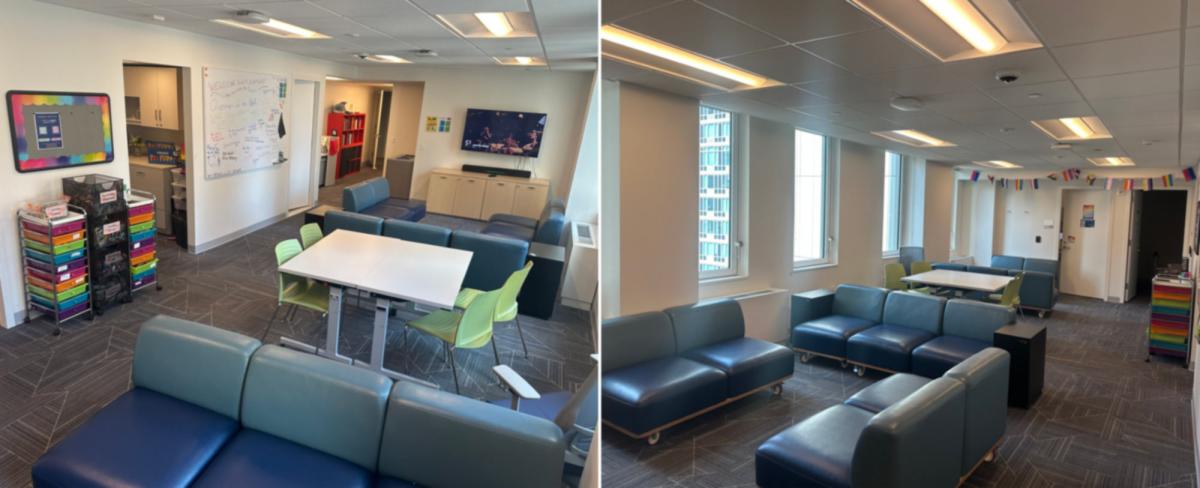
I’m most excited about the different opportunities we have to build community. Our lounge has three different sections within an open concept, so students can watch TV, listen to music, have conversations, or use it as a workspace. We also have a conversation area where people can sit together and engage in discussion. There’s also a private conference room, and the space is large enough to accommodate different needs at the same time.
The seed for a dedicated LGBTQA+ Center was first planted in 2009 with the creation of the LGBTQ+ University Wide Task Force and has since evolved from a room in 41 Park Row to the above new space. Why is having a dedicated physical space for the LGBTQA+ Center important?
Some of our students come from places where they haven’t had the opportunity to speak openly about certain elements of their identities. At Pace, they have the opportunity not only to speak openly but to engage and have conversations with us. Students also see what’s happening at universities across the country, where some physical spaces, offices, or staff positions dedicated to this work are being removed. At Pace, we’re expanding.
It’s important not only for representation. We don’t want students just to think they’re being seen. We want them to actually feel seen and give them the space to be who they are.
What are the LGBTQA+ Center’s primary roles at Pace?
A lot of our programming is social and focused on getting to know one another and having conversations about sexuality, gender identity, expression, and performance. We also offer educational opportunities such as SafeZone trainings. Sometimes people are processing difficult or challenging things, so this space can help foster wellness, too. Further, we connect with academics and research and help students engage with the wider community through service. Ultimately, it comes down to having a space where students can build community and learn about themselves and others.
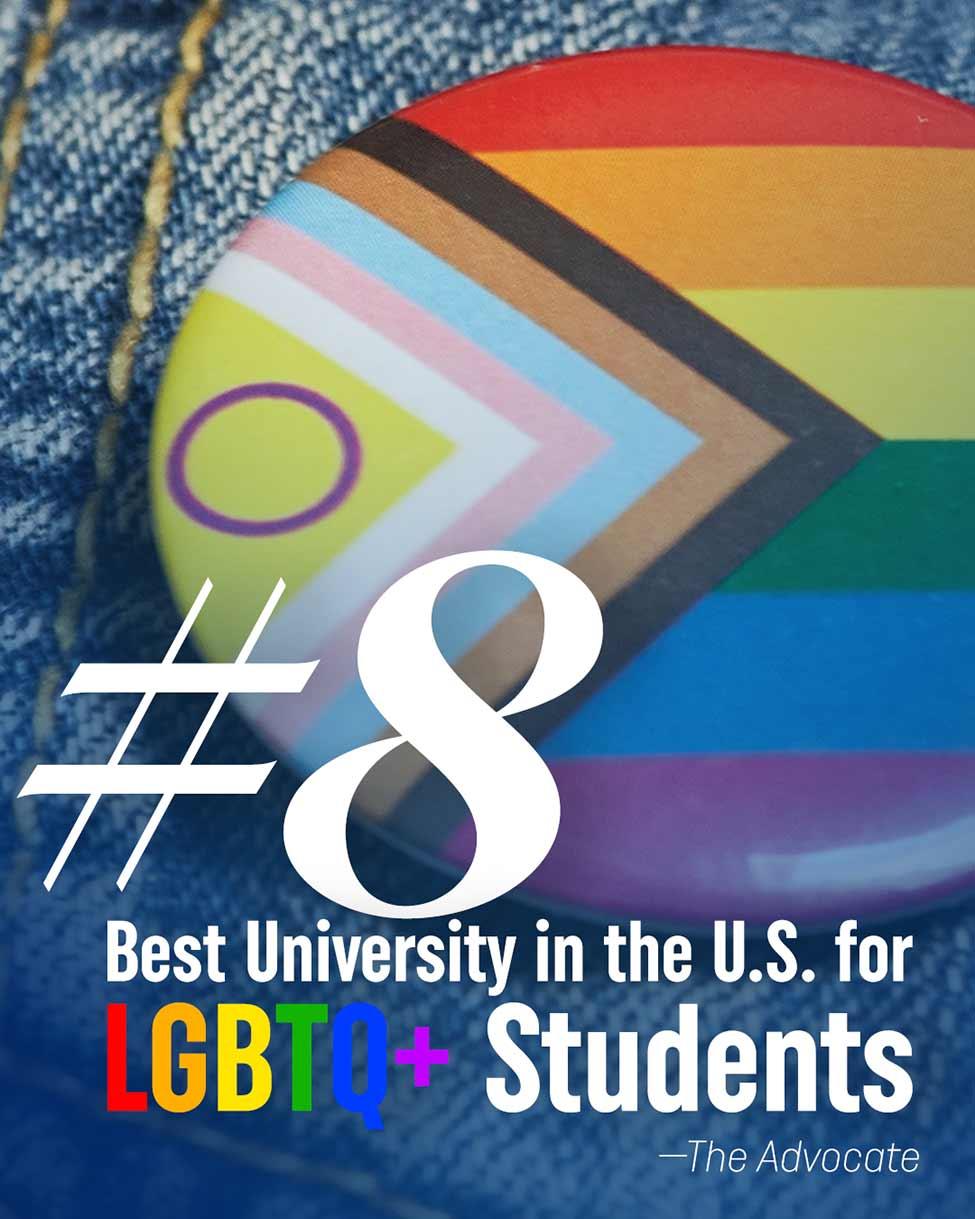
In 2022, Pace was named one of the 40 best colleges and universities in the country for LGBTQA+ students by Campus Pride. Now, The Advocate has ranked Pace #8 in the nation for LGBTQ+ students. What do you attribute the Center’s continued growth and success to, and how has its role at Pace evolved over that time?
First, it’s really the students’ engagement. Students are eager to find a space on campus and make it a home. We’re able to continue to thrive because of the students who come to the Center and know the space is here whenever they need it or want community. We also have really strong collaborative partnerships across the University. This past year, more than 100 people completed SafeZone training, and offices and departments across both campuses are excited to collaborate, engage in discussions, and host programs.
The LGBTQA+ Center thrives because of partnerships from the community that uplifts, amplifies, and supports the work of creating an inclusive environment for members of the LGBTQA+ community.
What are some of the Center’s signature programs?
One of our major programs is the Chosen Family Dinners, which happen monthly and give students a space to come together. They don’t have to be part of the LGBTQA+ community, and we welcome everyone. Students can bring friends, have conversations, feel safe, and share a free meal. We also have Queer Agendas, a weekly program in partnership with the Counseling Center, through which we have an open discussion around a particular topic and pair it with an activity. At the end of the academic year, we hold Lavender Graduation, where we honor graduating seniors and recognize students, faculty, and staff.
In what ways is the LGBTQA+ Center today connected to its origin story?
Something I really value in my leadership style is being able to move forward and bring new energy to the Center while also looking back at the people who helped shape it. Last year, Distinguished English Professor Karla Jay, PhD, came to campus, and we renamed one of our awards after her, honoring her impact. In addition, Kelly Herbert ‘06, the Center’s founder, is still very connected to Pace and president of the alumni network. We continue to involve alumni who have played important roles in the Center, and that tradition is especially evident in Lavender Graduation. It’s about looking back while also moving forward, as we remember why we continue to educate, advocate, and support one another.
You oversee the LGBTQA+ Center on both Pace campuses. Tell us more about the Center in Pleasantville.
Pleasantville has a dedicated space in the Kessel Student Center, in Room 310. On both campuses, someone staffs the Center whenever it’s open, and programming takes place on both campuses, including Chosen Family Dinners and Lavender Graduation, while other programs are tailored to a specific campus. In New York City, we have Queer Agendas on Tuesdays, while Pleasantville has Out to Lunches on Wednesdays. We have similar programming, but we diversify it based on each campus’s needs.
What do you envision for the Center’s future?
I’m excited about working even more closely with students and developing programming that reflects what they enjoy and need. I’m also interested in exploring how we can enhance the library in the Center, with possibilities such as online archives and digital resources. And I’m excited about making the Center feel specifically like Pace, such as bringing student artwork into the space and other ways to make it feel uniquely connected to the community.
How can students, faculty, and staff access the new Center at 15 Beekman?
It’s pretty easy. After you go through the first turnstile, go through the second turnstile and take the elevator to the 14th floor. There may be a learning adjustment because students are used to going through the first turnstile when they visit places such as the Pace Library, Bianco Room, or Learning Commons. But the space will be open and accessible to everyone in the Pace Community.
Want to get connected with Pace’s LGBTQA+ Center? Follow the Center on Instagram for events, programs, resources, and ways to get involved on both the New York City LGBTQA+ Center Instagram and Pleasantville LGBTQA+ Center Instagram campuses.

Christina Tram ’27 came to Pace inspired by a nurse who changed her life. At the Lienhard School of Nursing in the College of Health Professions, she’s discovering how she can do the same for others, through patient care, research, leadership, and advocacy to raise the age of consent for sex.

Decades of research at Pace’s Haskins Labs helped pave the way for a lifesaving treatment for sleeping sickness with far-reaching global impact.

Your Commencement isn’t just about walking the stage—it’s about celebrating the people and values that got you here. That’s why we want the Class of 2027 to help choose our Commencement speaker. Think of someone whose story will light up the room, inspire your classmates, and leave a lasting mark. Ready? Nominate now.