Image
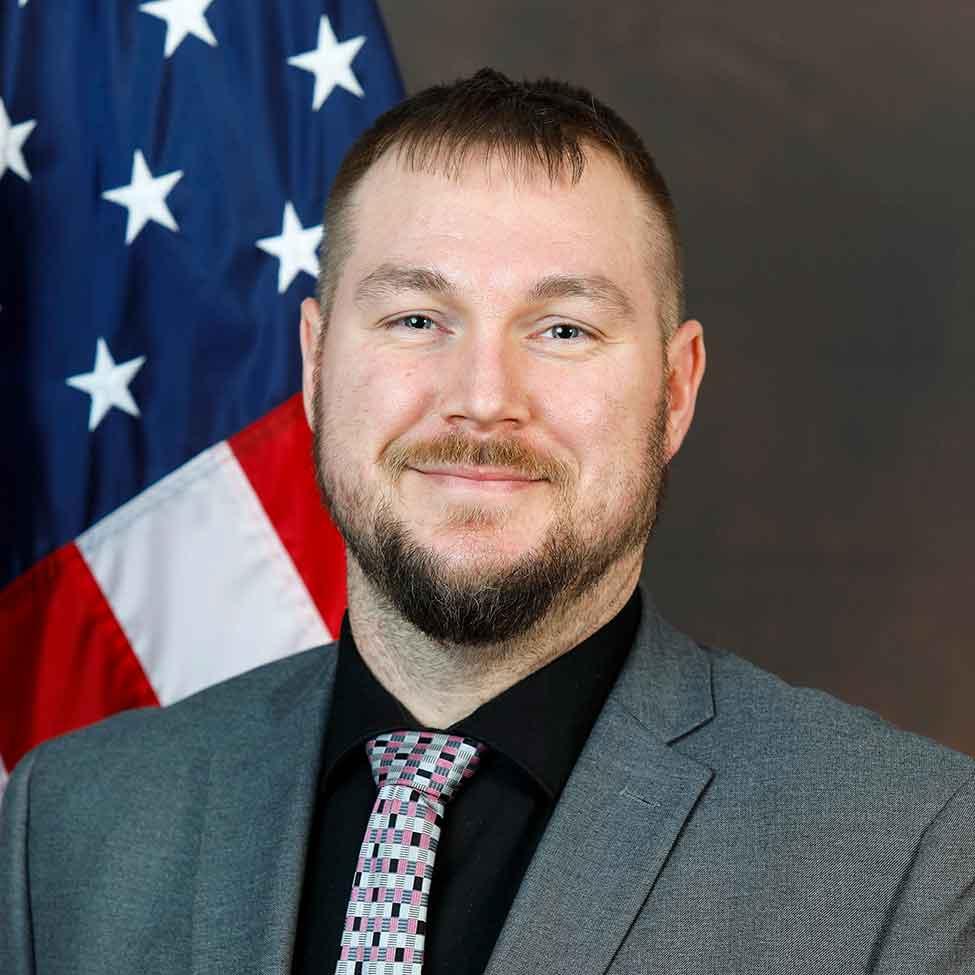

Gary L. Albaugh is vice president of innovation and development at MicroTheory Engineering, where he helps expand engineering and professional services across K–12 schools, higher education, libraries, museums, and other educational organizations. His work focuses on technology strategy, innovation, and the adoption of artificial intelligence and emerging technologies in education.
Before joining MicroTheory Engineering, Gary spent more than 20 years in military and civilian service supporting the federal government, including eight years in the U.S. Army and senior technology leadership roles at Fort Hamilton and the United States Military Academy at West Point. He has contributed to national AI and machine learning initiatives and holds degrees from Marist College, the University of Phoenix, St. Joseph’s University, and American Military University.
James Brusseau, PhD, teaches at Pace University in New York City and the University of Trento in Italy. His research explores the human experience of artificial intelligence, with a focus on authenticity, freedom, and personal identity.
Julia Eisenberg, PhD, is a professor of management at Pace University’s Lubin School of Business. Her research interests include collaboration among individuals and teams, leadership, innovation, and the impact of technology on human experiences in organizational settings. Julia has published several peer-reviewed academic journal articles and book chapters and has presented her research at numerous domestic and international conferences. She serves as an associate editor and on two nonprofit executive boards. Prior to her career in academia, Julia worked for Goldman Sachs, J.P. Morgan Private Bank, and Morgan Stanley as a product developer and manager in the technology and finance divisions.
Lisa Ellrodt, DPS, is a technology leader, educator, and researcher with more than 30 years of experience driving innovation across enterprise systems, sensors, and robotics. Having recently defended her doctoral dissertation in computing studies, Lisa’s research explores how sensors and robotics can be designed to better understand and support human activity. Professionally, she oversees business processes and enterprise applications, guiding cross-functional teams in modernizing systems, optimizing workflows, and implementing scalable digital solutions. As co-director of Camp Cryptobot, Lisa strives to create hands-on experiences that spark curiosity and build confidence in students.
Paul Franetovich serves as enterprise lead for New York City academic institutions at Salesforce, where he partners with higher education institutions on digital transformation. His work focuses on using technology and agentic workflows to strengthen recruitment, enrollment, fundraising, and the overall constituent experience while reducing administrative friction.
Paul brings decades of technology experience across the academic and public sectors, with previous leadership roles at Salesforce, Granicus, and Xerox. He specializes in enterprise technology, cloud migration, and workflow optimization and holds credentials in Agentic AI Development and Agentic Workflows, including certification as an Agentforce Agentblazer Innovator.
Christopher Gaur is co-founder and managing partner of Vital Care Services (VCS), a New York State-certified minority-owned telehealth and remote patient monitoring company. He focuses on integrating AI into the HIPAA-regulated business while preserving the human element of care and customer service. A Pace University alumni with a BBA in Marketing and a specialization in entrepreneurship, Christopher founded Pace Perk Cafe as a first-year student. He also holds an Executive MBA from Quantic School of Business and Technology.
Ama Gordon is the CEO and founder of Global Fertility Connections Corp., a marketing agency within the fertility industry. With experience across women's health, consumer goods, luxury and lifestyle brands, Ama practices responsible development, deployment, and oversight of AI use in healthcare by fostering collaboration with her clients. Ama provides C-suite leaders with strong operating discipline, risk control and AI policy deployment with a focus on AI integration and AI compliance standards. She also teaches AI courses for senior leaders, workplace productivity, marketing professionals, product managers and entrepreneurs.
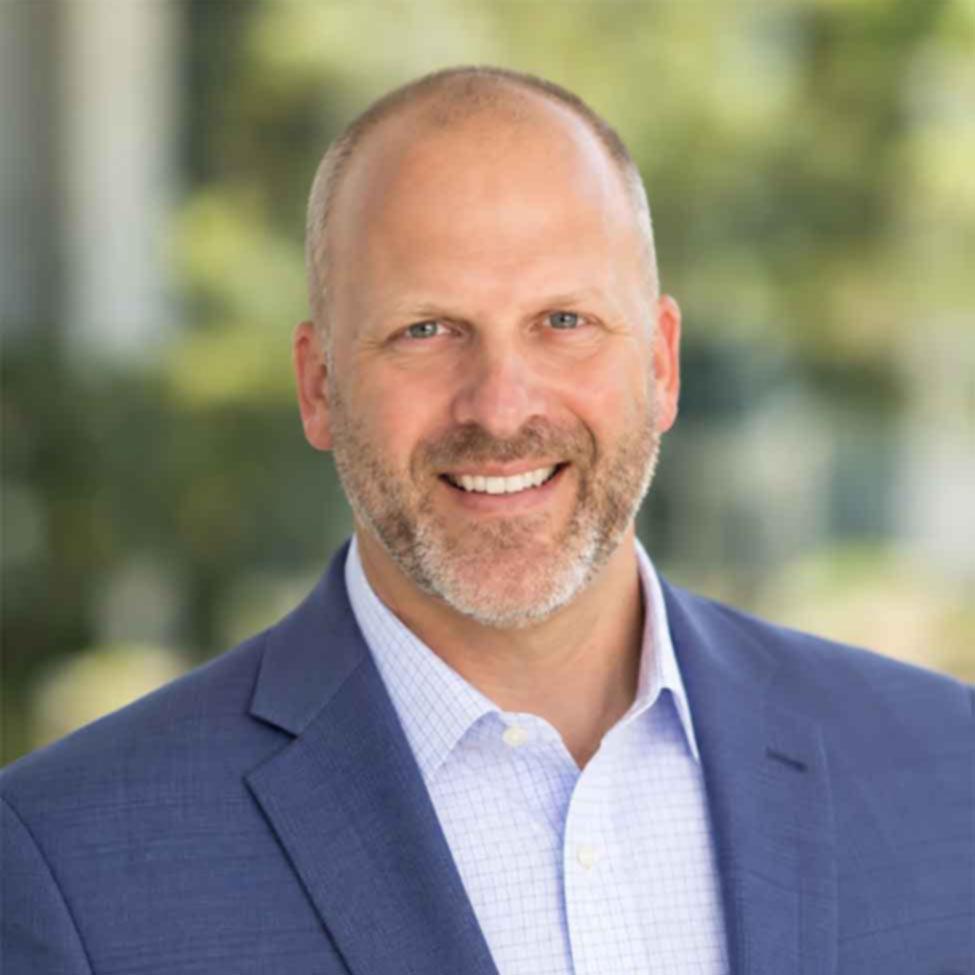
Jared Heiner is a veteran education technology leader and higher education account executive at Zoom Video Communications, where he helps institutions across New York leverage modern digital infrastructure and AI-driven communication tools. With a career spanning roles as a K–12 director of technology and curriculum administrator, adjunct professor, and specialized EdTech sales professional at Cisco and HP, Jared brings a unique 360-degree perspective on how educational technology, including AI, impacts administrators, faculty, and students alike.
Becky Livingston, founder of Penheel Marketing, is a leading professional in integrating AI-driven solutions for accounting firms and small businesses. A recognized educator, Becky demystifies complex technology through conference and teaching sessions that use humor, current trends, and activities. When not shaping future-focused business strategies, this innovator and consultant is a devoted dog lover.
David Sachs, EdD, is a professor of information systems in the Seidenberg School of Computer Science and Information Systems and has served as faculty co-chair of the University’s AI Committee since April 2024. Sachs authored the AI materials currently used in CIS-101, which has served over 2,000 undergraduates, and manages many of the AI training initiatives underway at the University.
Richard Tamaro is president and lead product designer at CASO Document Management, where he is rebuilding the company around AI. Over 20 years leading CASO, he has reinvented the company twice—first around cloud technology and now around AI. His EasyFile platform supports document workflows for financial firms, governments, universities, manufacturers, and nonprofits nationwide.
Richard’s approach to AI began inside his own company, using the technology to transform CASO’s operations before bringing it to clients. He now helps organizations move from asking AI questions to running AI-powered processes and is writing a book about transforming his 30-year-old company as AI reshapes the industry.
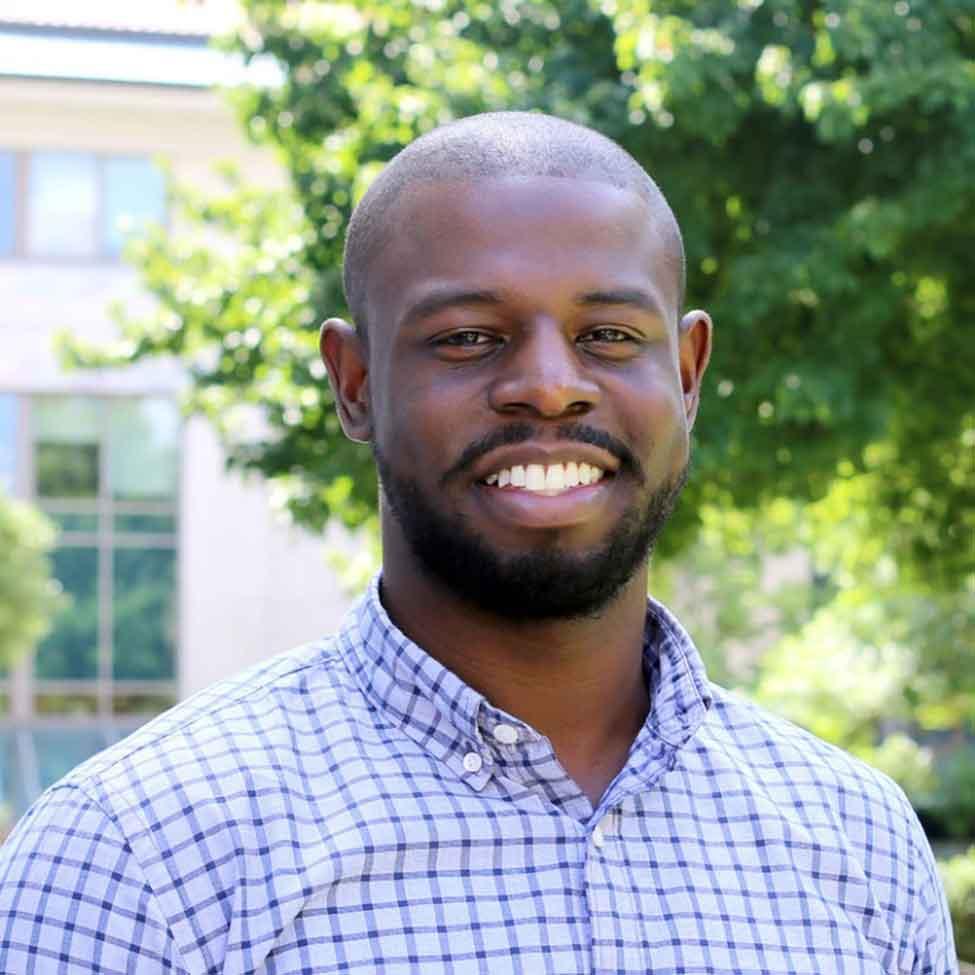
Michael Toney is a senior program manager at Google Research, where he works at the intersection of AI, knowledge management, and decision-making tools.
Before moving into tech, he spent a decade in higher education supporting student and faculty success. Across both worlds, his work has centered on building the systems and experiences that help people and organizations navigate complexity and create meaningful change.
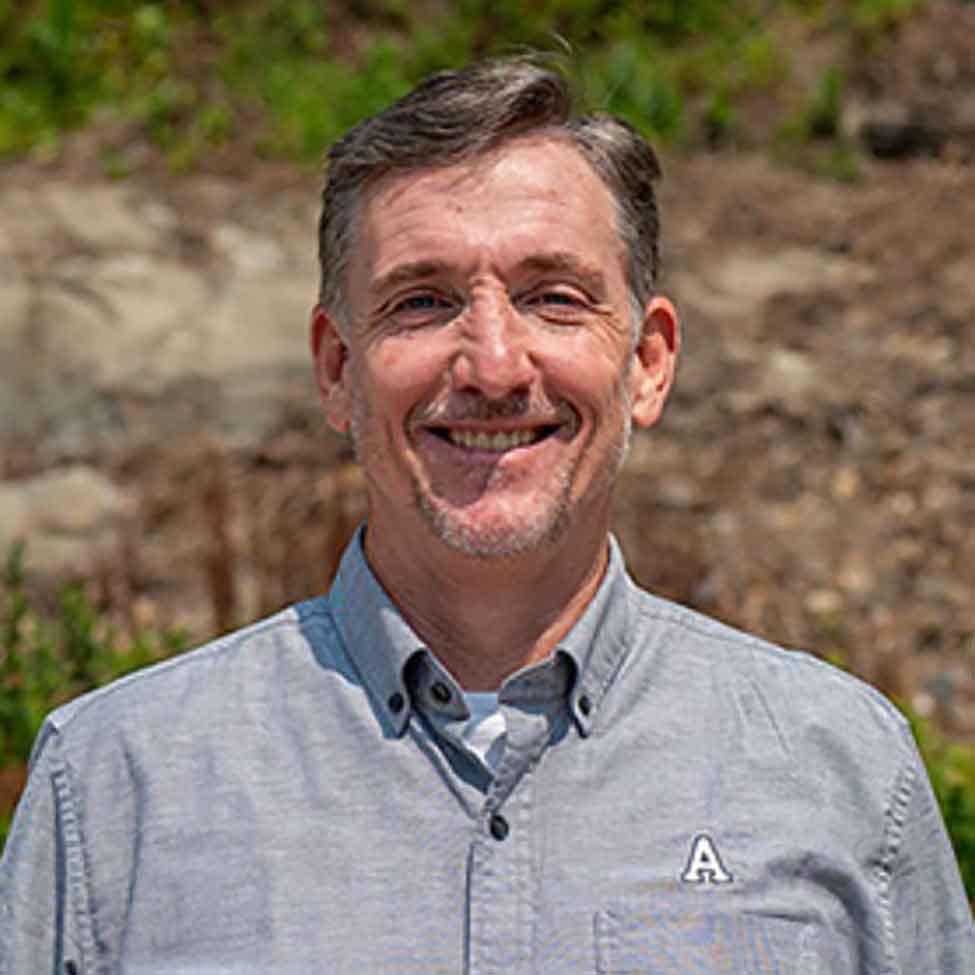
COL Edward Teague, USA (Ret.), PhD, is vice president of information technology at the West Point Association of Graduates. A 1995 United States Military Academy (USMA) graduate, he served 30 years in the Army as an aviator and operations research/systems analyst. In his final assignment at USMA, he served as the Academy’s chief information officer and G6, overseeing the largest information technology transformation in Academy history.
Teague holds an MS in operations research from the University of Texas at Austin and a PhD in systems engineering from the University of Virginia. He and his wife, Frances, have four wonderful children serving in the Army and two poorly behaved dogs.
Ethan Truong is a software and reliability engineer with more than 15 years of professional experience building software, including tools and systems that use and support AI. He is an active contributor to open-source projects, which can be found on GitHub, and an author of a chapter in Google’s upcoming second edition of Site Reliability Engineering.
Drawing on years of professional and personal experience with AI, Ethan brings the perspective of a frontline engineer experimenting with different approaches to integrating AI into software development. His work offers practical insight into where AI delivers value, where it falls short, and what engineers can learn from both successes and misses.
Ferdinand West is an AI consultant and the founder of AI Made Simple, a Harlem-based practice that helps small service businesses put AI to work: answering every call, following up on every lead, and closing the gaps where revenue quietly slips away. Before AI, Ferdinand worked in clinical healthcare and the financial industry, and he brings that front-line, plain-language approach to every room he teaches in. He also creates AI education content across Instagram, TikTok, and LinkedIn.