
Pace University News
Pace Now

Press Release
October 20, 2026
-
 Faculty and StaffOctober 12, 2026
 -
-
 Faculty and StaffOctober 1, 2026
Top Media Mentions


Latest News

Faculty and Staff
For 60 years, Pace University’s Lienhard School of Nursing has helped shape healthcare in Westchester County, New York City, and beyond. From developing a top-ranked collegiate nursing program to pioneering nurse-led care and clinical innovation, Lienhard celebrates six decades of preparing nurses, advancing healthcare, and transforming communities.
October 12, 2026

Faculty and Staff
In partnership with the university’s hiring leaders, Talent Acquisition carefully maps the knowledge, skills, and abilities required for every role. Student-facing or operational, we directly secure the human capital vital to executing Pace’s strategic vision, fostering an environment where talent thrives and furthers our commitment to Opportunitas and student success.
October 12, 2026

Alumni
Learn how Pace alum Laraib Sarmad turned her IT education into a career in cybersecurity, AI research, and entrepreneurship as co-founder of Cyranix.
October 9, 2026

Students
If you or someone you know has experienced sexual violence, harassment, stalking, or relationship violence, support is available at Pace. Learn about confidential resources, reporting options, and where to find help on your campus.
October 9, 2026

Students
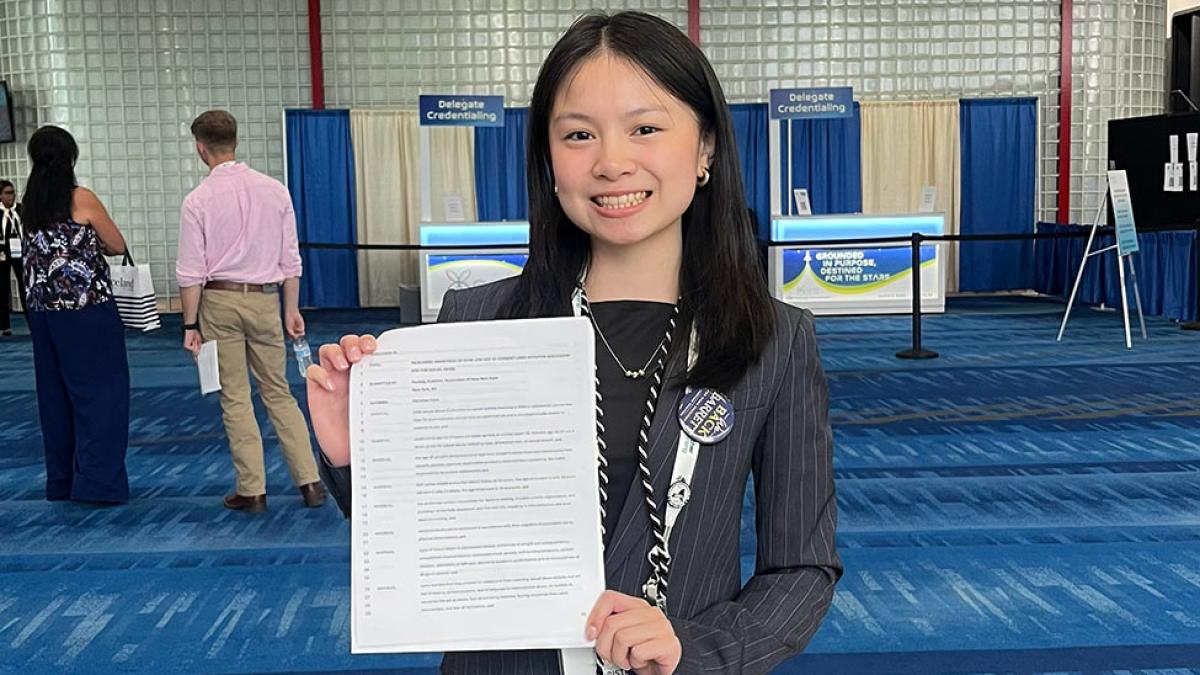
Christina Tram ’27 came to Pace inspired by a nurse who changed her life. At the Lienhard School of Nursing in the College of Health Professions, she’s discovering how she can do the same for others, through patient care, research, leadership, and advocacy to raise the age of consent for sex.
October 6, 2026

Faculty and Staff
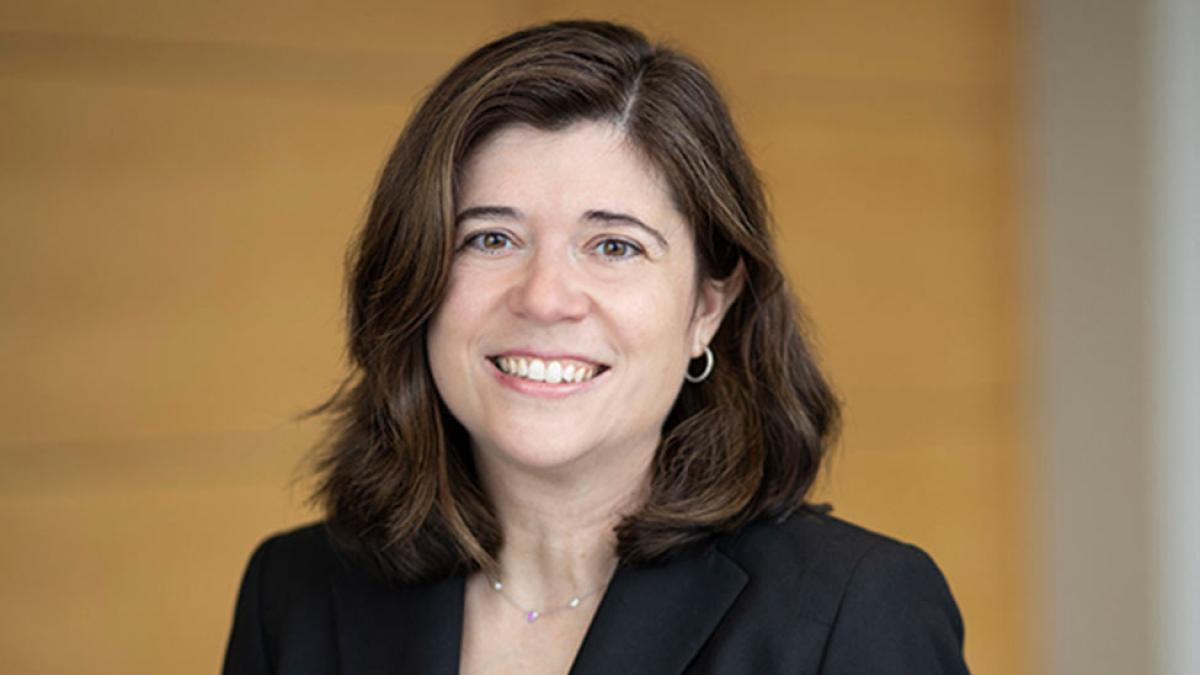
Professor Emily Gold Waldman has been awarded the 2026 Goettel Prize for Faculty Scholarship.
October 1, 2026

Faculty and Staff
Decades of research at Pace’s Haskins Labs helped pave the way for a lifesaving treatment for sleeping sickness with far-reaching global impact.
October 1, 2026

Students
Fall is here, and there are a few important financial aid updates to keep on your radar. From filing your 2027–2028 FAFSA to understanding new federal student loan rules, here’s what Haub Law students need to know.
September 29, 2026

Students
Fall is here, and there are a few important financial aid updates to keep on your radar. From filing your 2027–2028 FAFSA to understanding new federal student loan rules, here’s what undergraduate students and families need to know.
September 29, 2026

Students
Discover how Pace student Tyler Yeung co-founded Averent to help indie game developers connect with audiences and improve game discovery.
September 25, 2026