Image
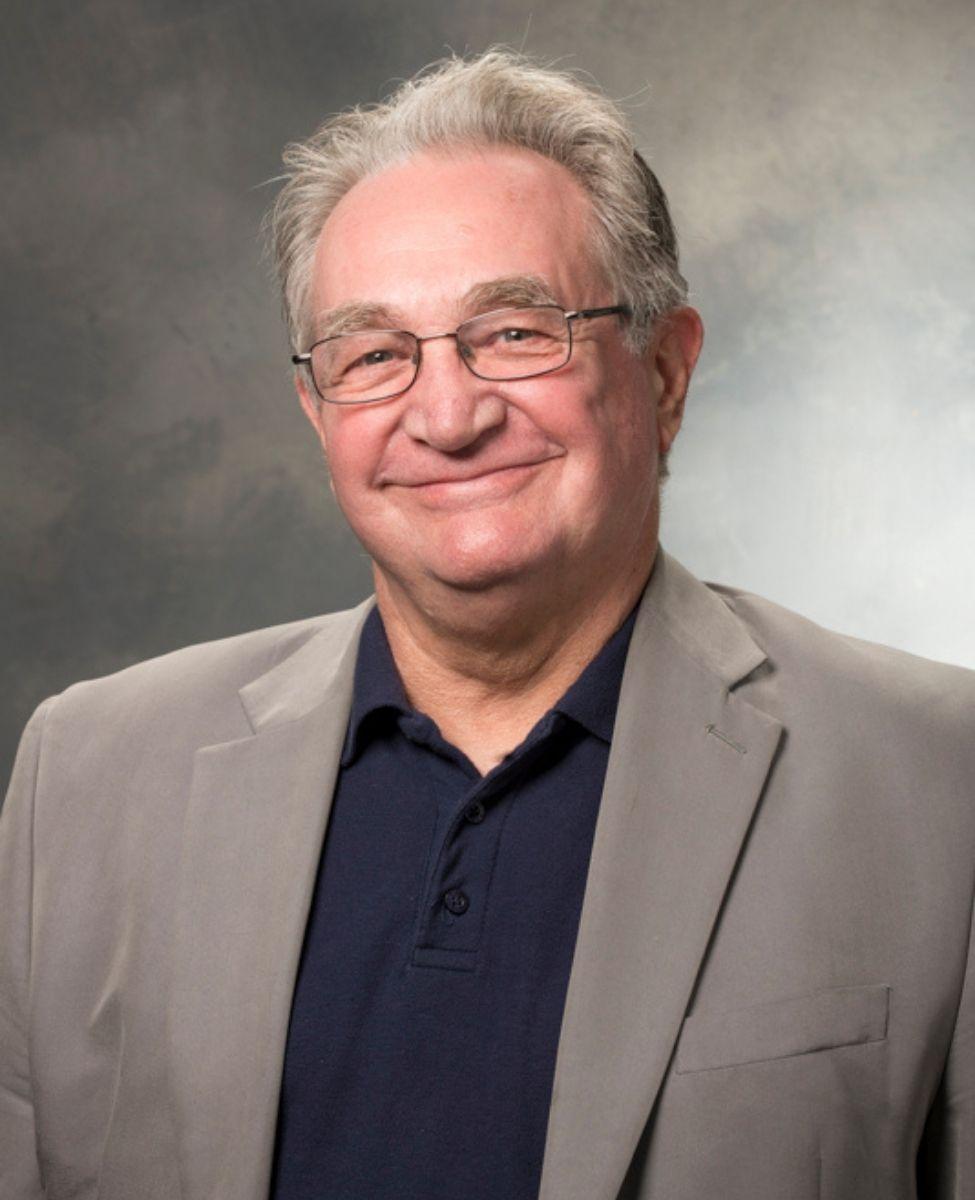
Dyson Professor Melvin Williams speaks with USA Today about the first trailer for Shrek 5, explaining how Fiona's slimmer appearance reflects longstanding gender expectations surrounding aging and body image in popular culture.

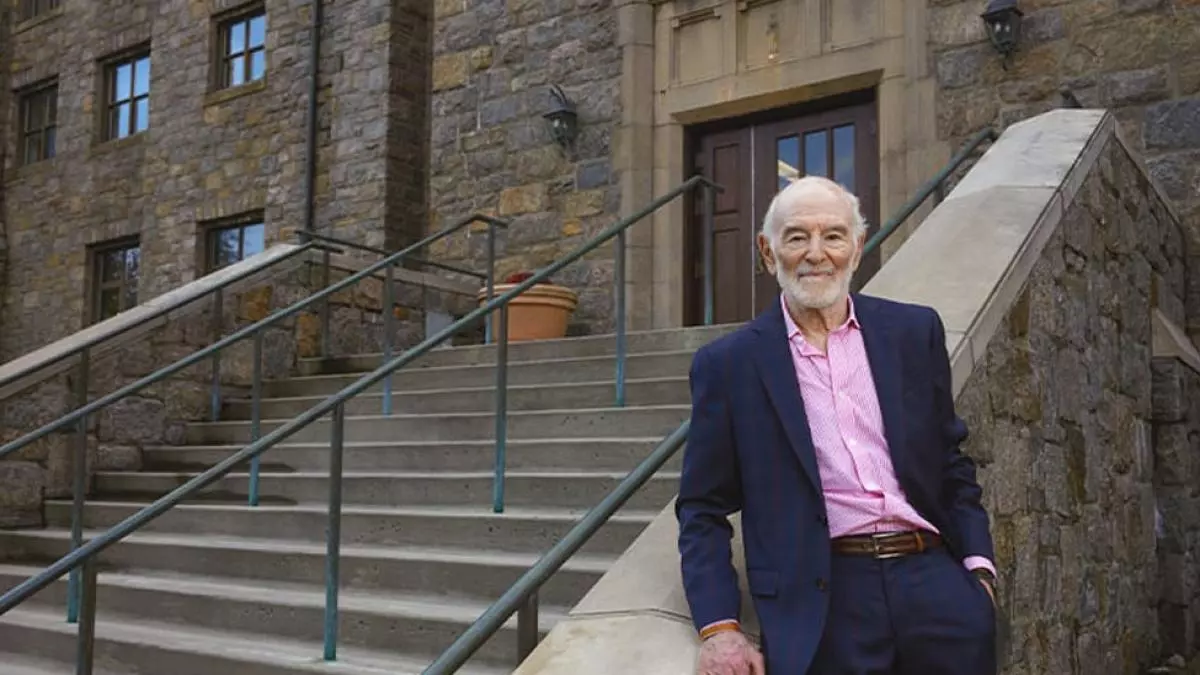
Pace University law professor Bennett Gershman described the ruling as "a huge enlargement of the border authorities' ability to stop lawful immigrants from coming into the country. "He said the decision grants officials "huge power to stop them, to question them, to detain them," warning that border officers now possess extremely broad discretion when evaluating returning permanent residents. Gershman added that lawful permanent residents traveling abroad "really have to be wary now of what their rights are," because they may face heightened questioning, detention, or removal proceedings upon return.
Dyson Philosophy Professor James Brusseau is featured in Machine for new research introducing "acceleration AI ethics," a framework proposing that innovation itself can generate the tools needed to manage the risks of artificial intelligence. Rather than viewing safety and innovation as competing priorities, Professor Brusseau suggests that responsible technological advancement can help solve the very challenges it creates.

Dyson History Professor Joseph Tse-Hei Lee examines what Taiwan can learn from Hong Kong's transformation in an op-ed for the Taipei Times. Professor Lee explores how Hong Kong has remained a global financial center despite declining political freedoms, encouraging Taiwan to view the territory as a cautionary example while emphasizing the importance of democratic institutions and civil liberties.

Haub Law Professor Bennett Gershman authors an op-ed in amNewYork, examining President Donald Trump's efforts to reshape Washington, D.C.

The Sands College of Performing Arts community mourns the passing of Ruis Woertendyke, former Chair of Theatre at Pace School of Performing Arts (PPA). For more than three decades, Ruis dedicated his career to educating artists, mentoring faculty, and playing an integral role in shaping the performing arts programs that would ultimately become the Sands College of Performing Arts.

The Sands College of Performing Arts community mourns the passing of Ruis Woertendyke, former Chair of Theatre at Pace School of Performing Arts (PPA). For more than three decades, Ruis dedicated his career to educating artists, mentoring faculty, and playing an integral role in shaping the performing arts programs that would ultimately become the Sands College of Performing Arts.
A visionary educator and leader, Ruis fostered a culture of artistic excellence that continues to define Sands College. During his tenure, he recruited a new generation of faculty, many of whom remain part of the Sands community today. Ruis also oversaw the creation of the renowned Musical Theater and Commercial Dance programs, as well as the evolution of the BFA Acting and BA Acting and Directing programs.
Ruis established Pace’s first collaboration with La MaMa, launching repertory seasons featuring one-act plays by celebrated playwrights. He was also instrumental in founding Methods: A Journal of Acting Pedagogy, which became an important forum for advancing scholarship and dialogue about the craft and teaching of acting. In 2017, Ruis was honored with the Kenan Award for Teaching Excellence in recognition of his outstanding teaching, dedication to students, and intellectual leadership.
Those who knew Ruis remember him not only as an accomplished educator and administrator but also as a mentor who nurtured artists with curiosity, rigor, and generosity. His legacy lives on in the countless students, alumni, and colleagues he inspired, and in the vibrant artistic community he helped create at Pace.
The Elisabeth Haub School of Law at Pace University is pleased to announce the appointments of Professor Margot J. Pollans as Associate Dean of Faculty Development and Professor Josh Galperin as Associate Dean of the Environmental Law Program, further strengthening the Law School's academic leadership.

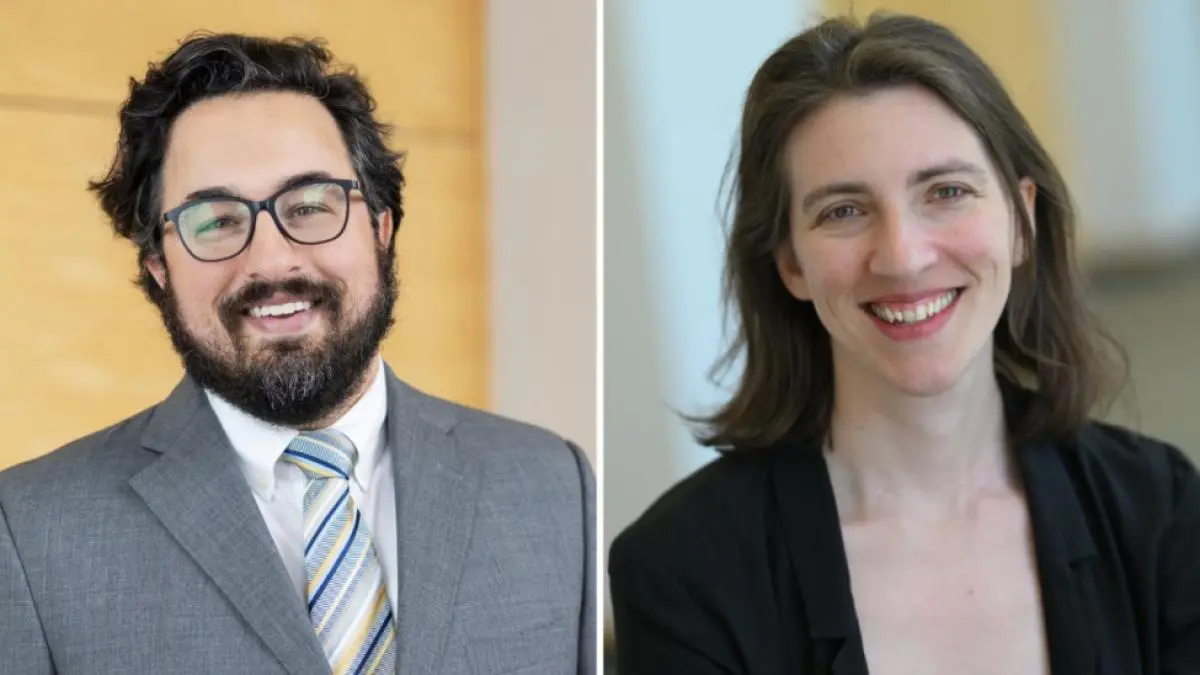
The Elisabeth Haub School of Law at Pace University is pleased to announce the appointments of Professor Margot J. Pollans as Associate Dean of Faculty Development and Professor Josh Galperin as Associate Dean of the Environmental Law Program, further strengthening the Law School's academic leadership.
"Margot and Josh are exceptional scholars, dedicated teachers, and thoughtful leaders who have each made extraordinary contributions to our community," said Dean Horace E. Anderson Jr. "Margot's leadership in faculty development and Josh's vision for our nationally recognized Environmental Law Program will help build upon the extraordinary momentum of the Law School as we continue investing in academic excellence, faculty scholarship, and innovative legal education."
Professor Margot J. Pollans has been appointed Associate Dean of Faculty Development, succeeding Professor Emily Gold Waldman, who has served in the role with distinction for the past decade. During her tenure, Professor Gold Waldman played a pivotal role in advancing faculty scholarship and development, strengthening faculty policies, and helping implement key elements of the Law School's strategic vision. In her new role, Professor Pollans will lead the Law School's faculty development initiatives, supporting faculty scholarship, mentoring colleagues throughout their academic careers, and helping advance the Law School's strategic priorities.
A nationally recognized scholar in environmental law, food law, administrative law, and social justice, Professor Pollans has established herself as one of the country's leading voices exploring the intersection of food systems, public health, and environmental governance. Earlier this year, she was named the Gilbert and Sarah Kerlin Distinguished Professor of Environmental Law, recognizing her significant contributions to environmental legal scholarship. She previously served as the James D. Hopkins Professor of Law from 2023 to 2025.
Since joining Pace Haub Law, Professor Pollans has distinguished herself not only through her scholarship and teaching, but also through her commitment to mentoring students and supporting faculty. She serves as Faculty Director of the Pace Food Law Center, where she has helped expand the Law School's leadership in food law scholarship and policy. She also launched the Junior Faculty Workshop to support emerging scholars within the Law School, serves as a lead organizer of the nationally recognized Future Environmental Law Professors Workshop, and has played an active role on the Faculty Appointments and Faculty Development Committees, including serving as Chair.
Professor Josh Galperin has been appointed Associate Dean of the Environmental Law Program. Since joining the faculty in 2021, he has played an instrumental role in advancing Pace Haub Law's nationally recognized environmental law program through his scholarship, teaching, and institutional leadership. As Associate Dean, Professor Galperin will oversee and continue advancing one of the nation's premier environmental law programs, strengthening its academic offerings, expanding strategic partnerships, supporting faculty and students, and further enhancing its national and international reputation. Earlier this year, the Elisabeth Haub School of Law was once again ranked the #1 Environmental Law program in the nation by U.S. News & World Report—the seventh time, and sixth consecutive year, it has earned the top distinction—further solidifying its position as a global leader in environmental legal education.
A leading scholar of environmental law, administrative law, constitutional law, and sustainable business, Professor Galperin has helped position Pace Haub Law at the forefront of innovative environmental legal education. As Faculty Director of the Sustainable Business Law Hub, he has helped prepare future leaders in sustainable business and private environmental governance while fostering interdisciplinary collaboration across law, business, and policy. Professor Galperin has also played a central role in strengthening the Law School's longstanding partnership with the Yale School of the Environment, helping advance the innovative joint JD/Master of Environmental Management degree program and co-hosting the prestigious New Directions in Environmental Law Conference, which brings together leading environmental law scholars and practitioners from across the country. Through his scholarship, teaching, and leadership, Professor Galperin has helped further elevate Pace Haub Law's national reputation as a leader in environmental law.
These leadership appointments build upon the Law School's continued investment in faculty excellence. Pace Haub Law recently announced the appointments of Professor Allison Pincus, who joins the faculty as a tenure-track Assistant Professor of Law, and Professor Jason J. Czarnezki, who returns to the Law School as a tenured Professor of Law and Faculty Director of Bar Strategy and Performance. Additional faculty hiring announcements will be forthcoming as the Law School continues to expand its distinguished faculty and strengthen its academic programs.
The American Academy of Nursing (AAN) announced its selection of highly distinguished nurse leaders for its 2026 class of Academy Fellows, including Marie Lourdes Charles, EdD, RN-BC, FNYAMC, associate professor at the Lienhard School of Nursing.

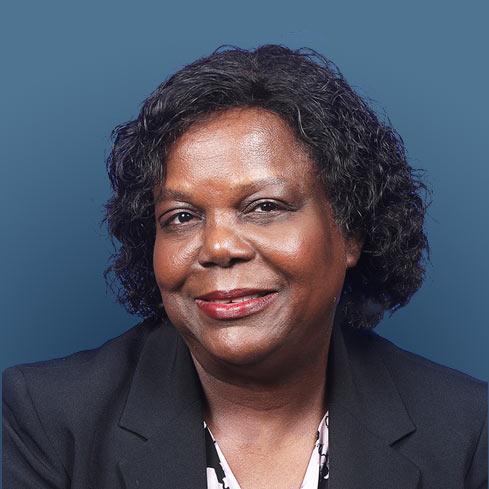
The American Academy of Nursing (AAN) announced its selection of highly distinguished nurse leaders for its 2026 class of Academy Fellows, including Marie Lourdes Charles, EdD, RN-BC, FNYAM, associate professor at the Lienhard School of Nursing.
Dr. Charles will be recognized for her significant contributions to health and health care at the Academy’s annual Health Policy Conference, taking place October 8–10, 2026, in Washington, DC. The theme of this year’s conference is “Digital Health: Promise, Responsibility.”
Dr. Charles is a community health nurse, researcher, and educator with over 40 years’ experience. Her practice, research, and scholarship aim at improving health outcomes by focusing on underrepresented populations, especially individuals with intellectual and developmental disabilities as well as people living in resource-poor communities. She is a founding member and vice-president of the Health Education Action League for Haiti (HEAL Haiti), collaborating with community partners in Haiti to provide resources, health screening, and education to underserved populations. She has also served as a liaison between Pace University and Caribbean Communities of Brooklyn and Queens to execute the All of Us Educational Program from the National Institutes of Health (NIH). Currently, she is involved in the PrEP Ring study in Uganda which was funded by several Pace University grants. Dr. Charles has received many awards for her contributions to Public Health including the Caribbean Impact Award from Caribbean Life and Advancing Health Equity Award from the Association of Community Health Nurse Educators (ACHNE).
According to the AAN press release, the 2026 Class of Fellows represents 39 states, the District of Columbia, and 17 countries, and reflects the powerful role nurses play in promoting health and well-being. Induction into the Academy is a significant milestone in which past and current accomplishments are honored by colleagues within and outside the profession.
AAN President Debra J. Barksdale, PhD, FNP-BC, FAANP, ANEF, FADLN, FAAN, said the vision, dedication and accomplishments of this year’s inductees represent the best of the nursing profession.
Through evidence-based innovation, leadership, and scholarship, they have improved outcomes, shaped policy and practice, strengthened nursing education and care delivery, and advanced scalable solutions that promote healthy lives for all people. Their accomplishments demonstrate the depth and reach that define Fellowship in the Academy.
Dr. Charles joins the following Pace Lienhard School of Nursing faculty Fellows:
Haub Law Professor Bennett Gershman pens an op-ed in the New York Law Journal analyzing a recent Supreme Court ruling on racial discrimination in jury selection and its implications for fairness in the criminal justice system.
Haub Law Professor Emeritus Michael Mushlin is widely featured this week following a landmark criminal justice reform that will make New York the first state in the nation to require judges serving in criminal and family courts to conduct annual visits to prisons and jails beginning in 2028. Featured in amNewYork, The City Reporter, and La Voce di New York, Mushlin helped lead the years-long study and advocacy for the initiative, which is designed to give judges firsthand insight into conditions of incarceration and promote more informed, transparent, and humane decision-making.
