Image

The Elisabeth Haub School of Law is proud to announce that the 2026 Elisabeth Haub Award for Environmental Law and Diplomacy will be jointly awarded to environmental lawyers Alfred Lahai Gbabai Brownell Sr. and Durwood Zaelke for their groundbreaking contributions to the progressive development of environmental law and their decades of leadership advancing environmental justice, climate action, and environmental governance around the world.


The Elisabeth Haub School of Law is proud to announce that the 2026 Elisabeth Haub Award for Environmental Law and Diplomacy will be jointly awarded to environmental lawyers Alfred Lahai Gbabai Brownell Sr. and Durwood Zaelke for their groundbreaking contributions to the progressive development of environmental law and their decades of leadership advancing environmental justice, climate action, and environmental governance around the world. The award will be presented during a ceremony at Pace University in New York City on Wednesday, October 21, 2026.
Both honorees have demonstrated the transformative power of law to address some of the world’s most pressing environmental challenges. Alfred Brownell has pioneered legal strategies to protect communities, environmental and climate defenders, and natural resources while advancing environmental rights and climate justice across Africa and globally. Durwood Zaelke has played a leading role in strengthening the Montreal Protocol and building on its success protecting the ozone layer to achieve significant climate benefits, including through the landmark Kigali Amendment.
“Alfred Brownell and Durwood Zaelke exemplify the vision and leadership that the Elisabeth Haub Award was created to recognize,” said Horace E. Anderson Jr., Dean of the Elisabeth Haub School of Law and President of the Haub Award Jury. “Throughout their distinguished careers, they have demonstrated the power of law and international cooperation to turn environmental priorities into meaningful action. Together, their work has strengthened legal systems and institutions, protected communities and the natural world, and advanced innovative responses to increasingly complex global environmental challenges. We are honored to recognize their extraordinary contributions.”
“Their work demonstrates the power of law, advocacy, and international cooperation to protect people and the natural world and to drive meaningful action on environmental challenges that transcend borders.”
—Liliane Haub
A Liberian environmental lawyer, law professor, and human rights advocate, Alfred Brownell is the Founding President of the Global Climate Legal Defense (CliDef), which provides legal support and protection to climate activists and defenders around the world. He previously founded and led Green Advocates International, Liberia’s first public interest environmental law and human rights organization, and has played a central role in advancing environmental justice, community land rights, natural resource governance, and corporate accountability across West Africa. He formerly served as Distinguished Scholar in Residence and Associate Research Professor at Northeastern University School of Law, visiting Fellow at Yale Law School, and Visiting Professor and Robert F. Drinian Chair 2024-2025 in Human Rights at Georgetown University School of Law.
Today, Brownell is leading efforts to strengthen environmental and climate governance across Africa, including a petition seeking an advisory opinion from the African Court on Human and Peoples’ Rights regarding the legal obligations of African States in responding to the climate crisis and an effort to develop a binding regional environmental rights treaty for Africa, where he serves as the Lead Campaigner for both the African Climate Platform ( ACP) and the Environmental Rights Africa Coalition ( ERA). Through CliDef, he is also building legal defense infrastructure to protect climate activists and other environmental defenders. In 2019, Brownell received the Goldman Environmental Prize for Africa for his efforts to protect Liberia’s tropical rainforests and communities threatened by large-scale palm oil development.
Durwood Zaelke is founder and President of the Institute for Governance & Sustainable Development (IGSD) and has played a leading role in strengthening the Montreal Protocol, the landmark international agreement credited with putting the ozone layer on a path toward recovery. His work has focused on maximizing both the ozone and climate benefits of the Protocol, including efforts to accelerate the phaseout of ozone-depleting HCFCs. Building on the success of the Montreal Protocol, Zaelke led IGSD’s eight-year campaign to secure the Kigali Amendment, which phases down HFC refrigerants—powerful greenhouse gases that had been widely adopted as replacements for ozone-depleting substances—and has the potential to avoid up to 0.5°C of warming by 2100.
Zaelke previously co-founded and served as President of the Center for International Environmental Law and spent nearly a decade as a litigator with the Sierra Club Legal Defense Fund, now Earthjustice. He is also an Adjunct Professor at the Bren School of Environmental Science & Management at the University of California, Santa Barbara, and co-author of International Environmental Law & Policy.
“Alfred Brownell and Durwood Zaelke embody the courage, vision, and commitment necessary to move environmental law forward,” said Liliane Haub, environmental advocate, Pace University Trustee, and member of the Haub Award Jury. “Their work demonstrates the power of law, advocacy, and international cooperation to protect people and the natural world and to drive meaningful action on environmental challenges that transcend borders. My family and I are proud to honor their extraordinary contributions with the 2026 Elisabeth Haub Award for Environmental Law and Diplomacy.”
The Elisabeth Haub Award for Environmental Law and Diplomacy is the world’s most prestigious award in the field of environmental law. The Award has a distinguished history since 1979 shaped by progress in the field of environmental law and policy, and through collaborations with the Université libre de Bruxelles and the International Council of Environmental Law. In 2016, the family of Elisabeth Haub and the Elisabeth Haub School of Law established the award as it is known today to honor Elisabeth Haub (1899–1977), a noted philanthropist and advocate for strong laws for the conservation of nature. Chosen annually by an esteemed jury, the Award recognizes the innovation, skill, and accomplishments of lawyers, diplomats, international civil servants and other advocates who work to create the world environmental order. In 2025, the Haub Award was presented to Professor John H. Knox and Dr. David R. Boyd for their groundbreaking efforts as successive United Nations Special Rapporteurs on the human right to a healthy environment. Learn more about the Haub Award
The ceremony for the 2026 Elisabeth Haub Award for Environmental Law and Diplomacy honoring Alfred Lahai Gbabai Brownell Sr. and Durwood Zaelke will take place on Wednesday, October 21, 2026 at 5:00 p.m. ET at Pace University in New York City and will be broadcast virtually.
Just six years after graduating from Pace, Jessika Pietryka ’20 is already a three-time Sports Emmy winner. Now a graphics integrator and developer at NBC Sports, the Lubin alumna has turned a foundation in business, technology, and creativity into a career bringing some of the biggest moments in sports to life on screen.


Jessika Pietryka ’20 came to Pace University with a creative streak and left with a skill set that could take her just about anywhere. As a Lubin School of Business information systems major, she built a foundation in business and technology while exploring programming, design, media, and hands-on IT experience across the University. Today, she brings all of those skills together as a graphics integrator and developer at NBC Sports, where her work has already earned her three Sports Emmy Awards.
Studying at Pace helped me become a well-rounded professional. The information systems program was amazing because I got to take a wide range of classes that covered all aspects of, not only business, but IT as well. Through this program, I was able to build a strong foundation of business ideals and concepts that are applicable in all professional settings. I also took a wide range of technological classes (Seidenberg) where I was regularly challenged and encouraged to think deeply, particularly when it came to solving programming and systems problems. I also credit the Computer Resource Center in Wilcox where I worked all four years, for providing me with a real experience in a functional IT office. What I also liked about Pace is that I was able to feed my creative side by taking a couple of Media, Communication, and Visual Arts (MCVA) classes (Dyson) and I worked as a graphic designer for the Office of Residential Life. All of these helped me get to where I am now and set me up for success in my current role.
I originally decided to enroll at Pace to pursue a degree in digital cinema and filmmaking, for its proximity to New York City, and the small class sizes. I had many mentors at Pace that encouraged me to try out different classes (it was easy for me to do and there were lots of options), and so, I ultimately selected a program that felt right for me.
What I liked most about my classes was how hands-on they were. In one of my business classes, we operated a small business through a stimulation. In my IT classes, I worked with Raspberry Pi and robots, built databases, and programmed a lot. One of my favorite classes was with professor Pauline Mosley, DPS, through which we worked with local elementary school kids and taught them how to use a robot. Taking a couple of classes with professor Lou Guarneri helped keep my creative spark alive and that’s needed in my work today, and Professor Johanna Sterbin continuously encouraged me all my four years at Pace.
I’ve won three Emmy’s to date and they are as follows:
2024–2025 Sports Emmy ® Awards
Outstanding Graphic Design - Event/Show
Games of the XXXIII Olympiad
The Networks of NBC
Jessika Pietryka, Graphic Designer
2024–2025 Sports Emmy ® Awards
Outstanding Technical Team Studio
Games of the XXXIII Olympiad
NBC | Peacock
Jessika Pietryka, Graphics Operator
2026 Sports Emmy ® Awards
Outstanding Graphic Design: Event/Show
NBA on NBC & Peacock
NBC | Peacock
Jessika Pietryka, Graphic Designer
Working for NBC Sports has been surreal and I never imagined I’d be working here, let alone with three Emmy wins (so far!). I feel very lucky to have landed a position like this so early in my career and I owe much gratitude to everyone who has helped me get this far. My work ethic and passion are the direct result of everyone I’ve crossed paths with.
Extracurriculars at Pace helped me get to where I am today. Some of my closest friends are ones I made at Pace, and I feel their support to this day. A big shoutout to Rachel Skopp-Cardillo '20, my colleague at NBC Sports, who helped me obtain my current role and was in my Week of Welcome group my first year at Pace, and to coworker Nicole Manning ‘23, who I hadn’t known at Pace yet it feels like fate to work together with someone who is now a very close friend.
Ready to turn your interests into a career you never expected? Explore Lubin’s undergraduate programs and discover how Pace can help you build the skills, experience, and connections to get there.
From Romania and Scotland to Italy, Croatia, India, Japan, and Greece, Pace students and alumni brought their work to stages and training programs around the world this summer, expanding their craft, their networks, and their creative horizons.


Although based in New York City, the impact and vision of the BFA in Performance Making, which brings together the former Acting BA and Directing BA programs and is offered through Pace University’s Sands College of Performing Arts, extends well beyond the Pace classroom.
From Romania and Scotland to Italy, Croatia, India, Japan, and Greece, students and alumni of the program have spent this past summer creating, studying, and performing on some of the world's most respected international stages and with the crème de la crème of global performance artists.
At a time when international cultural exchange is increasingly important, the diverse experiences of these artist-ambassadors are also a testament to how the program, newly renamed and revamped for its launch in Fall 2026, prepares artists to create meaningful work across countries and continents.
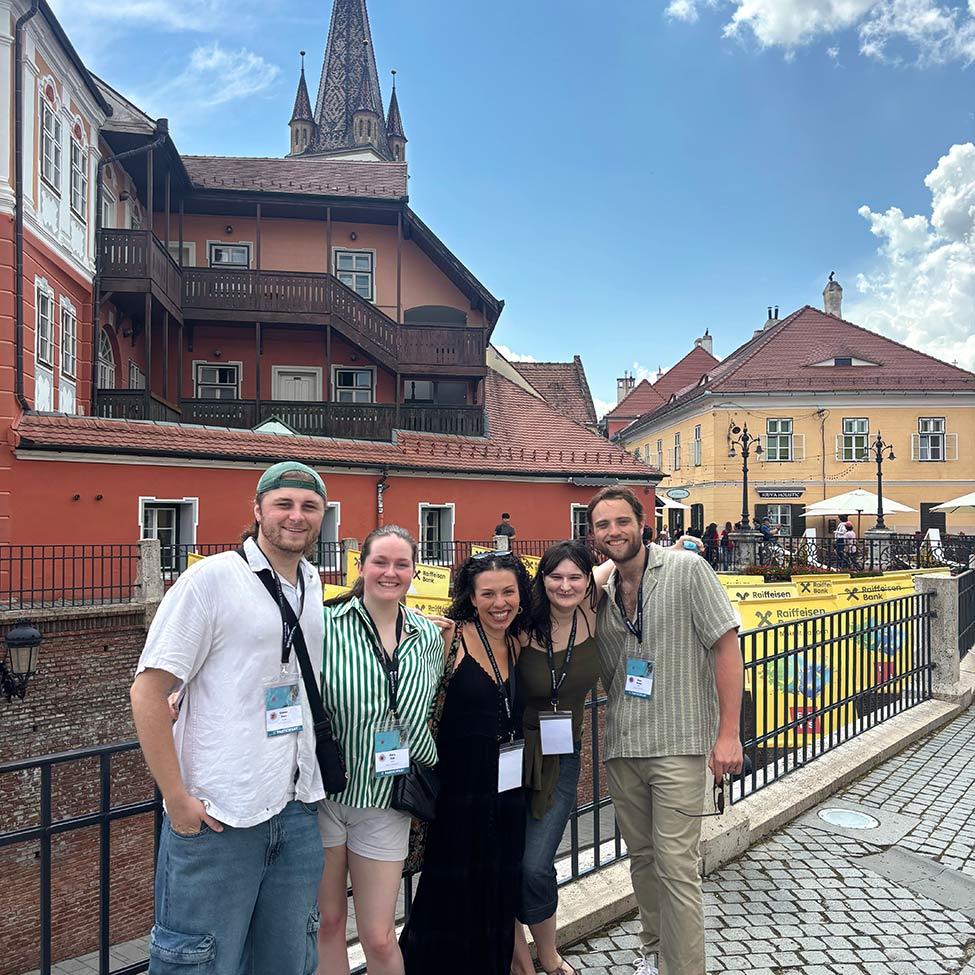
In June, a number of Sands alumni made their mark as part of the Sibiu Festival of Theatre and Cultural Management Universities in Romania, the third-largest theater festival in the world.
The journey began in a Sands College classroom, where Liadin Stewart ’25, Directing, was paired with fellow students Ava Escobado ’25, Acting, and Avery Loving ’25, Acting, in their senior year for the Night of Original Work (NOW), the program’s capstone project, showcasing what they have learned after training in devising original work. Their assignment was to find a short story they loved and adapt it for the stage, and their selection was The Prospectors, written by Karen Russell. With Stewart directing and Escobado and Loving as performers and creators, the rest was (Romanian theater) history.
The show (along with another Sands alumni production, We Men of Science) was performed under the shared title of Eulogies for the Living and brought together prestigious drama and arts management schools, students, and professors from around the world.
Stewart said, “At Pace, I learned what my viewpoint was. It is where I found my voice. Through my directing classes, I learned how to lead a creative team with a cohesive vision. Our directing cohort, which mainly focused on how to direct already existing plays, paired well with our training in devised theater.
International experiences are a key part of the program’s vision on performance making, encouraging students to encounter new artistic practices and perspectives, and this festival was no exception.
Avery Pate ‘25, Acting, another performer and creator in this work, said, “Sibiu was meaningful to me because I got to experience all different styles of work from around the world, and network with other artists who I never would have had the opportunity to meet otherwise.”
Associate Professor and Performance Making Program Head Adrienne Kapstein and Clinical Assistant Professor Ianthe Demos, long-standing Sands faculty in the BFA in Performance Making program, were key players (pun intended) in the alumni’s transition from the classroom to the world stage.

“Adrienne and Ianthe introduced me to devised theater and how to collaborate effectively. They reminded us to stay grounded in truth, to ask questions, and to play,” said Escobado.
Adam Scott ’25, Acting, who worked as a performer and creator in We Men of Science at Sibiu, points to his semester abroad at the Institute of the Arts Barcelona, a requirement in the BFA program, in which students study European-based methods of acting, dance, directing, and other fine art techniques, as an important part of his journey to Romania.
“My four years at Pace taught me how to be an artist and to devise a piece and collaborate. Because of this, [Gannon Ripchik ’25, Acting] and I had the confidence to take this on and do right by the work,” he said.
With all the positive and beneficial outcomes from the Sibiu festival, it is a happy consequence that, what happens in Sibiu, doesn’t necessarily stay in Sibiu. Through these experiences, alumni have been able to continue to develop their work while building connections with artists and performance communities.
Isabel Dirks ’24, Directing, who served as production stage manager for both The Prospectors and We Men of Science, drew from her Pace experience to face any challenges in her independent directing practice.
She said, “Within the IPE program, I directed projects and devised ensemble pieces that were given limited budgets, which encouraged me to creatively problem-solve around logistical constraints. These limitations have strengthened the resourcefulness and adaptability I bring to my stage management work.”
In addition, this fall, Stewart and her fellow student-alumni colleagues Escobado and Loving will be showcasing The Prospectors at the Circle Theatre Festival at the AMT Theatre, with Escobado playing the character of Clara, Loving playing the character of Aubby, and Stewart serving as director.
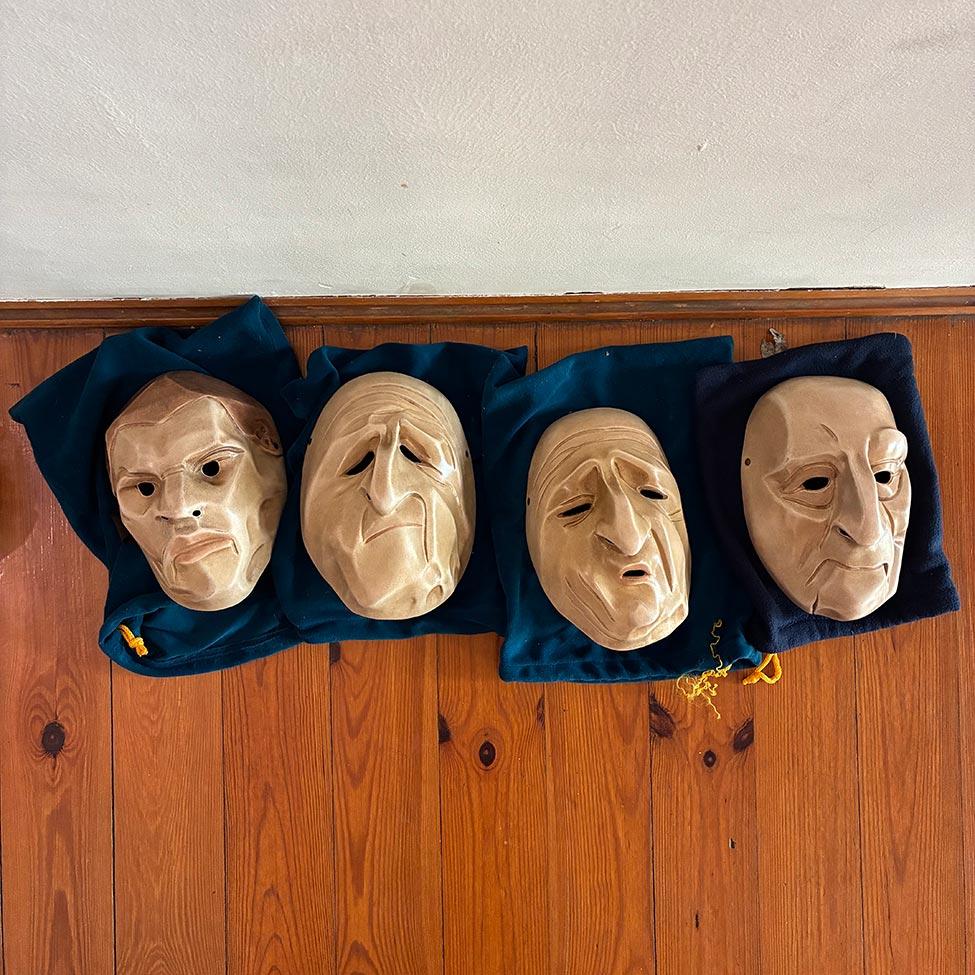
As Sands alumni were performing in Romania, across the Adriatic Sea, and beyond into Europe and Asia, others, including one current student, were making their own footprints.
Sebastian Cromwell ’28, Acting, spent June and July at the Embodied Poetics School in Padua, Italy, deepening his studies of the Lecoq approach, a physical theater methodology developed by Jacques Lecoq, a French actor and movement teacher who revolutionized physical theater by creating a structured pedagogy of theater training centered on mask work, movement analysis, and ensemble creation.
As with many Pace students, Cromwell’s opportunity grew out of a faculty connection. Kapstein, who had trained at the Jacques Lecoq International Theater School in Paris, drew on her own experience and professional network to help open the door.
On this and his education at Sands, Cromwell said, “I don’t think I would have been able to get as much out of my intensive training in Padua, without the exposure and background Pace has given me. Being introduced to many different methods of actor training at Sands, especially physical theater methods, I really felt that I was set up for success when it came to what I studied in Padua.”
While Cromwell was in Italy, Sands alumni Melissa Ingle ’20, Directing, and Layla Izabela ’23, Acting, were expanding their horizons in Scotland and Croatia, respectively.
In August, Ingle served as director of Time Travel Postman, an original one-man show at the Edinburgh Fringe Festival about a character who delivers mail interdimensionally.
Her third time at the festival, Ingle was inspired by her time at Sands and even worked alongside frequent co-collaborator Alex Church-Gonzales ’20, Directing, who did costume design for this production, as well as for Shakespeare Translate, a creation of Ingle’s theater company, Devon Loves ME!” Productions.

She said, “I am fortunate to have studied in a program with a heavy focus on devised theater and the importance of creating my own work. I focused my time not only on studies related to my degree, but also on being a good collaborator and understanding how each department in theater worked together.”
Earlier, in July, Izabela was at work in the Contemporary Performance Practices apprenticeship program in Dubrovnik, one that focuses on devised theater, immersive theater, the Suzuki method (a rigorous physical and vocal discipline to heighten an actor's stage presence, power, and emotional focus), and Viewpoints training (a physical and improvisational technique that deconstructs stage performance).
Another example of Opportunitas at Pace manifesting as faculty sharing their expertise and connections with students beyond the classroom is through the One Year Lease (OYL) professional theater company.
From mid-June to mid-August, in the stunning locations of Varadenahalli Village, India, Lake Nojiri, Japan, and Papingo, Greece, four alumni and one student traveled with OYL’s International Residency Program, of which Clinical Assistant Professor Ianthe Demos serves as founding member and artistic director.
Demos, who is also associate program head for the BFA in Performance Making, sees parallels between her work at OYL and Sands, as, while these roles are separate, both involve looking at theater from an international lens.
She said, “It is always such a gift to work with our [BFA] students in OYL's program. I think [the BFA] prepares them beautifully to engage with the intensity of working with 25 other artists as an ensemble, exploring practices from around the globe. They arrive with a unique skill set under their belt, they are incredible collaborators and are prepared to get on their feet and make work from day one.”
In Greece, Ricardo Delgado ’21, Directing, engaged in performance work that was “process-driven, demanding, collaborative, and fun.”
“This program was an incredible opportunity to reconnect with the craft of theater-making. It was so meaningful to feel this energy again in both my body and mind and I hope to keep alive the fire within me that this training has ignited.”
The experiences of Sands students and alumni on global stages have served to inspire and expand them as artists in their respective disciplines, deepening and broadening their relationship with collaborative performance in an intercultural context.
The result has been not only a widening of the scope of their education, but that of making the world smaller and more interconnected in the process, serving as beacons of light in today’s challenging times.
Explore the careers, skills, experiences, and opportunities that come with studying Women’s and Gender Studies at Pace University in New York City.


At Pace University's Dyson College of Arts and Sciences, earning a bachelor’s degree in Women's and Gender Studies gives you the tools to understand complex social issues, examine how identity and systems shape people's lives, and turn that knowledge into meaningful action. You'll build skills in critical thinking, communication, research, advocacy, and policy analysis while gaining hands-on experience in New York City and beyond. Whether you're interested in law, public policy, nonprofit work, communications, social impact, or adding a second major that strengthens your primary field of study, the program can help you connect your interests to a wide range of academic and career paths.
Have questions about where a Women's and Gender Studies degree can take you? Explore career paths, skills, experiential learning opportunities, graduate school preparation, and what it's like to study the field at Pace University.
A Women's and Gender Studies degree can prepare you for a wide range of careers by developing highly transferable skills in communication, critical thinking, research, problem-solving, leadership, and the analysis of complex social issues. According to the U.S. Bureau of Labor Statistics, the median annual income for graduates with degrees in cultural and gender studies is comparable to that of bachelor's degree holders overall.
Women's and Gender Studies can also be especially valuable as a second or double major, allowing students to apply their perspectives and skills to another field of study. A criminal justice student, for example, might examine gender-based violence and the experiences of survivors, while an economics student might study the gender pay gap or the ways economic policies affect different communities.
Since the field covers topics such as equity, disability, intersectionality, public policy, culture, and social change, a Women's and Gender Studies degree can complement careers in a wide variety of fields. These include law, public policy, education, communications, nonprofit, business, advocacy, and social services. At Pace, the interdisciplinary nature of the program gives students the flexibility to connect these skills and perspectives with their broader academic and career goals.
Many graduates pursue careers in the social impact sector, which aims to create systemic and sustainable change to meet societal and environmental needs. Career opportunities for those who graduate with a BA in Women’s and Gender Studies include:
As a Women’s and Gender Studies major, you’ll develop a wide-ranging set of transferable skills that can prepare you for careers and graduate-level programs, including:
Women’s and Gender Studies can provide strong preparation for law school by developing skills in analytical reading, research, writing, legal and policy analysis, and examining complex issues from multiple perspectives.
Pace graduates have gone on to law school and report that their Women’s and Gender Studies coursework helped prepare them to analyze laws and policies, understand their impact on different communities, and apply concepts such as intersectionality to their work. These perspectives can be especially valuable for students interested in areas such as civil rights, public interest law, social justice, and corporate social responsibility.
Women's and Gender Studies pairs well with a wide range of majors, thanks to its flexible, interdisciplinary skill set. Common options include:
Women’s and Gender Studies examines how race, class, sexuality, gender, and other aspects of identity intersect and shape people’s experiences. Students explore these connections to better understand social issues, systems, and inequalities and to consider approaches that can create meaningful change. Examples of some courses you can take that center on these conversations include:
Explore more courses you can take as part of a Women’s and Gender Studies degree
Through Pace’s Women’s and Gender Studies program, you’ll have the opportunity to participate in a variety of experiential learning opportunities, including:
When you study Women’s and Gender Studies in New York City, you can explore gender, sexuality, identity, social justice, and public policy in one of the world’s most diverse cities.
At Pace University, you can connect what you learn in the classroom with hands-on experiences, civic engagement, advocacy, and global organizations throughout the city.
You’ll also join a university with a strong history of LGBTQA+ advocacy and community. Pace’s LGBTQA+ Center was established with support from the Women’s and Gender Studies department, continuing a legacy that includes program co-founder Karla Jay, a pioneering LGBTQA+ activist who participated in the Stonewall uprising and helped found national LGBTQA+ organizations.
Through Pace’s emphasis on experiential learning and civic engagement, you’ll have opportunities to examine lived experiences, analyze complex social issues, and develop approaches to creating meaningful change.
One of Pace’s most distinctive opportunities is its special consultative status with the United Nations Economic and Social Council (ECOSOC), which can give you insight into the work of the United Nations and nongovernmental organizations. With the UN and countless advocacy, nonprofit, cultural, legal, and public-service organizations nearby, New York City becomes an extension of the classroom.
Discover how a Women’s and Gender Studies degree from Pace University’s Dyson College of Arts and Sciences can help you turn your interests into meaningful academic, professional, and real-world experiences. Explore the program, review the curriculum, and take the next step toward studying in New York City.
On July 19, 2026, one of the most watched events in the world, the 2026 FIFA World Cup Closing Ceremony at MetLife Stadium in East Rutherford, New Jersey, featured fourteen Pace University Commercial Dance alumni.


On July 19, 2026, one of the most watched events in the world, the 2026 FIFA World Cup Closing Ceremony at MetLife Stadium in East Rutherford, New Jersey, featured fourteen Pace University Commercial Dance alumni.
These alumni performed in front of 84,000 fans packed into the stadium while over a billion viewers watched on television around the world.
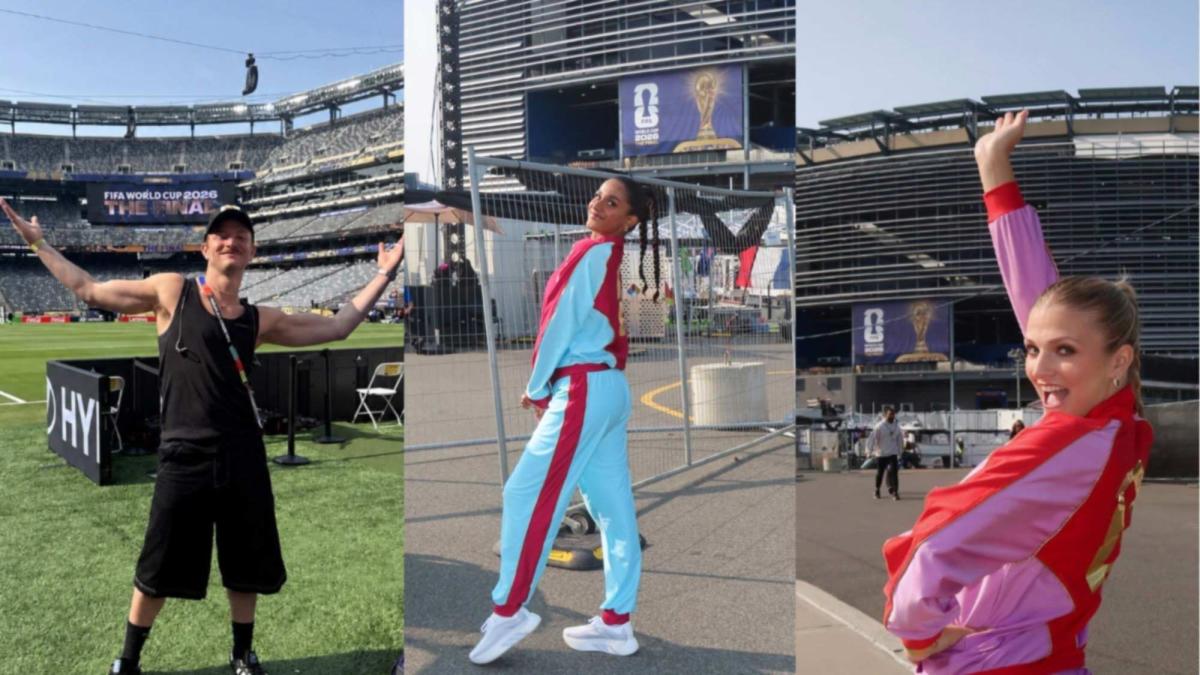
For alumnus Aiden Pressel ’21, it was everything he had hoped for and more. “Performing at the World Cup Closing Ceremony was a dream come true.” He shared. “The highlight of the experience was getting to share the stage with so many Pace Commercial Dance alumni. The energy was truly electric. I’m grateful for the incredible community Pace has given me.”
The importance of the Pace Community was echoed by alumna Svetha Nallapaneni ’23, who described the feeling of walking onto the field as something she could not put into words. “The adrenaline rush before performing and connecting with the other dancers out on the field is an indescribable feeling.” she said. “The people, the place, and the roar of the crowd are engraved in my brain forever.”
Alumna Hadley Koger ’23 found herself trying to soak in every second of the experience. “Walking onto that field and seeing more than 80,000 people in the stands, knowing it was reaching 1.5 billion people around the world, felt surreal.” she reflected. “A World Cup final in New York City will probably only happen once in my lifetime. I just wanted to take everything in and be present.”
From Broadway to the big screen to globally celebrated events like the FIFA World Cup Closing Ceremony, Pace Commercial Dance alumni are taking center stage, collaborating with industry-leading choreographers and captivating audiences around the world. Their success reflects Pace Commercial Dance’s position as one of the nation’s top dance programs, where performing artists like Aiden, Svetha, and Hadley receive the expert training and unparalleled industry access they need to launch their careers and fulfill their dreams.
On Saturday, October 24, 2026, join your fellow Setters at Foley Square for the 36th Annual Susan G. Komen Race for the Cure®, with participants walking across the Brooklyn Bridge. Pace has proudly taken part in the event for 36 consecutive years and continues to show up strong as the largest college team in the fight to end breast cancer.


Join your fellow Setters along with our team captain, Dr. Ellen Mandel Professor Emeritus, in the fight to end breast cancer at the 36th annual Susan G. Komen Race for the Cure on Saturday, October 24, at Foley Square, with participants walking across the iconic Brooklyn Bridge. Pace has maintained a proud tradition of being the largest college/university team. We hope to continue that important distinction. Join us by registering for the Pace team today!
We’re stronger together. United by hope, we can support those who need help today, while fearlessly searching for tomorrow’s cures. Will you join us in this fight?
If you have questions regarding registration, please email Stacie Spitzkoff from Komen Race for the Cure. Additional questions can be directed to Pace’s Public Affairs department.
Please watch the YouTube video below of Dr. Mandel reading a poem she wrote 30 years ago to create awareness about Breast Cancer and to beg for federal funding in Washington, “Walking for the Cure.” This poem was aired during the 30th anniversary of Komen NYC.
Elisabeth Haub School of Law and BCU deepen their partnership through an immersive New York summer school exploring law and social justice.

Long before she arrived at the Elisabeth Haub School of Law, Bianca Hayles ’27 knew she wanted to use the law to create meaningful change in her community.

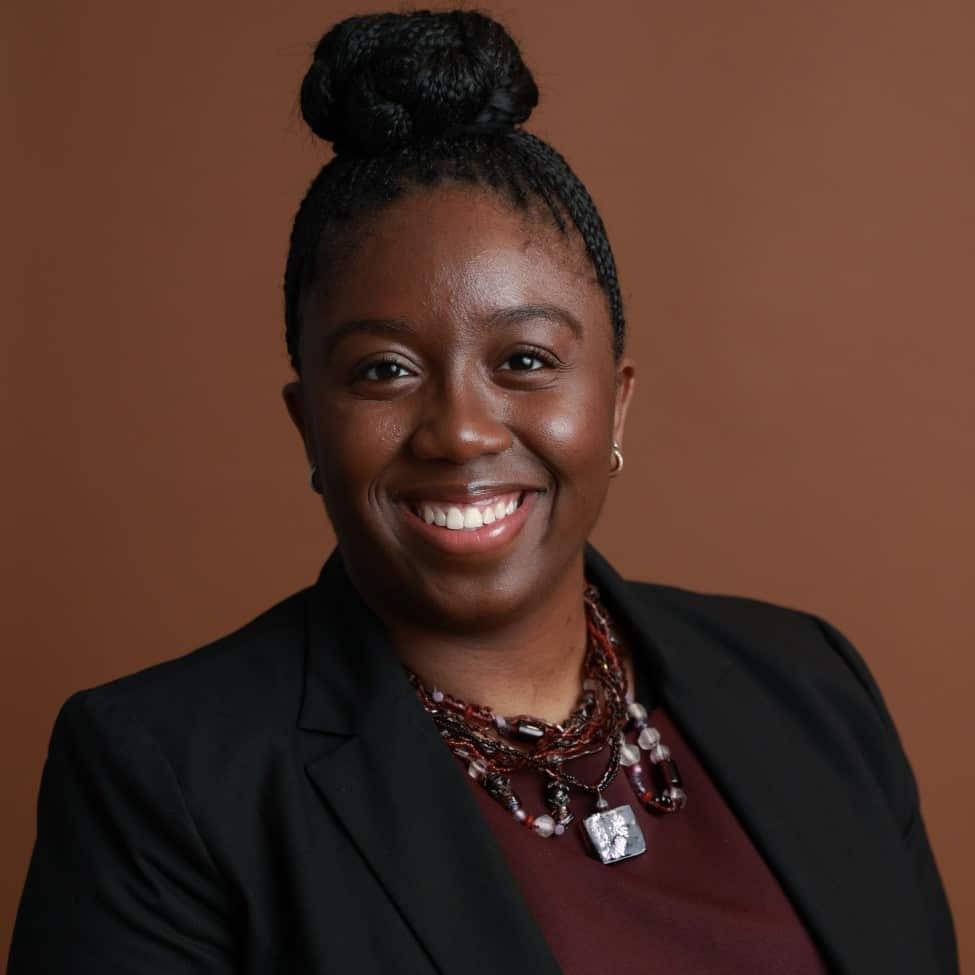
Long before she arrived at the Elisabeth Haub School of Law, Bianca Hayles ’27 knew she wanted to use the law to create meaningful change in her community.
For Bianca Hayles, becoming a lawyer has never been just about building a career—it has always been about creating opportunities for others. As a first-generation college student, she earned her undergraduate degree in Political Science from John Jay College of Criminal Justice before gaining professional experience as a paralegal and Diversity, Equity, and Inclusion (DEI) professional. Now, as a full-time JD candidate at the Elisabeth Haub School of Law, she is building on that foundation with a clear goal: to become a powerful advocate and problem solver for those who need it most. “I want to be an amplifier, advocate, and problem solver within my community—using the law as a tool to create meaningful change,” she shares.
“Growing up in South Jamaica, Queens, alongside my mother and my autistic brother, has shaped my perspective and deepened my commitment to making a positive impact,” Bianca explains. These experiences instilled in her a strong sense of responsibility and passion for justice early on.
As a New York native who hopes to give back to the state where she grew up, and as someone who aspires to be a litigator, Bianca believes there is no better law school for her than Haub Law. “It has a nationally ranked advocacy program and professors who are making significant strides in the fight for access to justice,” she notes. “These reasons, along with the generous financial aid package I received, made Haub Law a perfect choice for me.”
Since starting at the Law School, Bianca has fully embraced both the academic and experiential opportunities available to her. She has gained hands-on experience through internships, externships, and at a private law firm. Reflecting on her journey, she emphasizes the value of exploring different paths within the legal field. “I can confidently say that I have had a rich experiential learning experience, which has allowed me to sharpen my existing skills, develop new ones, and gain clarity about the type of attorney I would like to be.”
I can confidently say that I have had a rich experiential learning experience, which has allowed me to sharpen my existing skills, develop new ones, and gain clarity about the type of attorney I would like to be.
—Bianca Hayles '27
Equally important to Bianca’s experience is the strong sense of community she has found at Haub Law. From faculty and staff to her peers, she describes an environment defined by support, connection, and genuine investment in student success. “There isn’t a day that goes by when I walk the halls of the Law School without feeling the love and support that surrounds me. I feel an overwhelming sense of connection. My peers bring me so much joy, laughter, and camaraderie, while my professors invest their time in getting to know me beyond the classroom. I wouldn’t trade my community here for anything.”
Prior to starting at Haub Law, Bianca participated in the Judicial Institute’s New York Legal Education Opportunity Program, which helps bridge the gap for students who may not have access to mentorship within the legal profession while also introducing foundational concepts for first-year coursework. It was through this program that Bianca found an invaluable mentor in Visiting Assistant Professor Salihah Denman. “Her unwavering support and guidance have been essential as I navigate the challenges of being a first-generation Black law student. I frequently turn to her for advice as I tackle the complexities of this journey,” she shares.
A dedicated student leader, Bianca has served as President of both the Black Law Students Association (BLSA) and the Public Interest Law Student Organization (PILSO), where she has worked to build community and create opportunities for her peers.
Looking ahead, Bianca aspires to become a litigator while also establishing a nonprofit dedicated to supporting vulnerable youth in her community. Grounded in her own experiences and driven by a commitment to service, she is determined not only to succeed, but to uplift others along the way.
“I have been fortunate to receive mentorship and kindness from individuals who recognized my potential, and I believe it’s my duty to give back and invest in the next generation.”
A seasoned nonprofit leader, Anne Sekula ’28 is leveraging the FLEX JD program to pursue a long-held goal—using the law to advance policy, support communities, and create lasting change.

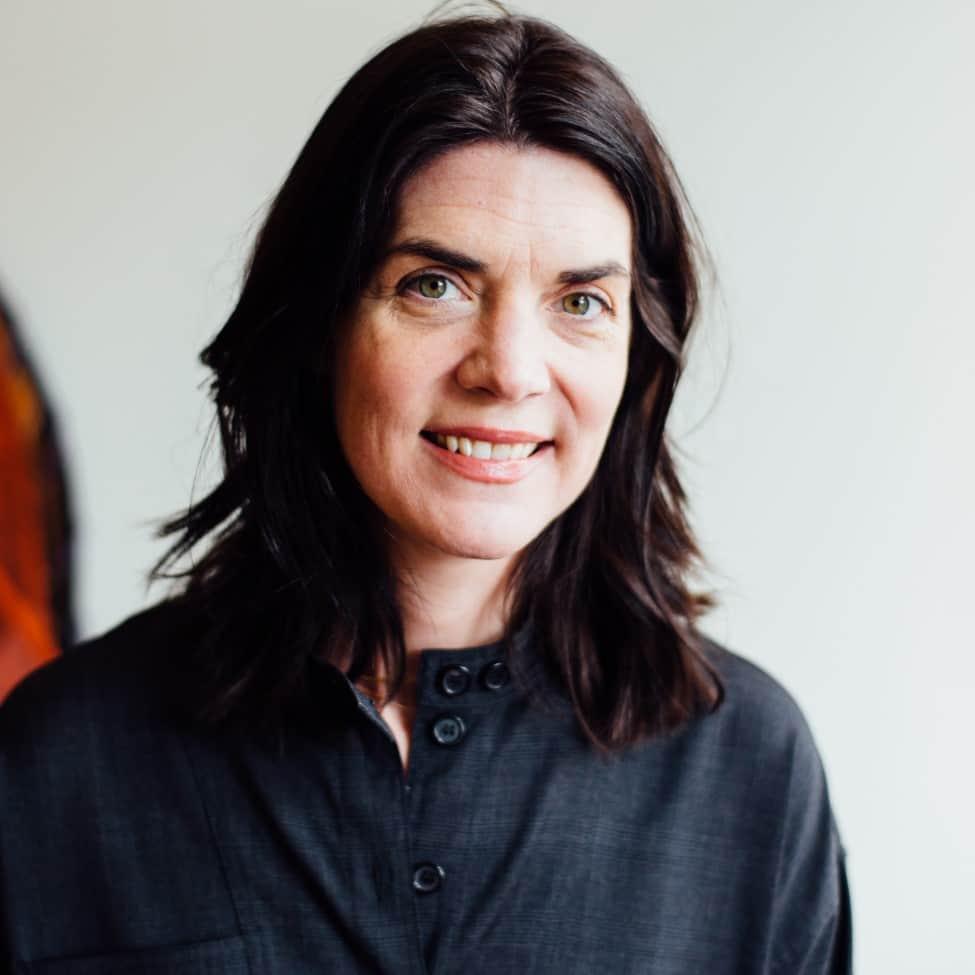
A seasoned nonprofit leader, Anne Sekula ’28 is leveraging the FLEX JD program to pursue a long-held goal—using the law to advance policy, support communities, and create lasting change.
For Anne Sekula, the decision to pursue a law degree was shaped by a lifetime of service, resilience, and a deep commitment to justice. Growing up on a dairy farm in rural Virginia as the youngest of seven girls, Anne was raised in a family that valued education and hard work. While most of her siblings became teachers and her mother put her own career on hold to raise seven children, education remained a priority. “I was always interested in justice, but didn’t think I could afford to attend law school,” Anne reflects.
After college, Anne built a career rooted in service—first as a social worker supporting single mothers and children experiencing homelessness, and later in the nonprofit and philanthropic sectors. She went on to earn a Master’s in Education from Harvard and spent years working on issues ranging from education reform to workforce development and domestic violence. But over time, she found herself wanting to do more.
“I became frustrated advocating for policy and public funding and seeing well-supported, evidence-based efforts fall off legislative and philanthropic agendas,” she explains. “I realized I didn’t have the specific skill set needed to move that work forward.”
A move to New York presented the opportunity for a mid-career transition, and law school became the next step in her journey—one that would allow her to combine policy work with direct client advocacy and gain the legal tools needed to create lasting change. Haub Law’s FLEX JD program made that transition possible. At the time she applied, Anne was balancing a consulting practice, a busy family life, and significant geographic constraints. “I needed a program that gave me flexibility so I could continue working, parenting, and still spend time with my spouse—and sleep,” she says. “The Law School’s FLEX JD program allowed me to choose a mix of day and evening classes that fit my schedule, while still leaving room for family time and volunteer and research opportunities.”
Since enrolling, Anne has found the program both rigorous and manageable. “I’ve been able to take just one fewer class each semester than my full-time peers, while still dedicating about 45 to 60 hours a week to school,” she notes. “In my second and third years, I’ve also been able to limit my time on campus to just a few days a week by combining day and evening classes. Pace has made that process very seamless.”
Beyond the flexibility, Anne has fully embraced the academic and experiential opportunities available at Haub Law. She has participated in the Pace Women’s Justice Center Family Court Legal Program, gaining hands-on courtroom experience while supporting low-income clients navigating complex family law matters. She has also pursued internships aligned with her interests in public interest and reproductive justice law, including work with a law firm and as a policy analyst for a national association of governors.
Anne also joined Pace Law Review during her 2L year and will serve as Editor-in-Chief in her final year, an achievement she sees as especially meaningful for part-time students. “We are committed to making Law Review flexible enough to accommodate part-time students so they also have the opportunity to pursue scholarly work within a busy schedule,” she says.
In the classroom, Anne has found inspiration in faculty who bring real-world experience into their teaching. She notes that Professor Jessica Miles has been a particularly impactful mentor. “She had a long-term practice in family and domestic violence law and is writing the casebook on domestic violence now. Learning directly from her has been amazing.” Equally important has been the sense of community she has found among her peers, particularly through organizations like the Public Interest Law Students Organization and Older Wiser Law Students. For Anne, these connections reinforce a shared commitment to practical, community-centered lawyering.
Looking ahead, Anne hopes to build a career in reproductive justice, combining policy development with litigation to support individuals, physicians, and organizations working to ensure access to care. “I hope to become involved in litigation supporting efforts to provide safe and accessible reproductive healthcare,” she says. At the same time, she remains deeply committed to public interest work more broadly, including supporting survivors of domestic violence through organizations like the Pace Women’s Justice Center.
Reflecting on her journey, Anne offers simple but powerful advice: “You don’t need to wait 25 years to return to law school—but it’s never too late. And don’t shortcut the work. Read the cases, brief them, and build your understanding step by step.”
For Anne, the FLEX JD program has made it possible to pursue a long-held goal while continuing to balance the many roles that define her life. In doing so, she is not only building a new career, but expanding the ways she can make a lasting impact.