Image
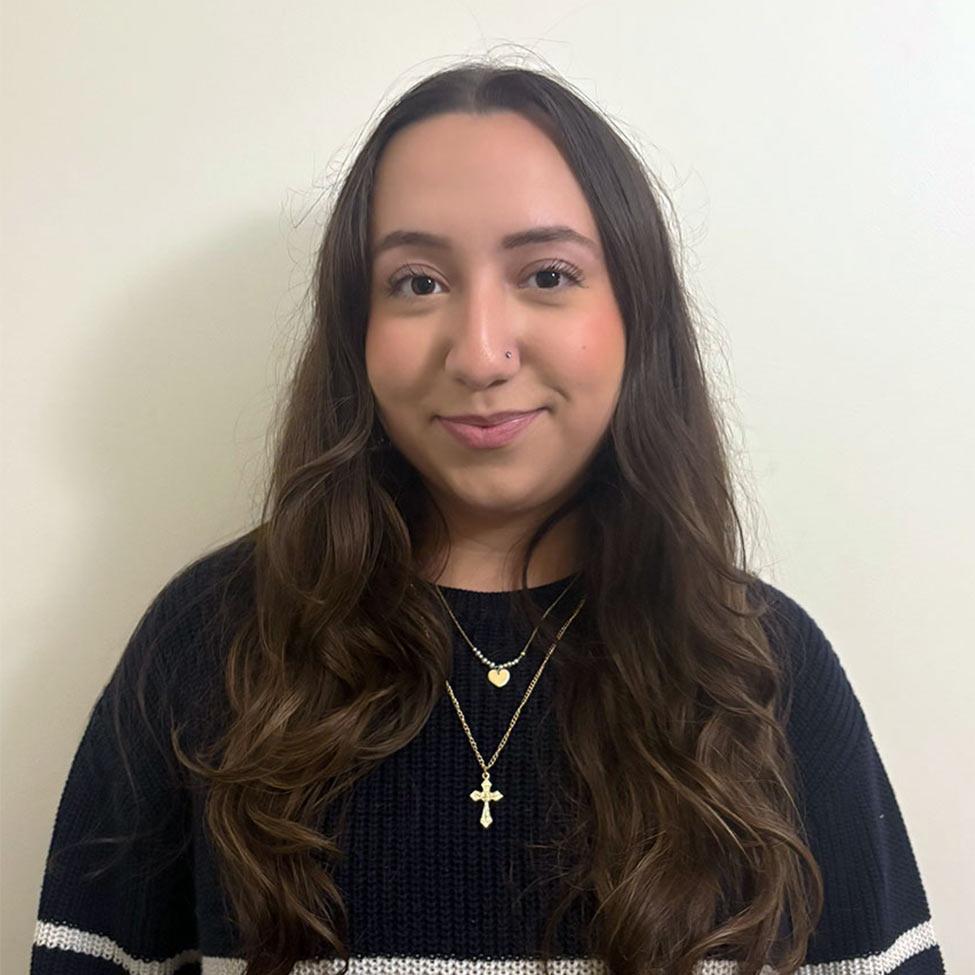
Class of 2028
BA in Psychology
I chose psychology as a major because I’ve always been interested in learning about the way our brains work and how our experiences and biology can influence how we develop as individuals.
Pace’s Honors College, with its many opportunities, was a large factor in my decision, and both the program and its faculty have made me feel very supported and at home here at Pace. In addition, ever since I was little, I had always dreamed of living in New York City. Originally from Long Island, by attending Pace, I was eager to experience living in a new place that was exciting, and yet not too far from home.
As part of Professor Hassinger-Das’s Science of Development lab, I conduct research with my fellow students to better understand the way children learn and develop, including the underlying factors that may affect that. This fall semester, we will be conducting research at the Staten Island Children’s Museum, helping to run the toy play study with children ranging in age from 18-36 months. I think the work we are doing is very meaningful, especially in today’s ever-changing world with all its challenges. Professor Hassinger-Das has been an absolute pleasure to work with, and I look forward to continuing to learn from her.
I conduct research with my fellow students to better understand the way children learn and develop, including the underlying factors that may affect that. I think the work we are doing is very meaningful, especially in today’s ever-changing world with all its challenges.
My experiences so far as a sophomore in the Psychology department have been very positive, as there is a lot of support for students. For example, the Counseling Center posts job and internship opportunities for students to consider, as well as information on classes offered that might be of interest—it is all very helpful.
I am currently involved in the Psi Chi/Psychology club as the vice president. This has been an incredible opportunity for me to gain leadership experience and build upon my knowledge of psychology, but also to be introduced to so many amazing people that share similar interests.
Upon graduating Pace, I hope to attend graduate school or another program that will lead me in the direction of working in school psychology or with children in therapy.
Get involved and put yourself out there. It can lead you to some amazing experiences that you would otherwise never have had.

For Thomas Scopino ’27, a master's student in Environmental Science and Policy at Pace University's Dyson College of Arts and Sciences, an internship with the New York Public Library offered an unexpected opportunity to explore how environmental policy, energy efficiency, and urban sustainability intersect across New York City.

Through Pace University’s unique relationship with the United Nations, students are taking their education beyond the classroom and onto the global stage, advocating for human rights, engaging with international leaders, and gaining firsthand experience in shaping conversations that can change the world.

How much freedom are we willing to sacrifice in the name of security? As facial recognition and AI-powered surveillance expand worldwide, Political Science Professor and Chair Amy Freedman, PhD, examines what the rise of digital monitoring in Southeast Asia reveals about democracy, individual rights, and the growing power of governments to watch and control their citizens.